


News
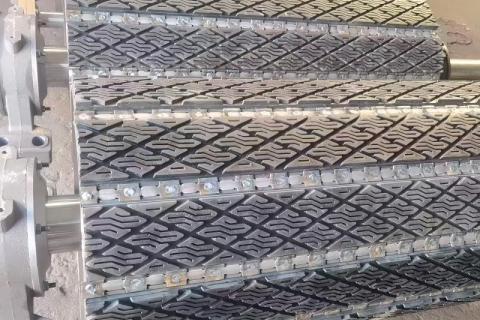
This article discusses the important role of heavy-duty steel conveyor rollers in stone crushing lines, including material transport, reducing equipment wear, and improving production efficiency. It outlines key performance requirements: wear resistance, compression resistance, corrosion resistance, and high-temperature resistance. It also highlights the advantages of high-quality materials and customization services, noting that suitable rollers ensure stable, efficient operation and lower maintenance costs.
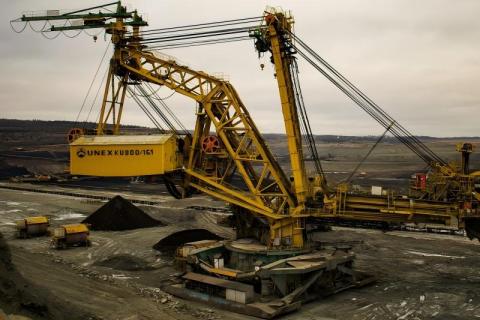
This article introduces how to select suitable conveyor belts for harsh coal mine environments. It analyzes key challenges like heavy loads, humidity, coal dust, high temperatures and fire risks. Major selection factors include abrasion resistance, fire resistance, anti-static performance and load capacity. It compares rubber and steel cord belts, and recommends high-strength, wear-resistant and flame-retardant products. Choosing proper belts improves safety, stability and efficiency in coal transportation.
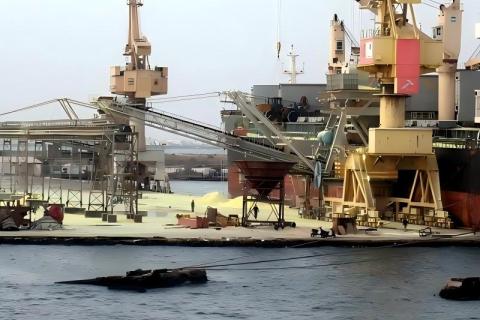
This article explains how to choose herringbone conveyor belt cleat heights for inclined conveying. 5–8 mm cleats suit 0–18° for dry, small materials; 10–15 mm fits 18–30° for medium ores; 15–25 mm works for 30–40° steep or wet materials. Selection depends on angle, material, moisture, and load. We provide custom belts for stable, efficient conveying.
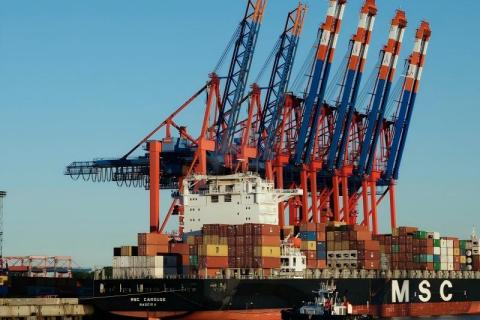
This article analyzes performance differences of bucket elevator conveyor belts across industries. These belts bear material weight, cyclic tension, and bolt stress. Key requirements include high tensile strength, tear resistance, wear resistance, and structural stability. Our steel cord belts feature low elongation and high strength, with customization available.
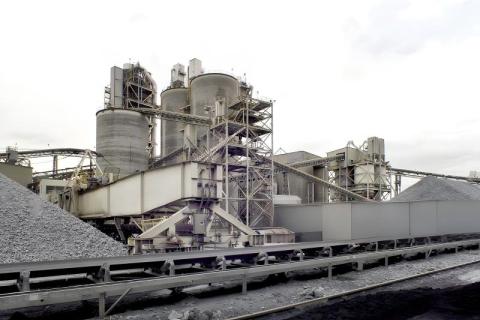
Wear-resistant nylon conveyor belts are ideal for cement plants handling limestone, clinker and powder under heavy, continuous operation. They offer high impact resistance, excellent wear resistance and stable performance. With a nylon core and wear-resistant covers, they reduce tearing and delamination. Our high abrasion resistant conveyor belt meets DIN standards and supports customization, improving reliability and reducing maintenance costs.
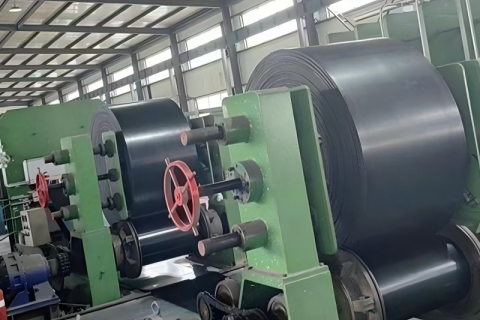
This article discusses how heat resistant conveyor belting cuts maintenance costs in high-temperature mining. High temperatures cause rubber aging, interlayer delamination, and shortened splice life, leading to frequent belt failures, shutdowns, and rising maintenance costs. Multi-ply heat resistant belting, with its even tension distribution and heat-resistant cover, slows thermal aging, reduces deformation and delamination, and extends service life. Proper selection (matching temperature, tension, and conditions) and customization are key, as they lower unexpected shutdowns and total operational costs despite a possibly higher initial investment.
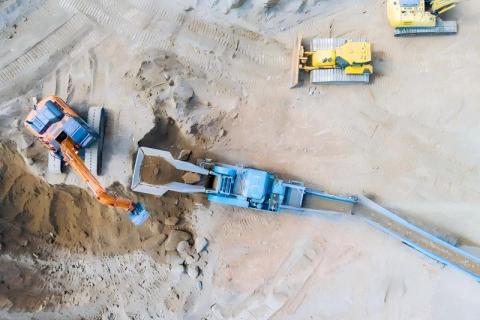
This article compares steel cord rubber conveyor belts and fabric conveyor belts, focusing on structure, performance, and applications. Steel cord belts feature high-tensile steel cords, offering high strength, low elongation, and suitability for long-distance, heavy-duty, high-tension systems. Fabric belts use multi-layer textile plies, providing better flexibility and lower cost for short-to-medium distance, standard conveying. Key differences cover strength, flexibility, cost, and application scenarios. Selection should depend on conveying distance, tension, material, workload, and budget. Both can be customized with various cover properties, and professional, unbiased technical support is recommended for optimal project choices.
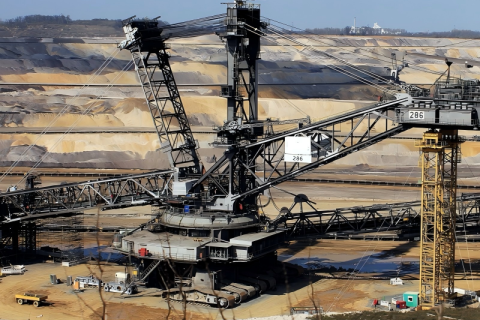
This article highlights the top 10 common mistakes in selecting conveyor belts for mining, including improper material choice, ignoring fire-resistant standards, mismatched belt components, and overlooking environmental factors. It emphasizes the importance of selecting belts based on operating conditions, total life-cycle costs, and proper maintenance to ensure efficiency, safety, and long-term performance.
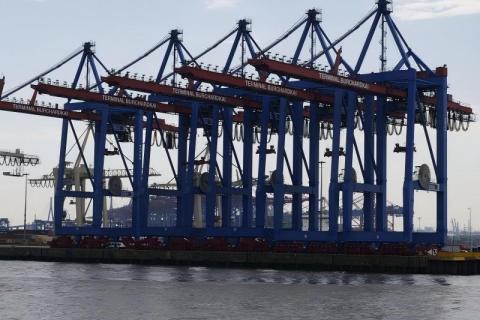
Herringbone pattern conveyor belts are essential for material transportation in mining, ports, chemicals, power generation and other industries, being a top pick for heavy-duty, high-intensity working conditions. Their key strengths include a herringbone surface for superior slip resistance (minimizing material spillage, ideal for inclined transport), a reinforced high-strength framework for heavy load bearing, and rubber-composite construction for excellent durability, abrasion and corrosion resistance, which extends service life and cuts maintenance costs in harsh environments. Widely applied in mining, port and bulk cargo terminals, as well as heavy industries like construction, steel and power generation, they ensure stable, efficient and uninterrupted material handling. Liaoning Hengyi Rubber Machine Belt Manufacturing Co., Ltd. supplies high-quality standard and custom herringbone conveyor belts tailored to specific working conditions, and welcomes inquiries for its reliable products.
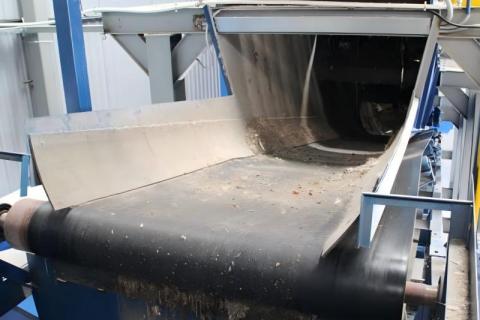
Heavy-duty logistics systems often choose Nylon conveyor belts for their strength, flexibility, and reliability under high loads and continuous operation. With good impact resistance and fatigue performance, they ensure stable conveying, fewer failures, and lower long-term operating costs.