

How Can Heat Resistant Conveyor Belting Reduce Maintenance Costs in High-Temperature Mining Applications?
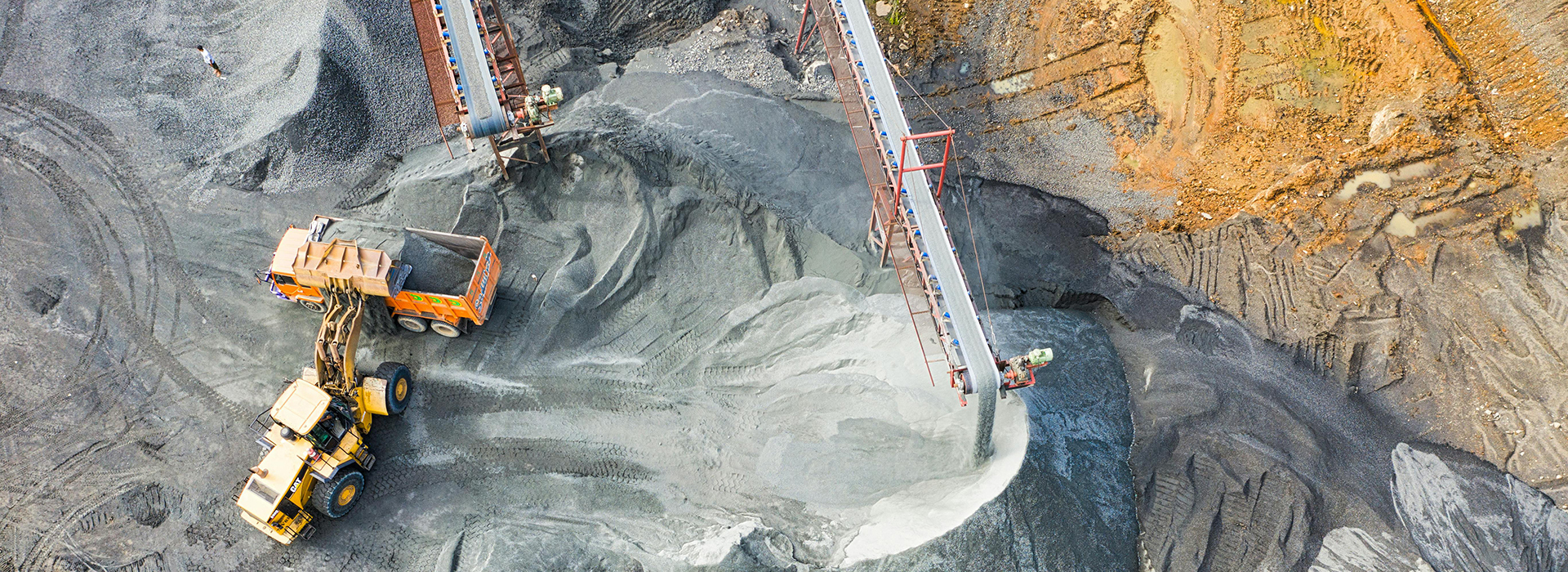
2026-02-25 09:36In mining operations, conveyor systems usually run continuously. When a belt stops unexpectedly, production output drops immediately, and upstream or downstream equipment may also be forced to shut down.
This risk becomes even greater when conveying high-temperature materials such as hot ore, sintered ore, or slag. Under these conditions, the thermal load on the belt is far beyond normal working environments, and maintenance costs can rise quickly.
In many real-world projects, frequent maintenance is not caused by poor product quality. More often, it comes from improper belt selection during the early design stage—especially when the impact of heat on belt structure was underestimated. Understanding how heat affects conveyor belting is the first step toward reducing long-term maintenance costs.
Why Does High Temperature Increase Maintenance Frequency?
In high-temperature mining environments, conveyor belts face several additional stresses.
1. Thermal aging of the cover rubber.
Rubber exposed to elevated temperatures for long periods tends to harden, crack, and lose elasticity. Once the cover layer becomes less flexible, its impact resistance drops. Small surface cracks can quickly expand, leading to premature failure.
2. Reduced interlayer adhesion.
Heat accelerates rubber aging and weakens the bonding strength between layers in multi-ply structures. This may result in separation, blistering, or delamination.
At the same time, the fabric carcass can also experience performance changes under prolonged heat exposure. When mechanical tension and thermal stress combine, the overall structural stability of the belt may decline.
3. Shortened splice life.
Splice areas are naturally stress concentration zones. In high-temperature environments, they are more vulnerable to fatigue and early damage, which increases replacement frequency.
How Multi-Ply Heat Resistant Conveyor Belting Reduces Maintenance Costs?
In high-temperature mining systems, the goal is not simply to use a thicker belt. Structural design plays a much more important role.
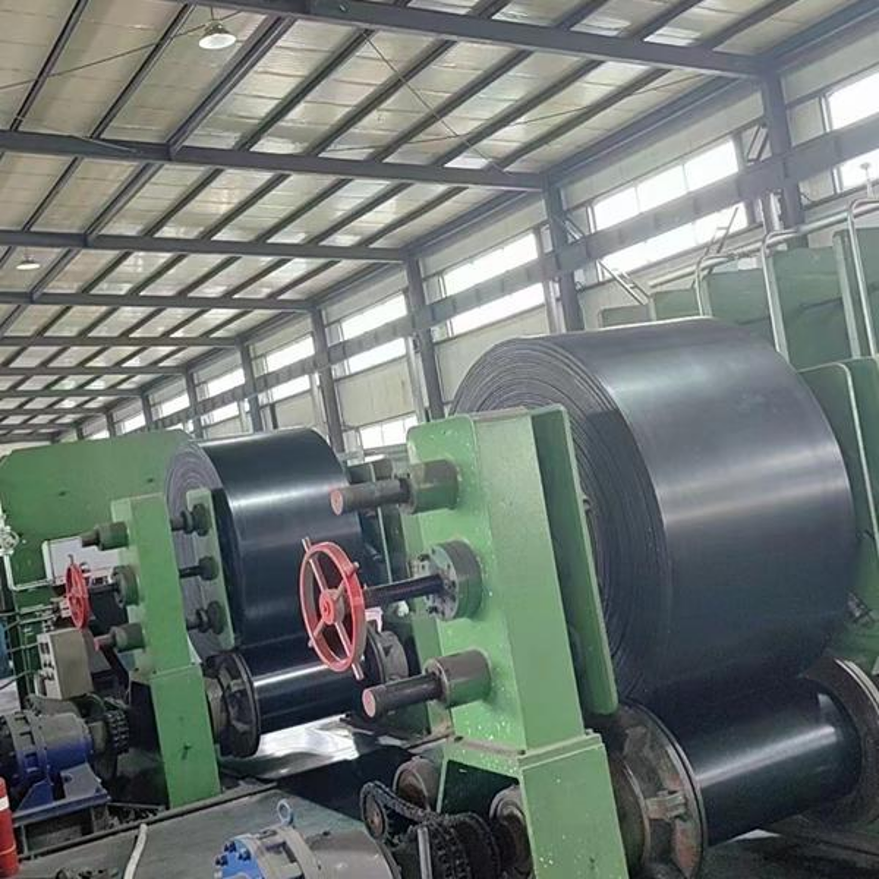
Our Heat Resistant Conveyor Belting is built with a multi-ply fabric carcass. This construction helps distribute operating tension evenly across layers, improving overall structural stability. In high-temperature conditions, the multi-layer design helps maintain belt shape, reducing deformation and localized fatigue.
The heat-resistant cover compound is formulated to slow down thermal aging. Within its designed temperature range, the rubber maintains necessary flexibility and impact resistance. Compared with standard belts, Heat Resistant Conveyor Belting performs more consistently under repeated heat cycles.
By improving structural stability and reducing delamination risk, the belt replacement cycle can be extended. Fewer failures mean fewer shutdowns, lower labor costs, and reduced maintenance intervention.
Proper Selection Is the Key to Lower Maintenance Costs.
Choosing a “heat-resistant” belt alone is not enough. What truly affects maintenance costs is whether the belt specification matches the actual working conditions.
Clearly distinguish between continuous operating temperature and peak (instantaneous) material temperature. Avoid selecting only based on the highest temperature value.
Design the correct number of plies according to conveyor length and tension requirements to ensure adequate carcass strength.
If there is heavy impact at loading points, consider additional impact protection or localized reinforcement.
When materials are both hot and abrasive, balance heat resistance with wear resistance rather than focusing on one property alone.
Accurate matching between belt construction and site conditions is essential for long-term stability.
Looking at Cost from a Long-Term Operational Perspective.
In mining operations, downtime is often far more expensive than the belt itself. Frequent replacements increase labor expenses and disrupt production planning.
While properly specified Heat Resistant Conveyor Belting may involve a higher initial investment, it can significantly reduce unexpected shutdowns and extend service intervals. When evaluated from a total cost of ownership perspective, this often results in lower overall operating expenses.
The Importance of Customization.
Every mining project has different conveyor lengths, belt widths, tension levels, and material characteristics. Our Heat Resistant Conveyor Belting can be customized in width, length, and ply construction to match specific application requirements.
Production can comply with DIN, ISO, or GB standards to meet the technical requirements of different international markets.