


News
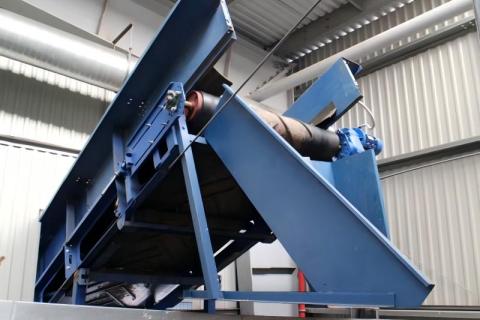
In mining, power, and cement industries, many safety risks come from unnoticed conveyor belt aging. As materials weaken over time, an aging Rubber Belt can cause breakage, slippage, fire hazards, and higher maintenance risks.
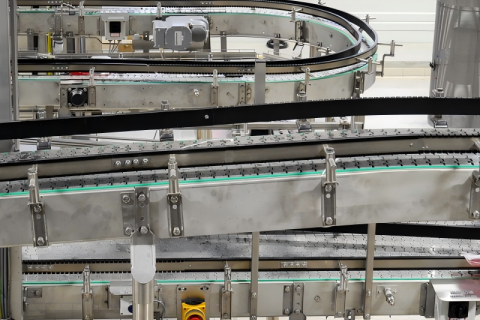
Fire-resistant conveyor belts reduce fire risks by resisting ignition, self-extinguishing, and limiting flame spread under high-load conditions. They help control heat buildup, friction, and external ignition risks, buying critical response time in mining, power, and heavy industries.
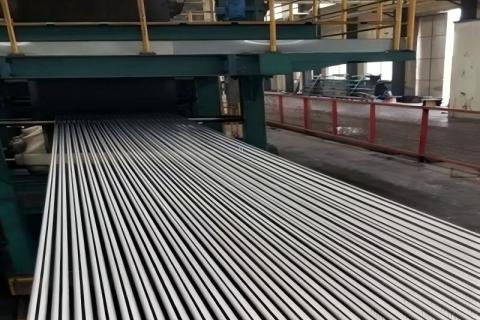
Steel cord conveyor belts feature a high-strength steel core that delivers superior load capacity, durability, and stable long-distance performance. Easy to install and maintain, they offer excellent wear, heat, and corrosion resistance, making them ideal for heavy-duty industries like mining and steel.

This article outlines key maintenance practices for mining conveyor rollers, covering common wear issues, daily inspection and lubrication routines, and methods to extend roller lifespan through proper load control, environmental protection, and precision manufacturing.
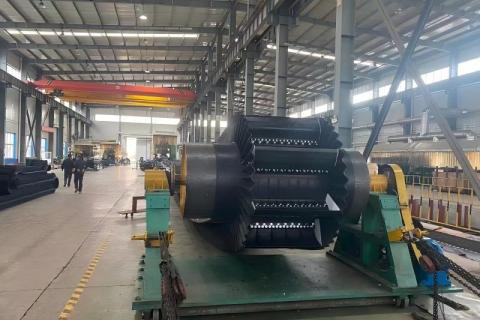
Conveyor belt misalignment is a prevalent issue in mining, ports, and other industrial sites, causing wear, spillage and safety hazards, with blind adjustments often failing to resolve it. Root causes include uneven tension, faulty installations, off-center loading, material buildup, belt wear or poor splices. This guide details targeted fixes: balance tension, realign pulleys, adjust idler frames, clean buildup, optimize loading, and inspect belts/splices. Splice quality impacts tracking, too. Systematic diagnosis of belt behavior and key components resolves most on-site misalignment issues, ensuring safe, efficient conveyor operation.
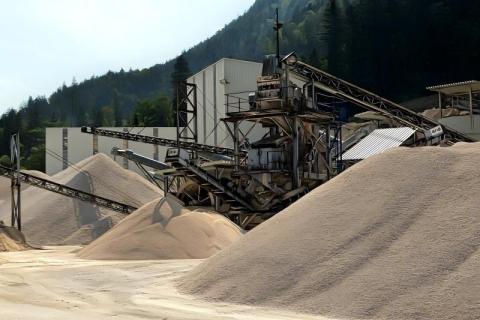
This article explains why Herringbone Rubber Belts are increasingly used in the aggregates industry. It highlights their anti-slip design, suitability for steep inclines, heavy-duty durability, lower lifecycle costs, typical applications, and the value of customized engineering solutions.
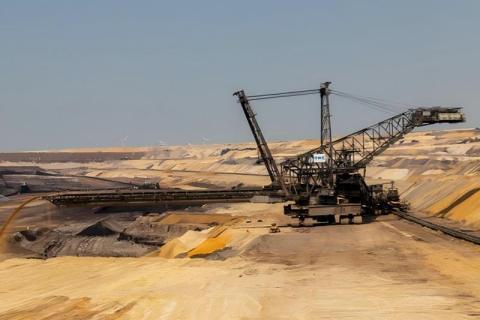
This article explains when and why to choose a round dimple anti-slip conveyor belt. It covers incline performance, material suitability, maintenance, cleaning, durability, common buying mistakes, and compares round dimple belts with flat belts to guide practical selection.
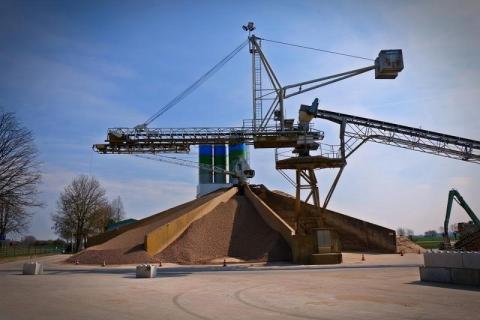
Most conveyor belt breaks aren’t caused by poor belt quality but by operating conditions and maintenance issues. Sharp material impact, hard starts, jams, misalignment, and neglected splices or idlers accelerate wear. Prevention depends on proper protection, monitoring, and standardized operation.
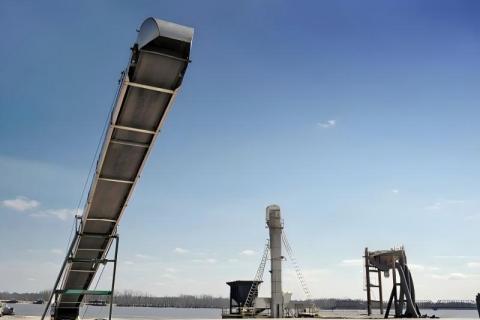
Choosing the right conveyor belt impacts efficiency and cost. Steel cord belts suit long-distance, high-tension conveying, while nylon fabric belts offer flexibility, wear resistance, and easy maintenance for complex systems.
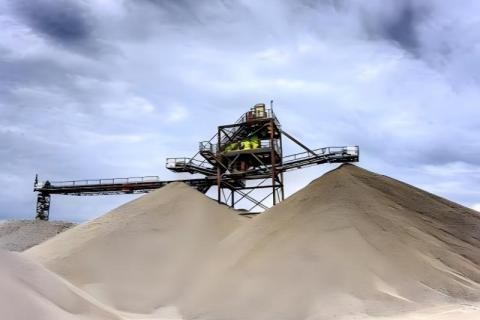
Heat Resistant Conveyor Belts enable safe, efficient material handling across heavy industries, including mining, steel, cement, power, and ports, with high durability, wear resistance, and stable performance.