


How Fire-Resistant Conveyor Belts Reduce Fire Risks in High-Risk Operating Conditions
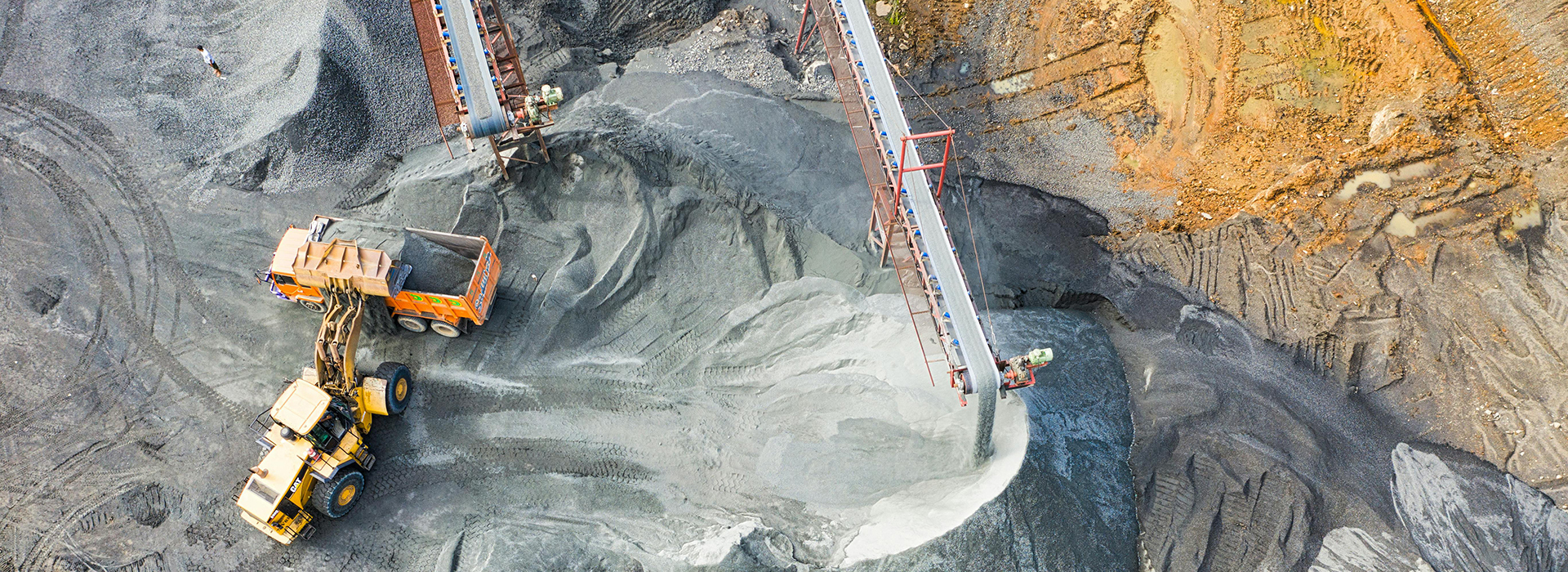
2026-02-07 10:29In industries such as coal mining, power generation, metallurgy, and cement production, conveyor systems often run under high loads and continuous operation. When localized overheating, belt slippage, or material buildup occurs, the risk of fire increases significantly.
In these situations, a fire-resistant conveyor belt becomes the first line of defense to prevent flames from spreading along the conveyor line.
Compared with standard belts, a properly designed Abrasion resistant conveyor belt helps limit fire propagation and reduces the overall impact of unexpected incidents.
Where Do Fire Risks Usually Come From in High-Risk Conditions?
Fire hazards in conveyor systems are rarely caused by a single factor. In most cases, they result from a combination of operating conditions:
Pulley slippage and heat buildup:
During start-up, braking, or overload conditions, belt slippage can generate intense localized heat. Conventional conveyor belts can ignite quickly under these conditions.
Material accumulation and increased friction:
In coal handling, powder transport, or high-friction material conveying, accumulated material increases friction and may become an ignition source.
External ignition sources and static electricity:
Welding work, electrical faults, or static discharge can all trigger fires, especially in dusty environments.
If these risks occur while the belt material itself is highly flammable, fire can spread rapidly along the conveyor system, greatly expanding the scope of damage.
What Does “Fire-Resistant” Really Mean?
During belt selection, many buyers simply equate “fire-resistant” with “heat-resistant.”
From an engineering safety perspective, true fire resistance focuses on three key capabilities:
Harder to ignite: Reduced ignition risk during short-term exposure to high temperatures or open flames.
Self-extinguishing behavior: The belt stops burning once the ignition source is removed.
Fire spread control: Prevents flames from traveling along the conveyor line and escalating system-wide risks.
This is why fire-resistant belts are designed not only for daily operation, but for abnormal and emergency conditions as well.
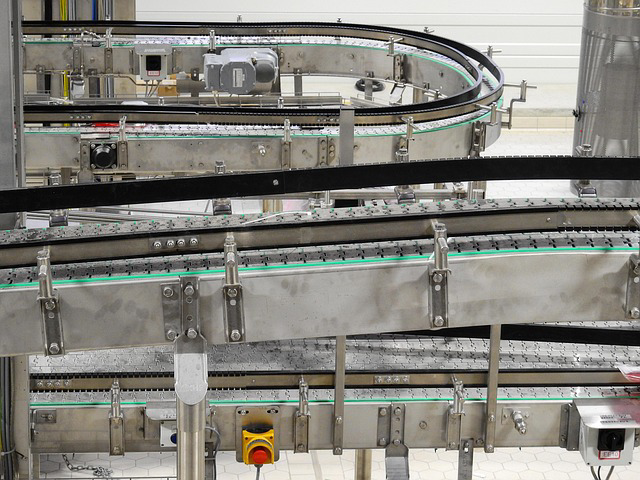
How Fire-Resistant Conveyor Belts Reduce Fire Risk in Real Operation.
From a structural and application standpoint, fire-resistant conveyor belts work in several practical ways:
Fire-resistant materials and belt structure:
By combining appropriate cover compounds with reinforced carcass structures, the belt is designed not to support combustion under high temperature or flame exposure. This is especially critical in underground or enclosed environments.
Stable belt performance to reduce abnormal friction:
Consistent belt construction helps minimize belt misalignment, uneven stress, and localized wear, reducing the chances of abnormal heat generation during heavy-duty operation.
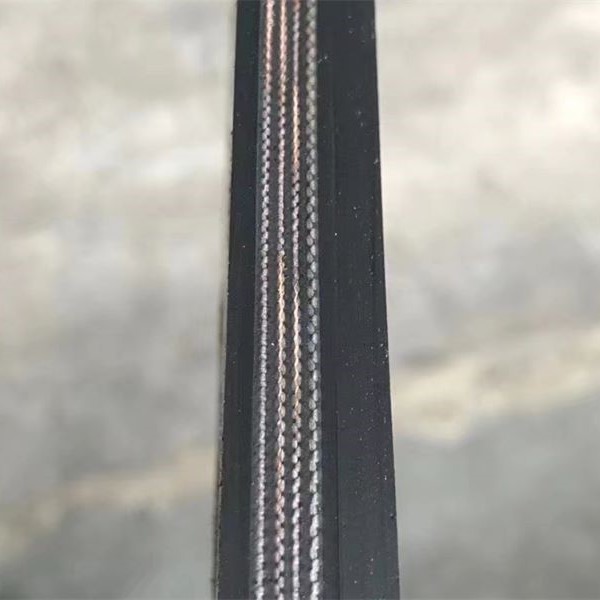
In many applications, an Abrasion resistant conveyor belt also helps maintain stable performance when handling abrasive materials.
Buying time for emergency response:
In real-world incidents, the most dangerous factor is often not ignition itself, but how fast the fire spreads. Fire-resistant belts slow this process, giving operators valuable time to stop the system and respond safely.