


Difference Between Steel Cord Rubber Conveyor Belt and Fabric Conveyor Belt
2026-02-24 16:20In mining, ports, power plants, cement plants, and bulk material handling systems, conveyor belts do more than just move materials. They directly affect system stability, operating efficiency, and long-term costs.
Two of the most commonly used types on the market are the steel cord rubber conveyor belt and the fabric conveyor belt. During the selection stage, many project managers and engineers face the same question: what exactly is the difference between these two designs, and which one fits a specific application better?
To answer that properly, we need to look at their structure and performance logic rather than simply deciding which one is “better.”
Structural Differences at the Core.
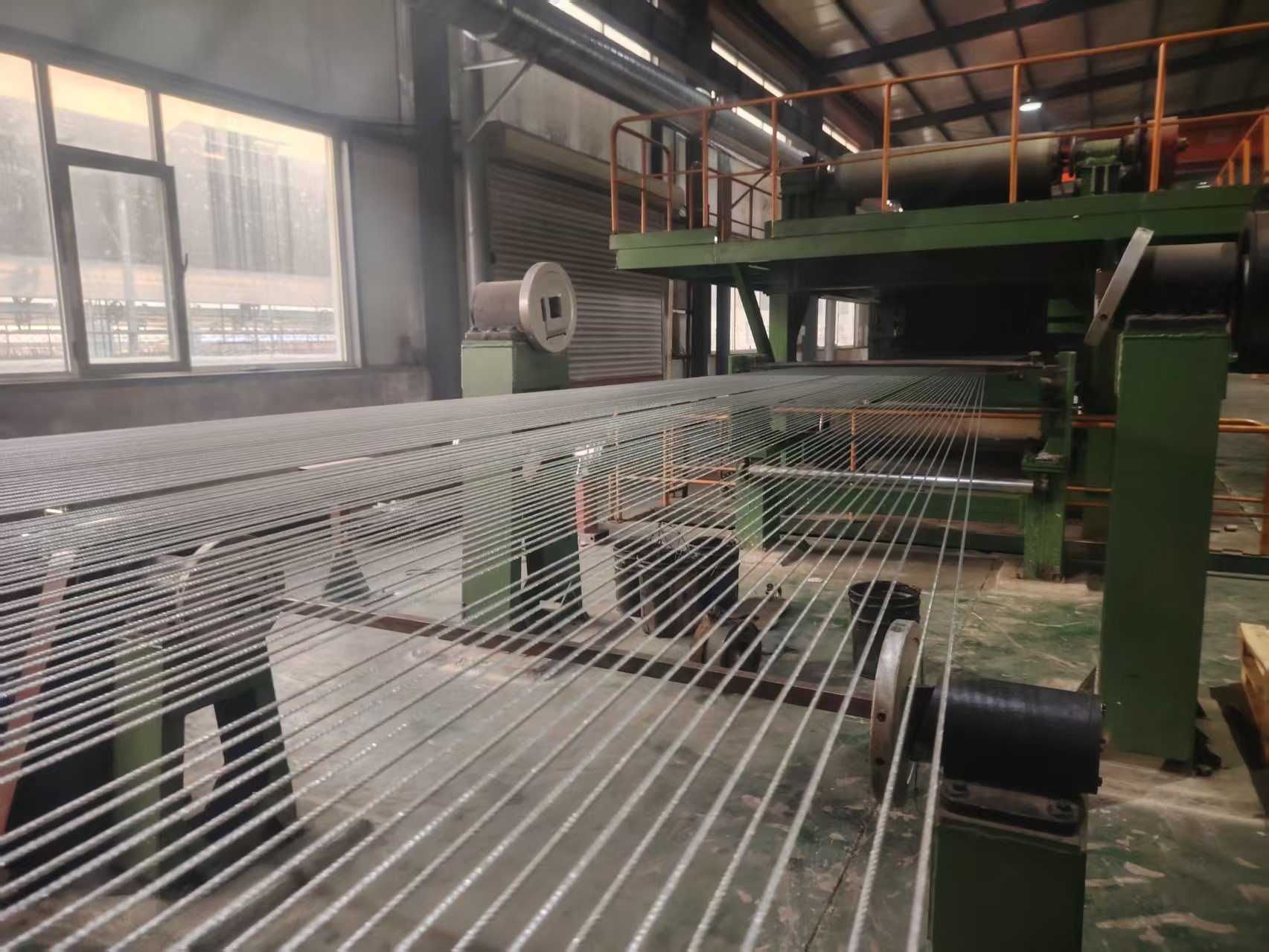
A steel cord rubber conveyor belt uses longitudinally arranged high-tensile steel cords as its reinforcement. These steel cords are evenly embedded in rubber and protected by top and bottom cover compounds. Because the strength comes primarily from the steel cords themselves, this design delivers very high tensile strength and low elongation, making it suitable for high-tension conveying systems.
A fabric conveyor belt, on the other hand, uses multiple layers of textile plies (commonly EP or NN). The overall strength is achieved by stacking these plies together. Compared to steel cord construction, fabric belts are generally more flexible and structurally simpler.
The structural difference is what ultimately determines their performance focus and ideal application range.
Key Performance Comparison.
From an engineering and project selection perspective, the main differences can be summarized below:
| Comparison Item | Steel Cord Rubber Conveyor Belt | Fabric Conveyor Belt |
| Reinforcement Structure | Longitudinal steel cords | Multi-layer textile plies |
| Tensile Strength | Very high, suitable for high-tension systems | Medium to high, suitable for standard conveying |
| Elongation | Low, stable operation | Relatively higher |
| Suitable Distance | Long-distance, large elevation systems | Short to medium distances |
| Impact Resistance | Excellent for heavy-duty materials | Good |
| Flexibility | Lower compared to fabric | Better flexibility |
| Initial Investment | Relatively higher | Relatively lower |
| Customization | Can be customized for different conditions | Can be customized for different conditions |
As shown above, the difference is not about superiority, but about matching the belt design to the actual working conditions.
Typical Application Scenarios.
When a Steel Cord Rubber Conveyor Belt Is More Suitable.
A steel cord rubber conveyor belt is typically preferred when:
The conveying distance is long and system tension is high.
The throughput is large and continuous operation is required.
There is a significant elevation difference.
Downtime would result in high operational losses.
In large-scale mining mainline systems, steel cord rubber conveyor belt solutions are often used as the primary transport component. Their low elongation helps reduce take-up travel and maintain system stability over long operating cycles.
When a Fabric Conveyor Belt Is More Suitable.
Fabric conveyor belts are often a practical choice when:
The conveying distance is short to medium.
The load is moderate or materials are less demanding.
The system layout requires higher flexibility.
Budget control is a major consideration.
Thanks to their flexibility, fabric belts perform well in systems with multiple pulleys, tighter curves, or retrofit projects.
How to Make the Right Selection.
In real-world projects, the decision should be based on measurable operating parameters rather than assumptions. Key factors include:
Total conveying distance and maximum working tension.
Material size and impact level.
Elevation changes within the system.
Expected operating hours and continuity requirements.
Budget and total lifecycle cost.
There is rarely a one-size-fits-all solution. The right choice depends on how well the belt structure matches the system design and operational demands.
Customization and Application Support.
Both steel cord rubber conveyor belt and fabric conveyor belt designs can be engineered for specific working conditions. Cover compounds can be adjusted for abrasion resistance, heat resistance, flame retardancy, or corrosion resistance depending on the application environment.
With experience supplying both constructions, we provide objective technical recommendations based on actual project data rather than promoting a single belt type. If you are evaluating conveyor belt options for your system, feel free to reach out to discuss your application requirements.