


What Are the Performance Differences of Bucket Elevator Conveyor Belts Across Industries?
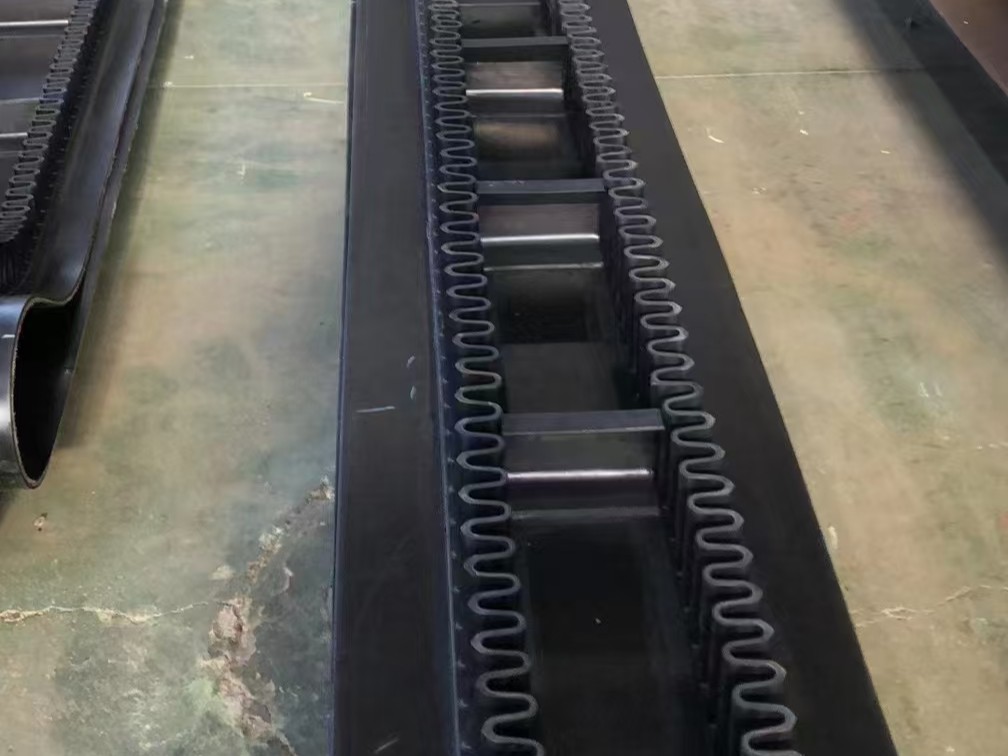
2026-02-27 11:05In continuous production systems, bucket elevators play a key role in vertical or steep-angle material handling. The bucket elevator conveyor belt is not just a carrying component — it supports the weight of both the material and the buckets, operates under constant cyclic tension, and withstands localized stress from bucket bolts.
Because material properties and working environments vary from industry to industry, performance requirements also differ significantly.
In many projects, issues such as belt tearing, delamination, or bolt hole cracking are not simply quality problems. In most cases, they result from improper selection that does not match the real operating conditions.
Core Performance Requirements of a Bucket Elevator Conveyor Belt.
No matter the industry, a bucket elevator conveyor belt should provide the following fundamental performance features:
High tensile strength to prevent excessive elongation at greater lifting heights.
Strong tear resistance to handle material impact.
Excellent wear resistance to extend service life.
Structural stability to avoid layer separation and fatigue cracking.
Our belts use a steel cord core design, offering low elongation, high strength, and stable operation. This makes them suitable for heavy-duty and continuous running systems.
We also support customized layer configurations and structural adjustments based on specific working conditions, allowing the belt to match different lifting heights and throughput requirements.
Performance Differences by Industry.
1. Mining Industry.
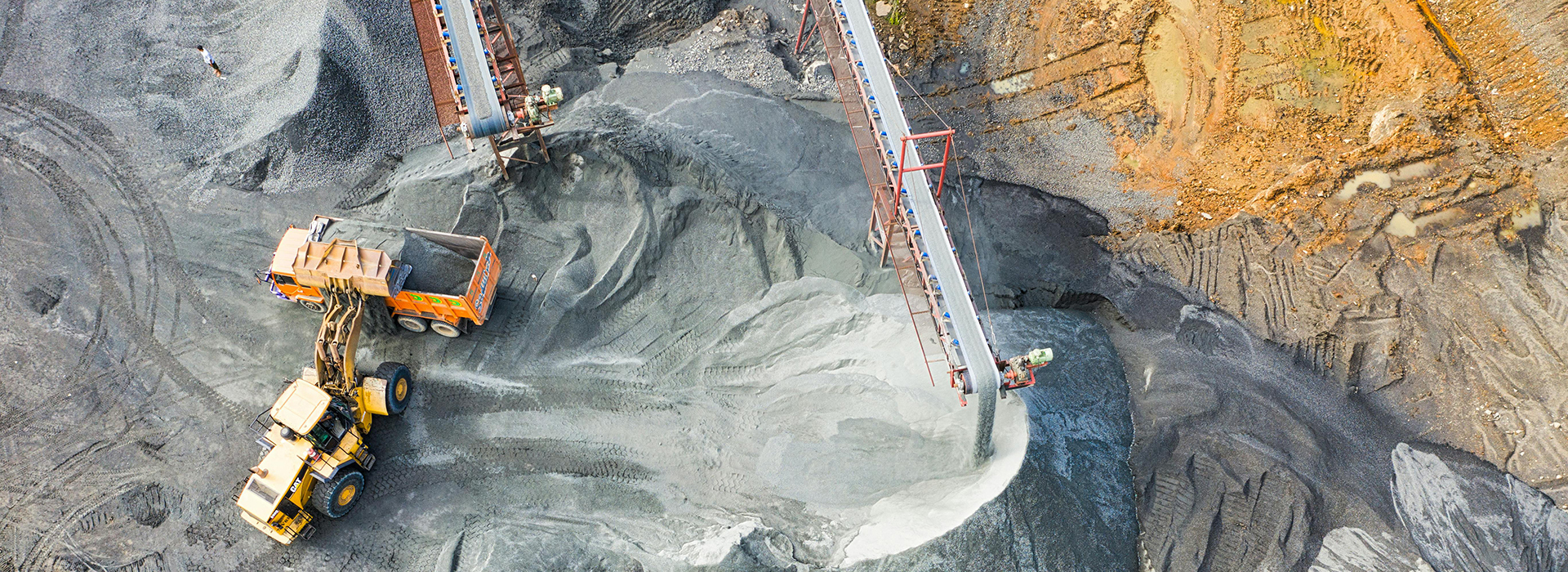
Mining materials are usually heavy, abrasive, and impact-prone. The working environment often includes high dust levels and harsh mechanical stress.
Key performance priorities include:
Very high tensile strength.
Strong tear resistance.
Reinforced bolt hole areas.
Enhanced overall impact resistance.
In these conditions, steel cord construction provides a higher safety margin. For high-lift mining systems, the low elongation advantage becomes especially important.
2. Cement Industry.
Cement plants handle materials such as clinker, which can be high in temperature. Equipment typically runs continuously in dusty environments.
Performance focus areas:
Heat resistance.
Aging resistance.
Long-term fatigue resistance.
Structural stability.
If structural stability is insufficient in these conditions, delamination and premature aging may occur. Proper structural design and compound matching are critical.
3. Chemical Industry.
In chemical applications, materials may be corrosive. Some environments involve acidic or alkaline exposure, and certain materials may be sticky.
Key performance considerations:
Corrosion-resistant rubber compounds.
Resistance to chemical aging.
Anti-delamination structure.
In this sector, belts are often custom-designed based on the specific medium being handled to ensure long-term operational reliability.
4. Power Generation Industry.
Coal and ash handling systems involve abrasive materials and typically operate continuously.
Performance requirements include:
High wear resistance.
Strong fatigue resistance.
Stable overall structure.
5. Ports and Bulk Material Handling.
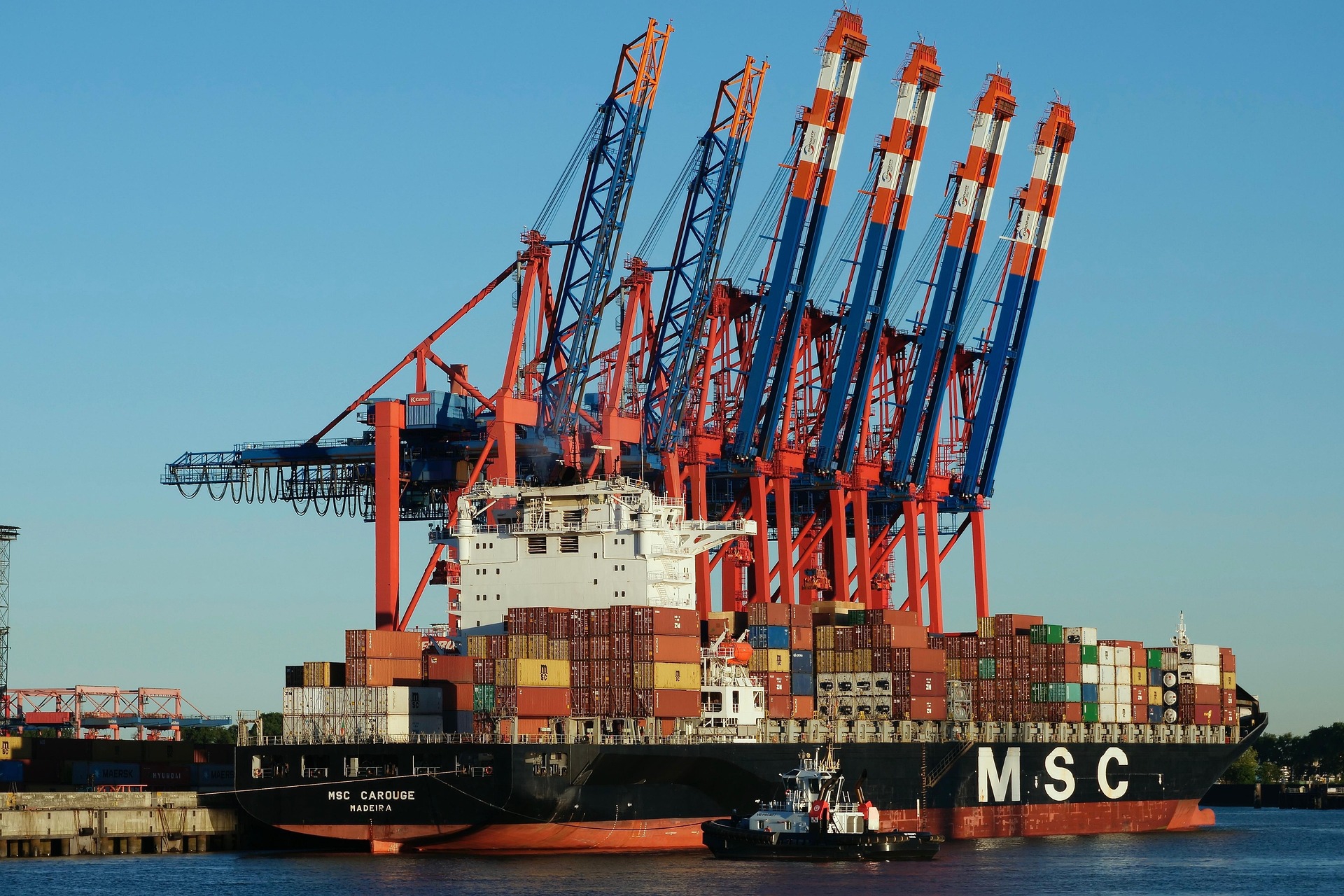
Port operations often involve large throughput, high lifting heights, and intense operating cycles.
Performance priorities:
High-strength steel cord structure.
Low elongation.
Higher safety factor in design.
Industry Comparison Overview.
| Industry | Material Characteristics | Main Risks | Key Performance Focus | Recommended Structure |
| Mining | Heavy, high impact | Tearing, belt breakage | High tensile & tear resistance | Reinforced steel cord type |
| Cement | High temperature, dusty | Aging, delamination | Heat & fatigue resistance | Customized heat-resistant design |
| Chemical | Corrosive media | Rubber degradation | Corrosion & anti-delamination | Custom compound structure |
| Power | Highly abrasive, continuous | Fatigue cracking | Wear & fatigue resistance | High-strength structure |
| Port | High lift height | Excessive elongation | Low elongation & high strength | Heavy-duty steel cord type |
Industry Differences Determine Structural Choice.
In actual projects, we can provide conveyor belt structure matching according to industry characteristics.We have rich export experience and mass production & supply capacity, and can provide customized production in accordance with the standards of different countries and projects.If you have any demand for bucket elevator conveyor belt, please feel free to contact us.