


Top 10 Common Mistakes When Selecting Conveyor Belts for the Mining Industry
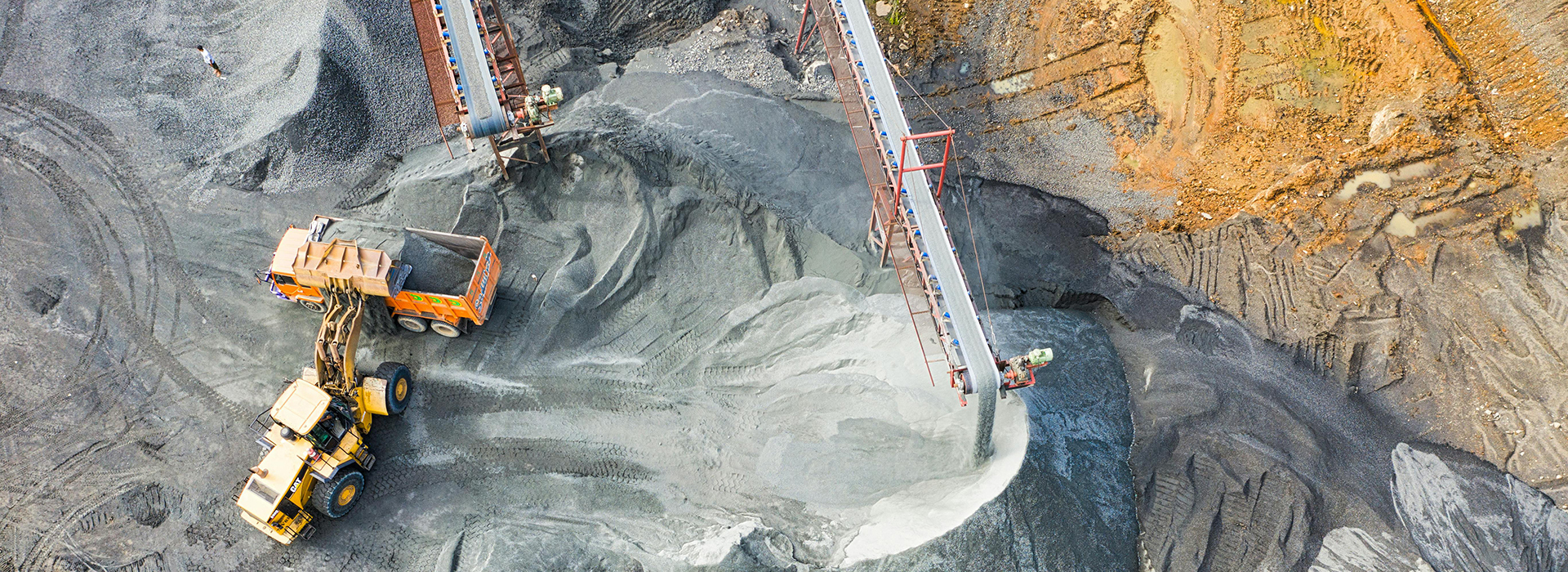
2026-02-15 11:25In mining operations, conveyor belts do much more than move material from one point to another. They directly affect production efficiency, operating safety, and long-term operating costs.
In real projects, however, belt selection is often underestimated. Many performance issues are not caused by poor product quality, but by incorrect decisions made during the early selection stage.
Based on common operating conditions, below are the ten most frequent mistakes made when selecting conveyor belts for the mining industry—and how to avoid them.
Choosing materials based only on experience.
Different materials vary greatly in abrasiveness, impact load, corrosion, and operating temperature. Relying only on past experience without fully evaluating material characteristics often leads to excessive wear or premature belt failure.
The right approach is to match belt construction and cover compounds to the material being handled. Highly abrasive materials require wear-resistant rubber belts, while high-temperature or heavy-load conditions demand higher-strength solutions.
Ignoring fire-resistant and anti-static requirements in underground mines.
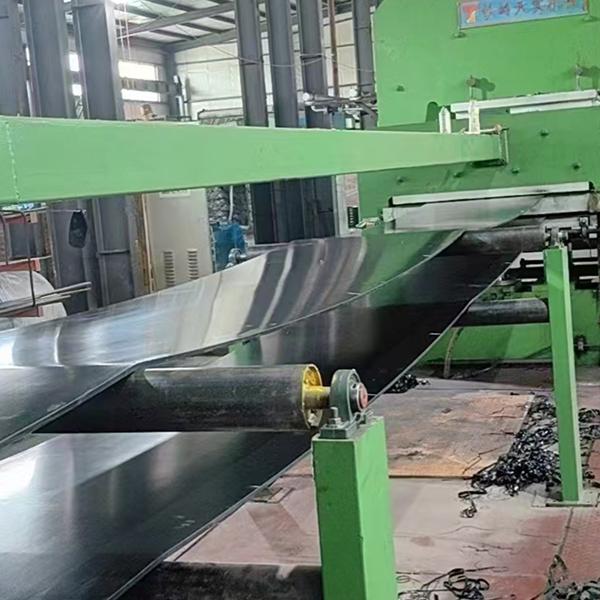
In high-risk environments such as coal mines, fire resistance and anti-static properties are non-negotiable safety requirements. Using standard belts in these conditions significantly increases the risk of fire or explosion.
The correct practice is to follow mining safety regulations strictly and select mining conveyor belt system that meet approved flame-retardant standards.
Poor matching of belt width and belt speed.
Some projects attempt to increase capacity simply by raising belt speed, without considering material characteristics or conveying conditions. This often results in dust generation, material spillage, and accelerated wear.
Proper selection balances material size, conveying distance, and incline angle, optimizing efficiency while maintaining stable and controlled transport.
Long-term overload operation.
Selecting a mining conveyor belt system with insufficient strength or failing to calculate peak loads can cause the system to operate under continuous overload. While this may not cause immediate failure, it steadily reduces belt service life.
Belts should be selected based on maximum operating conditions, with even material distribution to avoid localized stress.
Overlooking dynamic loads during start-up and braking.
Many selections focus only on static parameters and ignore dynamic forces during start-up, braking, or load changes. In long-distance or high-power systems, this can result in belt damage or slippage.
A safer approach includes dynamic analysis and proper coordination of drive and braking systems.
Mismatch between the belt, pulleys, and idlers.
Small pulley diameters or improper idler spacing increase bending fatigue, especially for multi-ply belts.
Belt selection should always consider matching pulley sizes and idler configurations to ensure the system works as a whole.
Insufficient consideration of environmental conditions.
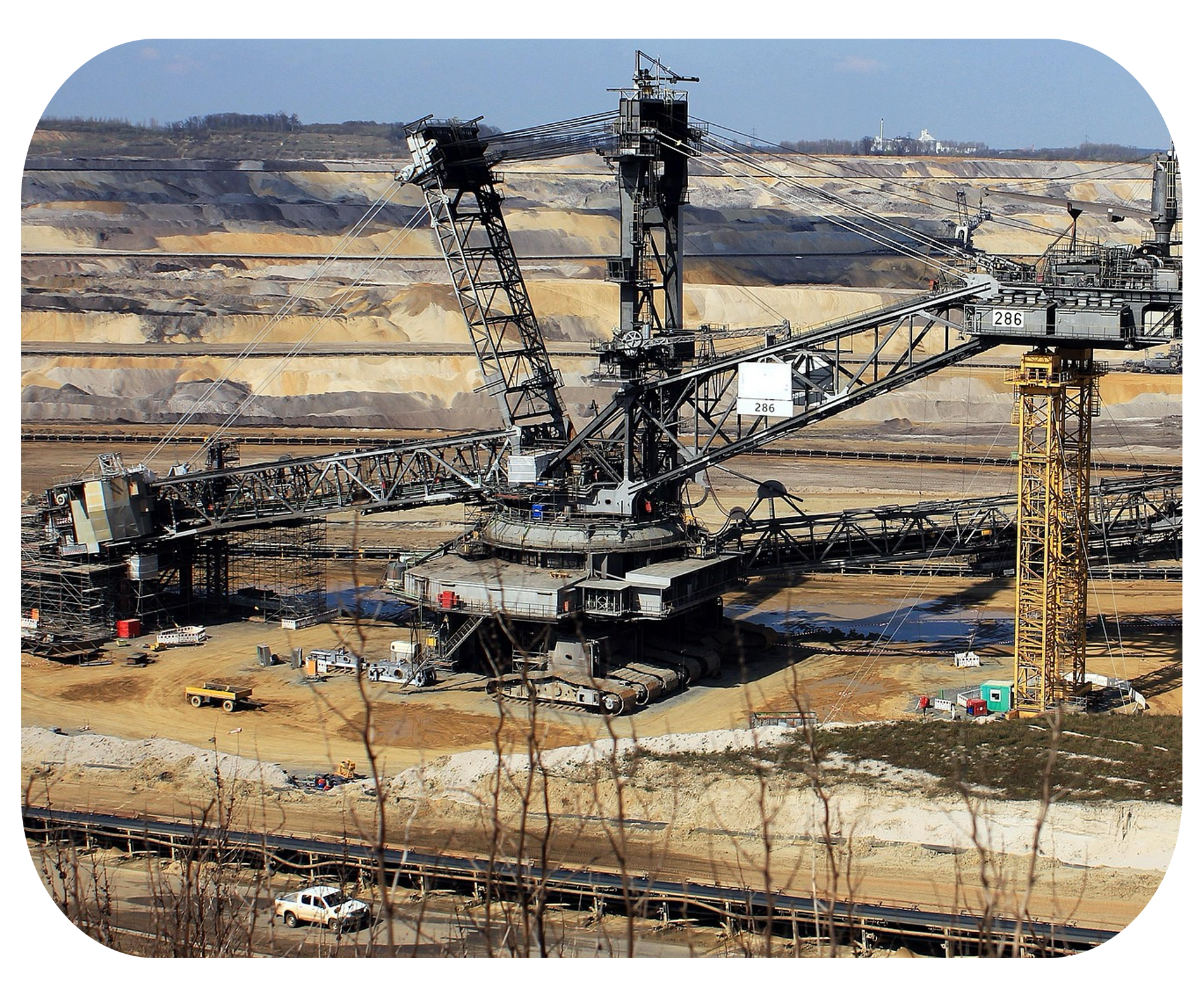
Moisture, high temperatures, and corrosive gases can significantly accelerate belt aging. Ignoring environmental factors often leads to rapid performance degradation.
Evaluating site conditions in advance and choosing weather-resistant, corrosion-resistant, or heat-resistant materials is essential.
Lack of maintenance planning after installation.
Conveyor belts are not “install once and forget.” Without regular tension adjustment, tracking checks, and wear monitoring, small issues can quickly escalate into costly shutdowns.
A preventive maintenance plan helps improve system reliability and extends mining conveyor belt system service life.
Incorrect splice method selection.
The splice is the weakest point in any conveyor system. Using a splice method that does not match the belt type can significantly reduce overall belt strength.
Splice methods should be selected based on belt structure and operating conditions to ensure consistent performance.
Focusing only on initial cost instead of total life-cycle cost.
Low-cost belts may reduce upfront investment, but often result in higher maintenance costs, energy losses, and frequent replacements over time.
A smarter decision evaluates total life-cycle cost, including durability, maintenance, and long-term operating efficiency.
Selecting conveyor belts for the mining industry is not a simple product comparison—it is a system-level engineering decision. Only by fully understanding operating conditions, equipment compatibility, and long-term performance requirements can mining operations achieve safe, efficient, and sustainable material handling.
We offer custom conveyor belts for the mining industry, tailored to different operating conditions and application requirements. If you are looking for customized mining conveyor belt system solutions, feel free to contact us for professional support.