

News
Maximize uptime with the right Mining Conveyor Belt Manufacturer. Discover how custom designs, durable materials, and smart engineering extend belt life in harsh conditions.
You can pick the right conveyor belt for mining by using three easy steps: check what your work needs, match the belt details, and ask skilled experts. Choosing the right belt helps your equipment last longer, saves money, and keeps things running well. Mining conveyor belt manufacturers use their knowledge to guide you and help you not make expensive mistakes. You should respect their help and trust them for success over time.
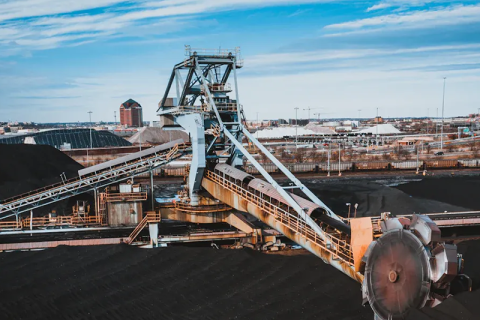
Choosing the right Heavy Duty Conveyor Belts for Mining Industry keeps your work safe from expensive stops and dangers. You need to follow strong safety rules and pick belts that fit your site’s materials and place. Picking the wrong belt can cause breaks, hurt people, and lose money. This guide gives you useful tips to help you make smart choices for your mining work in the future.

Planning a new installation? Discover the complete step-by-step process for installing rubber conveyor belts correctly. From preparation to tracking, ensure safety and maximize belt life with our expert guide.
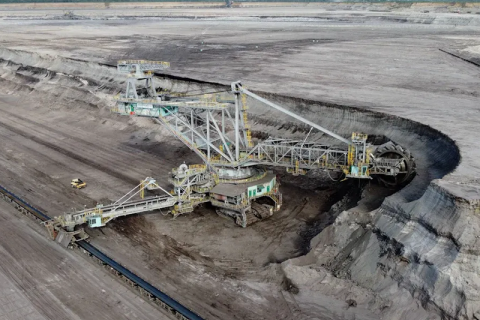
Estimate your mining conveyor belt installation budget accurately. We break down costs for safety upgrades (

Don't overlook the hidden costs. From belt specifications to splicing labor, discover the true cost of installing a mining conveyor belt and how to avoid expensive budget overruns.

You have to think about a few key things when you pick a rubber conveyor belt. The table below shows what is most important:

Confused by specifications? We compare ply options, material compatibility (Oil/Chemical), and safety standards. Find the exact belt spec that fits your mining, food, or logistics application.
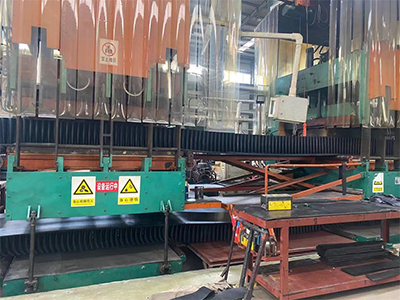
You want your machines to keep working. Good Rubber Conveyor Belts help stop sudden problems. Heat-resistant Rubber Conveyor Belts help your line keep moving. You do not have to fix things as much. You save money because you do not buy new Rubber Conveyor Belts often. Many factories say they have fewer stops with better belts.
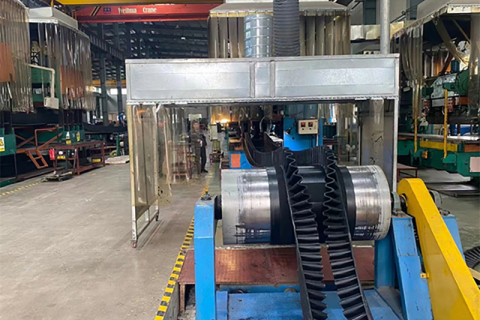
When you pick rubber conveyor belt manufacturers, you help your production line work well. Good belts keep things running and stop expensive breaks. High-quality belts do more than just move things. They help carry more, use less energy, and make work safer. New technology and good customer support mean the belts last longer and need less fixing. What you choose affects not just the price, but also the total cost and how well your whole operation works.