


- Home
- >
News
This article introduces multi-ply textile conveyor belts as ideal for heavy material transport in mining, metallurgy, chemicals and logistics. It details their structure—multiple high-strength textile layers bonded tightly, often with nylon for toughness—and features like high tensile strength, durability, wear resistance and adaptability. It addresses challenges in heavy material transport (high load, impact, friction) and highlights the belts’ advantages: enhanced load-bearing capacity, even pressure distribution, reduced material slippage and improved transport efficiency. The company also offers customized solutions to meet diverse work environment and load needs.
This article discusses how heat resistant nylon conveyor belts reduce material loss and pollution in the chemical industry. Designed for high-temperature, corrosive environments, they feature excellent heat, corrosion, and aging resistance. They prevent material spillage, stabilize transportation, lower dust, harmful gas, and chemical leakage, and reduce noise pollution. Customizable solutions are provided to meet different production needs, helping chemical enterprises improve efficiency, ensure safety, and achieve environmentally friendly operations.

This article outlines how China’s conveyor belt industry has become a global leader via manufacturing upgrading, cost-effectiveness, and quality. It highlights the strong export position, rising global share, and focus on technological and green innovation. Taking Liaoning Hengyi Rubber Machine Belt Manufacturing as an example, it introduces its certifications, global exports, and customized high-performance, eco-friendly products. It also covers internationalization trends, challenges from high-end demand and competition, and opportunities from the Belt and Road Initiative. The industry will keep innovating to strengthen its global position.
This article introduces how the circular pit design improves the efficiency of metallurgical conveyor belts. These pits prevent material slippage, especially on steep inclines, reduce spillage and waste, and increase load capacity. They also enhance stability and adaptability in harsh environments like high temperature and corrosion. Widely used in metallurgy and mining, this design boosts transport efficiency and safety. The products meet international quality and environmental certifications, with customized solutions available.
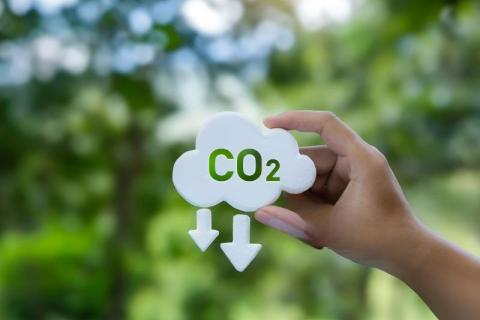
This article discusses how nylon conveyor belts help industries like mining, steel, and chemicals cut carbon emissions and resource waste. With high wear resistance, lightweight design, and low-friction operation, they lower energy use, boost transport efficiency, and extend service life, reducing replacements and material waste. Nylon’s recyclability further reduces environmental impact. Real cases show energy savings and lower pollution after switching from traditional belts. Nylon conveyor belts offer a cost-effective, eco-friendly solution under strict environmental regulations.
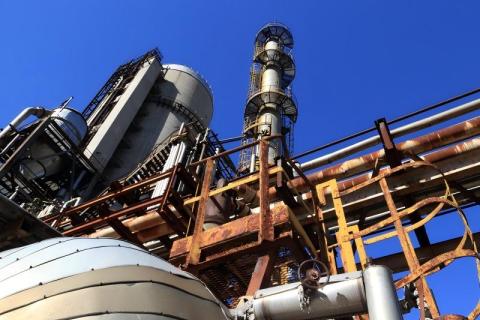
Oil resistant nylon conveyor belts have unique advantages in the chemical industry, where corrosive, flammable chemicals and oils are often transported. They feature excellent oil resistance to avoid aging, peeling and damage, plus high strength and wear resistance against chemicals like acids and alkalis. They ensure transport safety, prevent leaks and reduce costs. The company offers customized services and products certified by ISO9000, ISO9001 and ISO14001 to meet diverse needs.
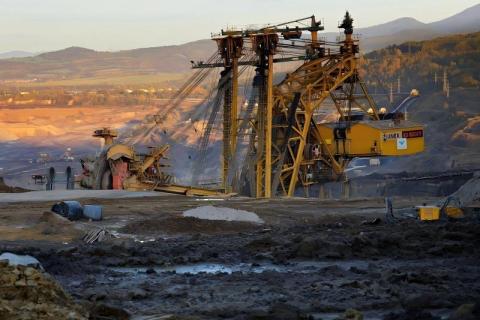
This passage compares steep incline conveyor belts and traditional conveyor belts. Steep incline belts have sidewalls and flanges, enabling 30°–90° conveying, while traditional flat belts only suit horizontal or low-angle transport. Steep incline belts save space, avoid spillage, and carry heavy loads, but cost more initially. Traditional belts are cheaper and simpler to maintain, yet limited in angle and capacity. Choosing between them depends on conveying angle, space, load and environment. Steep incline belts fit vertical or steep conveying, while traditional ones are economical for basic horizontal material transport.
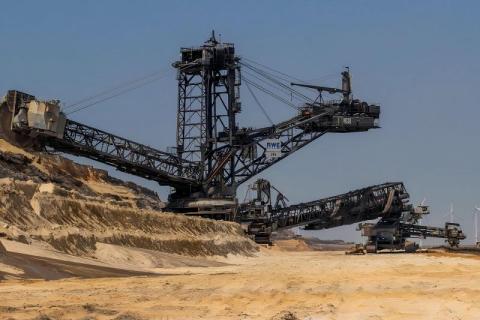
This article discusses the operational safety of heavy industrial conveyor belts widely used in mining, metallurgy and chemicals. These belts face major hazards including wear, overload, over-tension, heat damage and static buildup, which may lead to breakage, downtime or safety accidents. To reduce risks, effective measures are suggested: regular inspection and maintenance, protective covers, tension control, cooling systems and anti-static designs. Proper application of these measures improves safety, extends service life, and ensures stable and efficient industrial production.
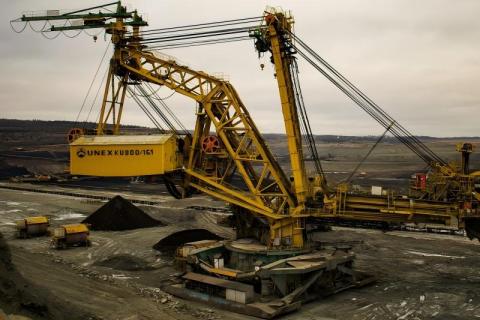
This article introduces how to select suitable conveyor belts for harsh coal mine environments. It analyzes key challenges like heavy loads, humidity, coal dust, high temperatures and fire risks. Major selection factors include abrasion resistance, fire resistance, anti-static performance and load capacity. It compares rubber and steel cord belts, and recommends high-strength, wear-resistant and flame-retardant products. Choosing proper belts improves safety, stability and efficiency in coal transportation.
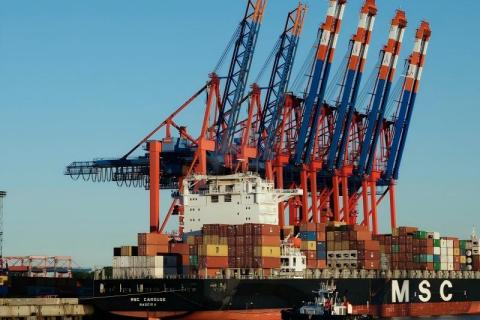
This article analyzes performance differences of bucket elevator conveyor belts across industries. These belts bear material weight, cyclic tension, and bolt stress. Key requirements include high tensile strength, tear resistance, wear resistance, and structural stability. Our steel cord belts feature low elongation and high strength, with customization available.
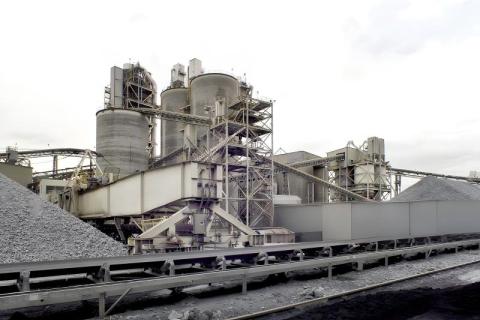
Wear-resistant nylon conveyor belts are ideal for cement plants handling limestone, clinker and powder under heavy, continuous operation. They offer high impact resistance, excellent wear resistance and stable performance. With a nylon core and wear-resistant covers, they reduce tearing and delamination. Our high abrasion resistant conveyor belt meets DIN standards and supports customization, improving reliability and reducing maintenance costs.
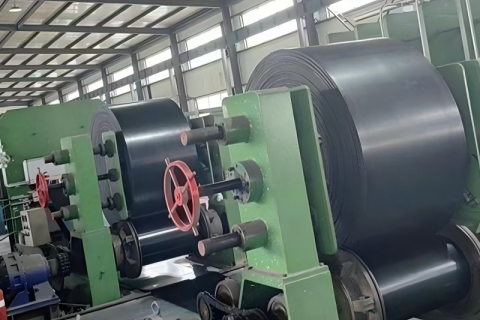
This article discusses how heat resistant conveyor belting cuts maintenance costs in high-temperature mining. High temperatures cause rubber aging, interlayer delamination, and shortened splice life, leading to frequent belt failures, shutdowns, and rising maintenance costs. Multi-ply heat resistant belting, with its even tension distribution and heat-resistant cover, slows thermal aging, reduces deformation and delamination, and extends service life. Proper selection (matching temperature, tension, and conditions) and customization are key, as they lower unexpected shutdowns and total operational costs despite a possibly higher initial investment.