


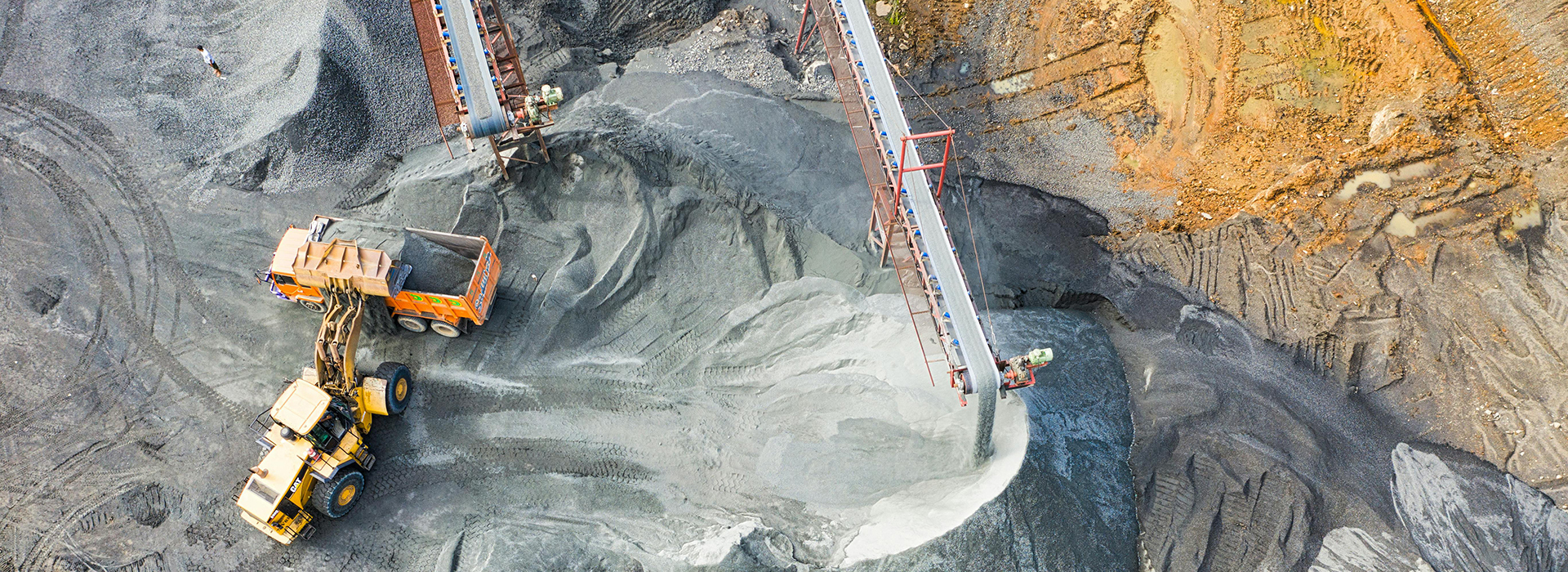
How to Reduce Carbon Emissions and Resource Waste With Nylon Conveyor Belts
2026-03-07 14:42As global climate change becomes an increasingly urgent issue, reducing carbon emissions and resource waste has become a pressing challenge for various industries. Energy-intensive sectors like mining, steel, and chemicals are under dual pressure of high energy consumption and carbon emissions. In these industries, conveyor systems are one of the key sources of energy consumption. Therefore, it is essential to choose an environmentally efficient conveyor system. Industrial conveyor belt is a highly efficient, durable, and environmentally friendly solution widely used in these industries, making them an important tool in reducing carbon emissions and resource waste.
Advantages and Environmental Features of Nylon Conveyor Belt.
Nylon conveyor belts are known for their excellent wear resistance, tensile strength, and high-temperature resistance, making them ideal for use in mining, metallurgy, and chemical transport tasks. Compared to traditional conveyor belts, industrial conveyor belts offer significant advantages in terms of environmental impact:
Low-Carbon Production Process: The production of nylon materials typically results in lower carbon emissions compared to other synthetic materials. Moreover, the production of our industrial conveyor belts follows environmentally friendly practices, reducing energy waste during manufacturing.
Energy-Efficient Transport Performance: Industrial conveyor belts are lightweight and flexible, capable of bearing heavy loads and running for extended periods. Their high-efficiency transport performance allows conveyor systems to operate with lower energy consumption. Compared to other types of conveyor belts, they help reduce overall energy use.
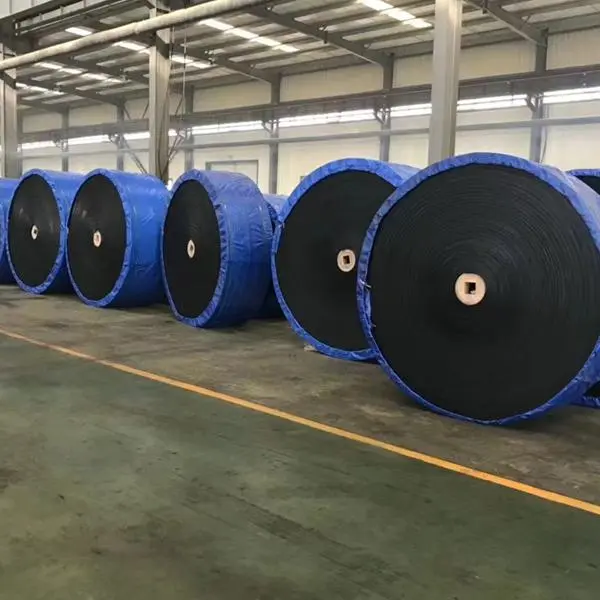
How to Reduce Carbon Emissions and Resource Waste Using Industrial Conveyor Belts.
Reducing Energy Consumption.
Industrial conveyor belts require relatively low power during operation. With the same load, these belts have lower friction and tension, which reduces the strain on the drive system. The lower power requirement of the motor results in reduced energy consumption, improving the overall energy efficiency of the system and lowering operational energy costs.
Improving Transport Efficiency.
Industrial conveyor belt offer smooth transportation with minimal material buildup, improving overall transport efficiency. This allows more tasks to be completed in the same amount of time, contributing to higher productivity and reduced energy consumption in the process.
Extending Service Life.
Our industrial conveyor belts are made from high-strength nylon, known for their superior wear resistance and impact resistance. This gives them a long service life, meaning fewer replacements are needed over time. Reducing the frequency of belt replacements, it helps minimize material waste and the environmental impact caused by production and disposal.
Recyclability.
Nylon materials are highly recyclable. Unlike other non-recyclable conveyor belt materials, industrial conveyor belts can be reused at the end of their life cycle, helping to reduce waste and lessen the environmental burden.

Industry Examples and Real-World Applications.
In several coal mining and steel plants, companies have replaced traditional steel-wire conveyor belts with industrial conveyor belts. This switch has not only saved on energy costs but also reduced carbon emissions. For example, some coal mines saw a 10% reduction in total energy consumption after switching to industrial conveyor belts, while also decreasing coal dust leakage, which in turn lowered environmental pollution.
By selecting the right Industrial conveyor belt products, companies can improve production efficiency, reduce energy consumption, and contribute to reducing carbon emissions and resource waste. In light of increasingly stringent environmental regulations globally, industrial conveyor belts provide companies with a solution that meets environmental standards while reducing operational costs.