


Effective Protective Measures to Improve the Operational Safety of Heavy Industrial Conveyor Belts
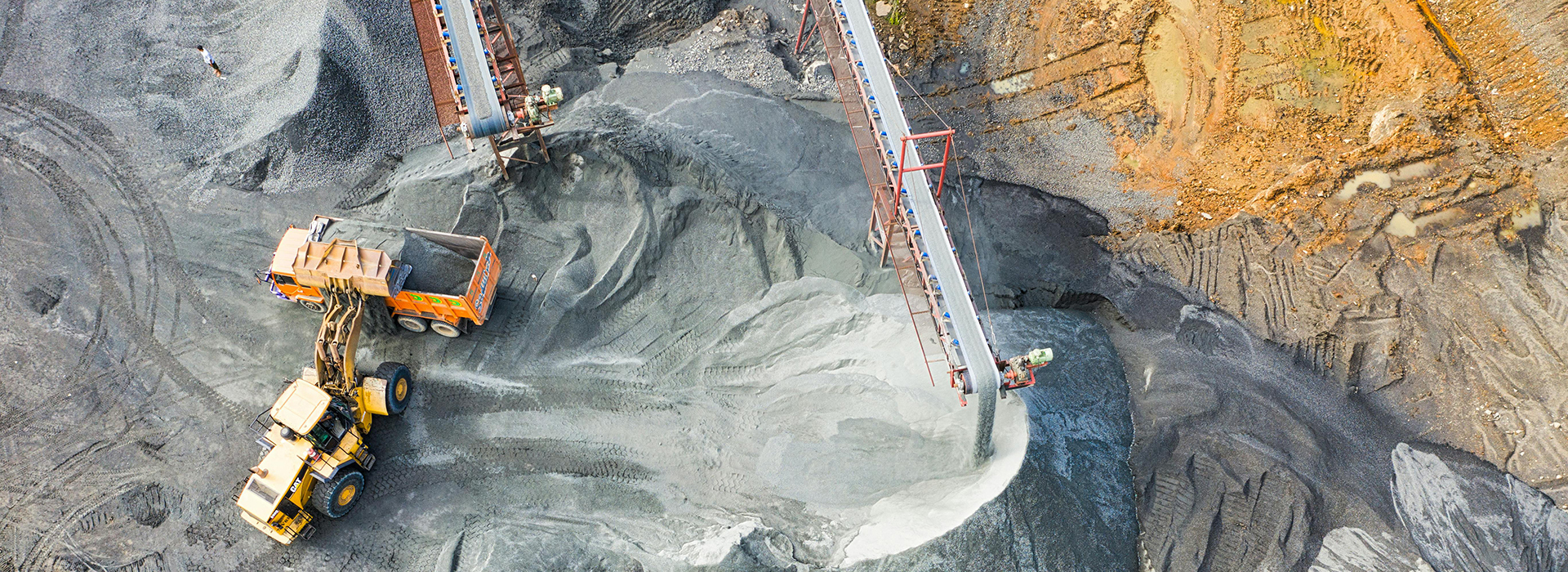
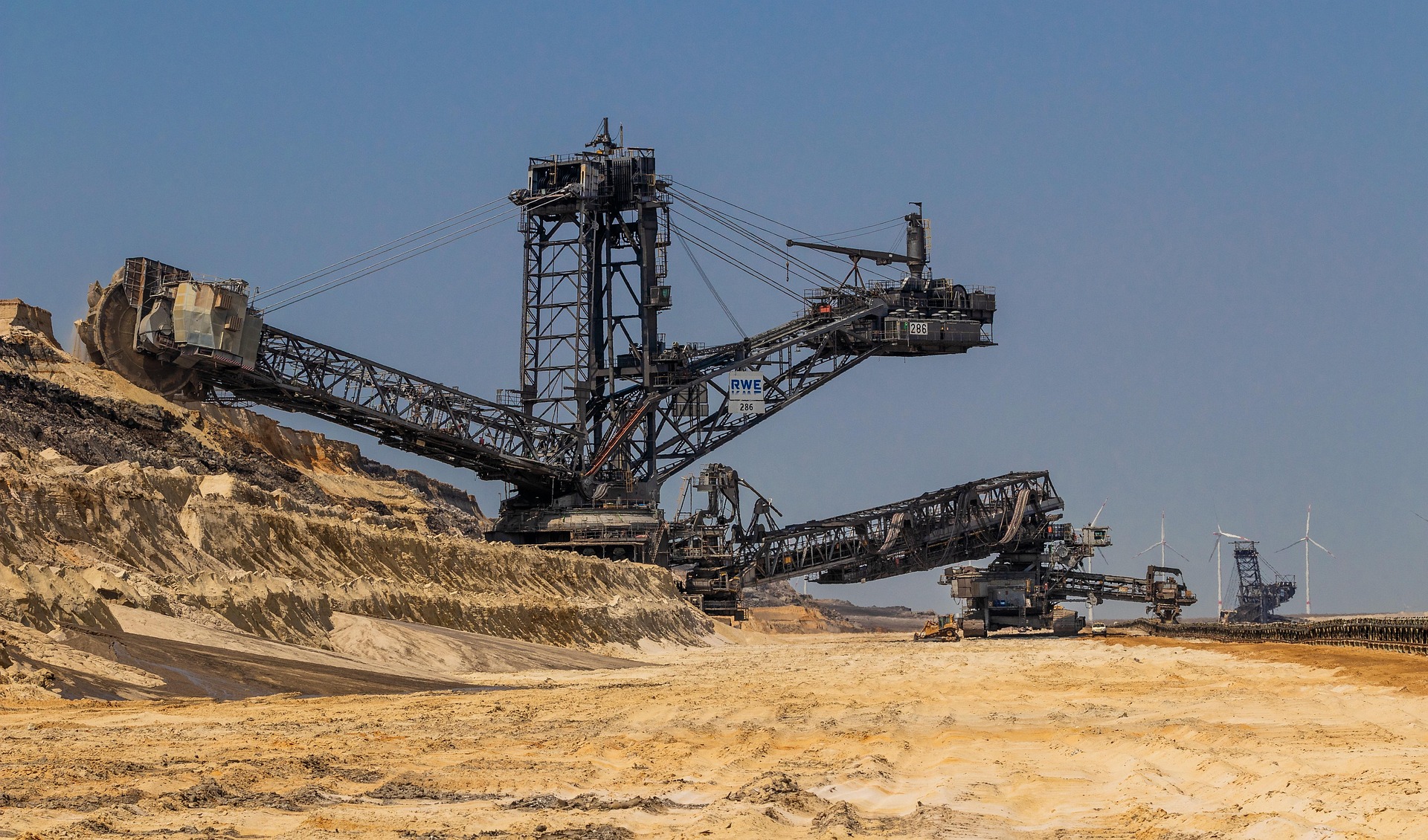
2026-03-03 14:28Heavy industrial conveyor belt is widely used in high-load and complex environments such as mining, metallurgy, and chemicals. Known for their high strength, wear resistance, and impact resistance, these conveyor belts play a critical role in material transport. Despite their multiple advantages, when operating in challenging environments for extended periods, they may face safety risks such as overload, wear, breakage, or heat damage. Therefore, implementing effective protective measures is crucial for ensuring safety and extending the service life of the belts.
Potential Safety Hazards of Heavy Industrial Conveyor Belts.
Wear and Aging.
Conveyor belts frequently come into contact with materials, especially rough and hard materials like ores and gravel, which can cause surface wear and material aging. This wear not only affects the efficiency of the conveyor belt but can also lead to breakage, causing production downtime or equipment damage.
Overload and Excessive Tension.
When the load on the conveyor belt exceeds its capacity, it may experience excessive tension, deformation, or even breakage. Overloading not only affects production efficiency but can also lead to equipment malfunctions, increasing maintenance costs.
Heat Damage.
In high-temperature environments, heavy industrial conveyor belts may soften, deform, or even lose their strength due to excessive heat, compromising the stability and safety of the belts.
Static Electricity Accumulation.
In industries such as coal mining and chemicals, Heavy industrial conveyor belt often accumulate static electricity. In dry, dusty environments, static discharges can pose serious safety risks, potentially leading to fires or explosions.
Effective Protective Measures.
Regular Inspections and Maintenance.
Regular inspection of heavy industrial conveyor belts is the first step in preventing safety hazards. Inspections should include checking for wear, cracks, aging, and ensuring that all connection components are securely fastened. Timely repairs and the replacement of worn-out parts can significantly prevent accidents during operation.
Protective Covers and Guide Systems.
External materials such as stones and metal fragments may damage or tear the conveyor belt during operation. Installing protective covers can reduce this risk. Additionally, guide systems should be in place to ensure the conveyor belt stays properly aligned during operation, preventing misalignment and accidental damage.
Tension Control Systems.
Both overly tight and overly loose conveyor belts can lead to instability, causing breakage or slippage. Tension control systems help maintain the optimal tension for the belt, preventing overload or uneven tension that could lead to failures.
Cooling Systems and Temperature Control.
In high-temperature operating environments, conveyor belts can suffer from heat-induced softening or aging. Installing cooling systems or temperature control devices on the conveyor belt can ensure it operates within a safe temperature range, preventing damage caused by excessive heat.
Anti-static Design.
Static electricity accumulation is a serious safety hazard in industries like coal mining and chemicals. Using anti-static materials or installing anti-static devices on the conveyor belts can effectively eliminate static buildup, reducing the risk of fires and ensuring the safety of the belts.
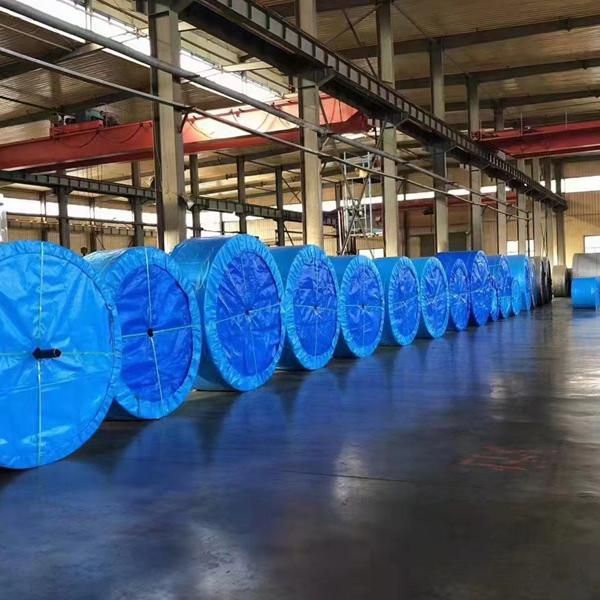
The operational safety of Heavy industrial conveyor belt is directly related to the production efficiency and safety of industries such as mining and metallurgy. By implementing regular inspections, proper tension control, protective measures, and temperature and static control, the safety of the conveyor belts can be improved, significantly reducing the occurrence of accidents.
Continually monitoring and optimizing these protective measures can extend the service life of the belts and ensure stable and efficient production lines. We recommend that businesses combine these protective measures based on their operational environments and load requirements to keep the conveyor belts running at their best.