


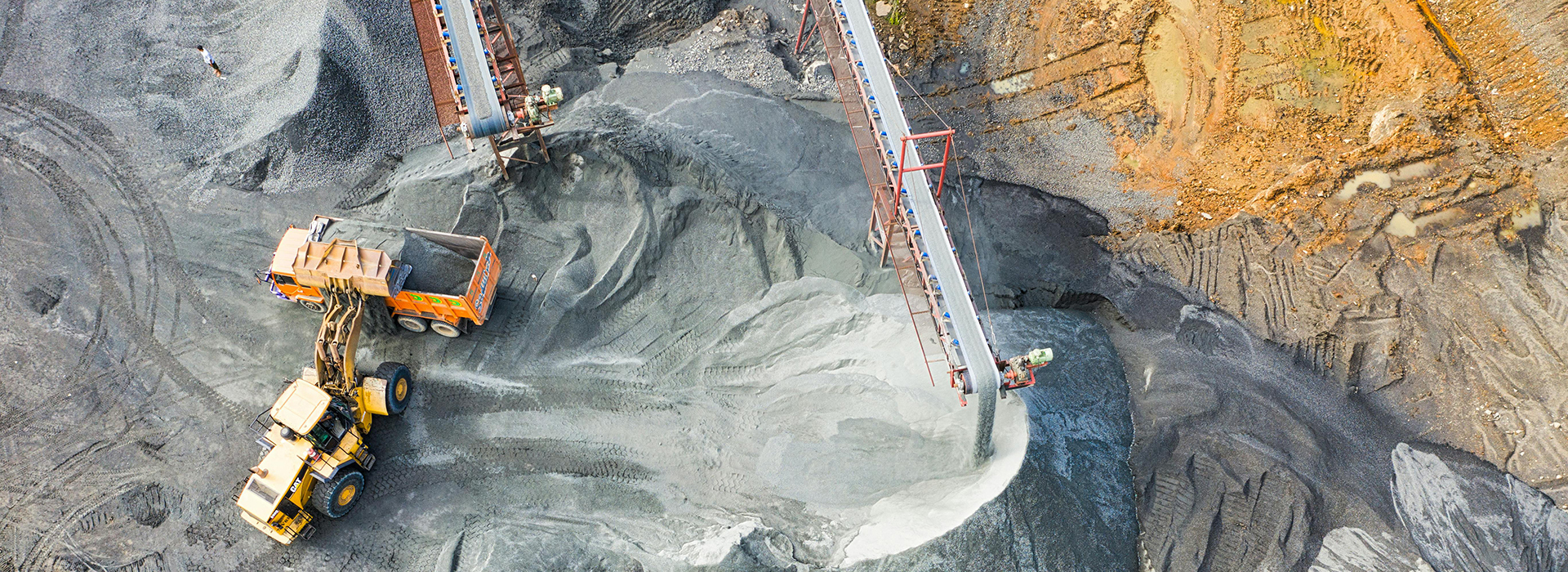
Multi-ply Textile Conveyor Belts: Powerful Support for Heavy Material Transport
2026-03-12 14:09In various industries such as mining, metallurgy, chemicals, and logistics, the transport of heavy materials has always been a crucial task for production lines. To ensure the efficiency and stability of the transport system, selecting the right conveyor belt is essential. Multi ply textile conveyor belts, with their high strength, durability, and adaptability, are perfectly suited to handle such demanding transport environments.
Structure and Features of Multi-ply Textile Conveyor Belts.
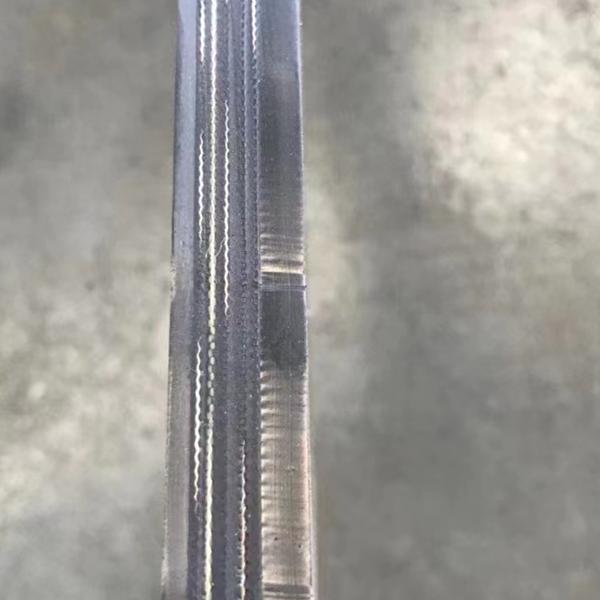
Multi-ply textile conveyor belts are typically made of multiple layers of high-strength textile fabric, which are tightly bonded through specialized processes to form a composite structure with high tensile strength, wear resistance, and impact resistance. The nylon material used in these belts has excellent toughness and wear resistance, making it well-suited for high-load, high-impact working environments.
Multi-layer Design:
The multi-layer design is a key feature of this type of conveyor belt. Each fabric layer is capable of withstanding substantial loads, distributing pressure evenly to avoid excessive load concentration, thus reducing the risk of damage. This multi-layered fabric structure enhances the belt's tensile strength and fatigue resistance, particularly in heavy material transport applications where high pressure and frequent friction are encountered.
Durability and Long-term Stability:
Our company’s Multi ply textile conveyor belts are made with high-wear-resistant nylon fabric, which ensures long-term stability even in demanding work environments. These belts not only resist wear and corrosion but also feature anti-aging properties, allowing them to operate efficiently in high-temperature, humid conditions.
Challenges in Heavy Material Transport.
Transporting heavy materials presents several challenges, including the need to carry large amounts of material, frequent impacts, and high friction. Traditional conveyor belts often fail to withstand these pressures, leading to damage and material slippage. To address these issues, the conveyor belt must possess the following key characteristics:
High Load Capacity:
Heavy material transport requires conveyor belts with a high load-bearing capacity to operate smoothly and steadily under high-speed and high-load conditions.
Impact and Wear Resistance:
During heavy material transport, belts are often subjected to strong impacts and friction, so the strength of the conveyor belt must be high enough to withstand these forces.
Stability and Adaptability:
The Multi ply textile conveyor belts must be able to adapt to various challenging work environments, such as high temperatures, humidity, or corrosive substances, ensuring long-term efficiency in these conditions.
Advantages of Multi-ply Textile Conveyor Belts in Heavy Material Transport.
Enhanced Load-Bearing Capacity:
With the same load, the conveyor belt does not undergo excessive deformation or breakage. The multi-layer structure not only distributes the material's pressure but also enhances the overall stability of the belt. This ensures efficient operation of the transport system during heavy material transport.
Increased Transport Efficiency:
By reducing material slippage and accumulation on the belt, Multi ply textile conveyor belts can improve the efficiency of material transport. The multi-layer design allows the conveyor belt to run steadily at higher inclines, helping save space and boosting production efficiency.
Our company provides customized multi-ply textile conveyor belt solutions tailored to different work environments, material characteristics, and load requirements. Whether for high-load, high-temperature, or corrosive environments, or for belts with special sizes and shapes, we can offer tailored services to meet client needs. Customized designs not only meet the demands of various industries but also enhance the efficiency and stability of production lines.