


Comparison of Advantages and Differences Between Steep Incline Conveyor Belts and Traditional Conveyor Belts
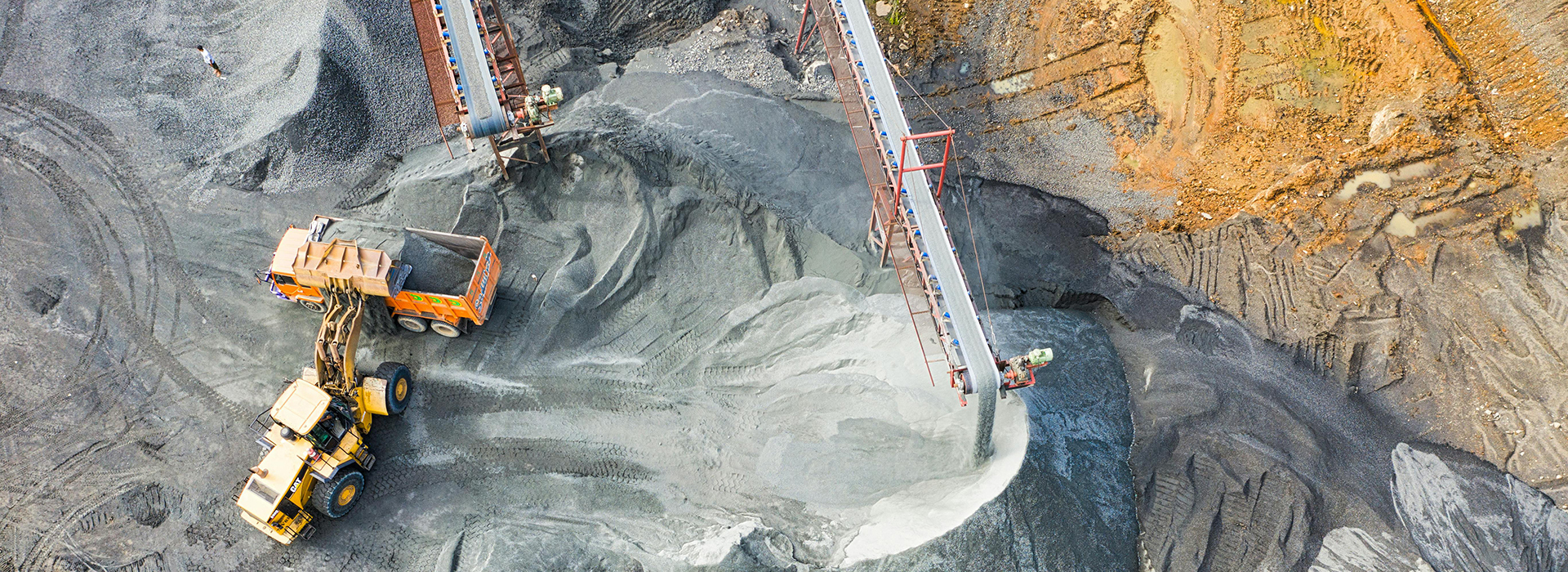
2026-03-04 10:40Conveyor belts come in various designs depending on the type of transport, angle of inclination, and material characteristics. Among the most commonly used are the steep incline conveyor belt and the traditional conveyor belt. Although both are used for material transport, they have distinct advantages and are suited for different work environments and tasks.
Structural Design Differences.
Steep Incline Conveyor Belt:
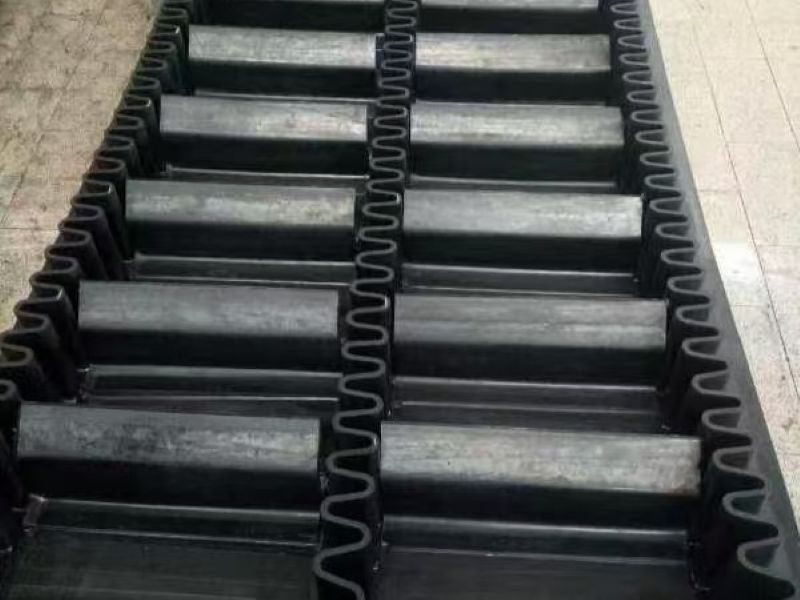
The primary feature of a steep incline conveyor belt is the vertical or slanted sidewalls along the edges of the belt, which form an enclosed structure. This design allows the conveyor belt to operate effectively at steep angles, ranging from 30° to 90°. It may also include additional components like flanges and guide grooves to further enhance transportation efficiency and stability. These features enable it to transport large amounts of material efficiently, even in narrow or height-restricted spaces.
Traditional Conveyor Belt:
Traditional conveyor belts generally use a flat design, intended for horizontal or low-angle transport. They are relatively simple in design and are suitable for carrying lighter or medium-load materials. However, traditional conveyor belts face limitations in vertical or inclined transport, as materials can easily slide off, especially when the transported materials are loose or flowable, leading to material leakage problems.
Advantages Comparison.
| Feature | Steep Incline Conveyor Belt | Traditional Conveyor Belt |
| Transport Angle | Operates on steep angles (30°-90°) | Typically limited to 10°-20° |
| Space Utilization | Efficient use of vertical space, saving horizontal area | Occupies more horizontal space |
| Applicable Environment | High moisture, high temperature, and corrosive environments | Suitable for milder work environments |
| Material Protection | Prevents material spillage, ideal for fine and sticky materials | Prone to material leakage, suitable for dry materials |
| Load Capacity | High capacity, suitable for heavy materials | Relatively lower load capacity |
| Transport Efficiency | Efficient, suitable for vertical or steep transport | Suitable for horizontal transport |
Cost-Effectiveness Analysis.
Steep Incline Conveyor Belt:
Although the initial investment in a steep incline conveyor belt is higher, its efficient transport capacity and longer service life can save operational costs over time. By reducing the need for manual intervention, increasing space utilization, and minimizing material loss during transport, the steep incline conveyor belt ultimately boosts the overall production efficiency of the business.
Traditional Conveyor Belt:
The initial investment in a traditional conveyor belt is relatively low, with simple installation and maintenance costs. For light-duty material transport tasks, traditional conveyor belts have a shorter payback period. They are more cost-effective for simpler applications with lower transport requirements.
Maintenance and Care.
Steep Incline Conveyor Belt:
The structure of a steep incline conveyor belt is more complex, and over time, parts like the sidewalls, flanges, and other components may experience wear or damage. Regular inspection and maintenance are critical to ensure the system operates smoothly. Timely care and maintenance can significantly extend the lifespan of the conveyor belt and maintain stable operation under high loads.
Traditional Conveyor Belt:
Traditional conveyor belts have a simpler design, making maintenance and care relatively easier. Basic maintenance tasks, such as adjusting tension or replacing parts, are more straightforward. While maintenance costs are low, the shorter service life may lead to more frequent repairs or replacements, potentially increasing long-term maintenance expenses.
Selection Recommendations.
Choosing the right type of conveyor belt based on specific work requirements is essential. For applications requiring vertical or steep-angle transport, or in spaces with limited horizontal area, the steep incline conveyor belt is a better choice. It not only increases transport efficiency but also optimizes space utilization. On the other hand, for horizontal transport of lighter loads or simpler applications, the traditional conveyor belt is more cost-effective and practical.