


- Home
- >
News
This article introduces multi-ply textile conveyor belts as ideal for heavy material transport in mining, metallurgy, chemicals and logistics. It details their structure—multiple high-strength textile layers bonded tightly, often with nylon for toughness—and features like high tensile strength, durability, wear resistance and adaptability. It addresses challenges in heavy material transport (high load, impact, friction) and highlights the belts’ advantages: enhanced load-bearing capacity, even pressure distribution, reduced material slippage and improved transport efficiency. The company also offers customized solutions to meet diverse work environment and load needs.
This article introduces how to select suitable conveyor belts for harsh coal mine environments. It analyzes key challenges like heavy loads, humidity, coal dust, high temperatures and fire risks. Major selection factors include abrasion resistance, fire resistance, anti-static performance and load capacity. It compares rubber and steel cord belts, and recommends high-strength, wear-resistant and flame-retardant products. Choosing proper belts improves safety, stability and efficiency in coal transportation.
Corrugated sidewall conveyor belts address major limitations of standard flat belts in bulk material handling. Traditional belts struggle with steep angles, space constraints, spillage, rollback, and dust, especially in mining, ports, cement, and metallurgy. Sidewall belts use a reinforced base, tall flexible sidewalls, and optional cross cleats to create enclosed “pockets,” enabling inclines from 30° to 90° and even vertical lifting. This design drastically reduces material loss, dust emissions, and space requirements while boosting throughput by 20–50% and cutting installation and operational costs. Hengyi’s sidewall belts feature high‑quality polyester cores for durability, minimizing downtime and improving overall conveying efficiency in harsh industrial environments.
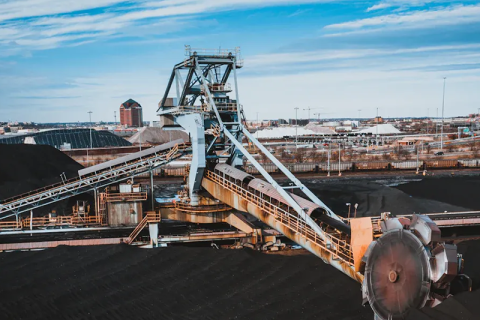
Choosing the right Heavy Duty Conveyor Belts for Mining Industry keeps your work safe from expensive stops and dangers. You need to follow strong safety rules and pick belts that fit your site’s materials and place. Picking the wrong belt can cause breaks, hurt people, and lose money. This guide gives you useful tips to help you make smart choices for your mining work in the future.
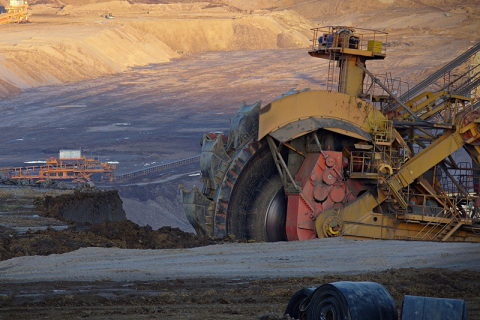
Demand for conveyor belts is primarily concentrated in the mining, port, metallurgy, power, chemical, and building materials sectors. Industry leaders such as Bi-State Rubber, Cambelt, and SKE Industries continue to lead the industry's technological evolution with innovative hot vulcanization processes, one-piece molding technology, and high-performance materials.
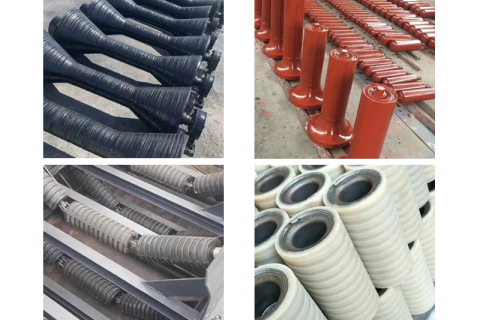
A drive roller is typically installed at the head of a conveyor belt. It is driven by a motor to drive the conveyor belt, thereby conveying materials. Drive rollers have high torque and power, fully capable of providing sufficient power. They are primarily suitable for long-distance, high-speed conveying routes.
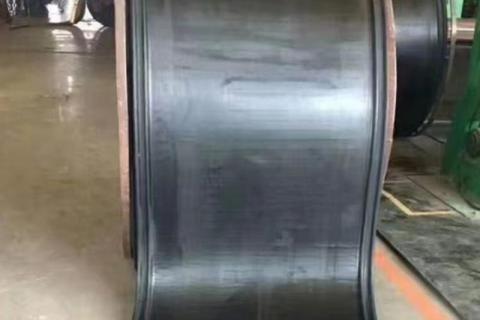
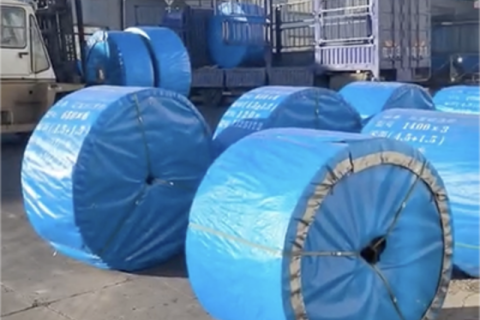
Steel cord reinforced conveyor belts are widely used in coal, electricity, mining, ports, cement, metallurgy, building materials and other industries. They are stable and suitable for long-distance high-load transportation. Steel cord reinforced conveyor belts should keep the surface clean and dry during transportation and storage, and should not be contaminated with mud, oil or chemical liquids. Direct sunlight and rain and snow should be avoided, because ultraviolet radiation and moisture erosion will accelerate the aging of rubber, causing it to lose flexibility and adhesion.
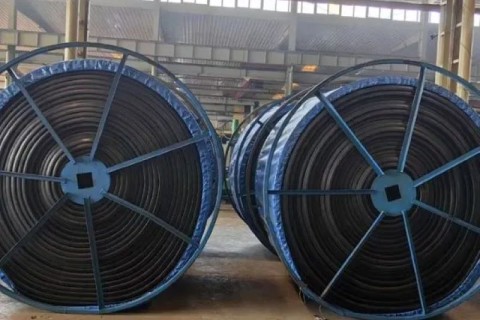
The conveyor belt industry is undergoing the baptism of technological innovation. The continuous emergence of new intelligent and digital technologies, and the integration of digital and automation technologies have greatly improved the performance and production efficiency of industrial conveyor belts.
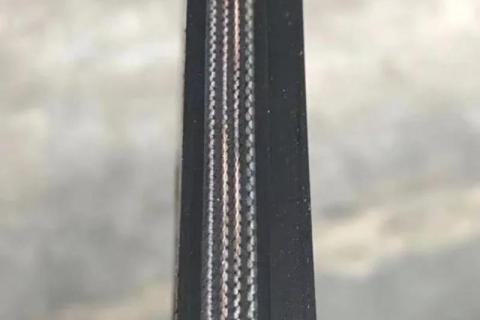
High abrasion resistant conveyor belt can meet the transportation requirements of heavy material transportation and mining industries. It is not only wear-resistant, but also ensures stable operation during use.
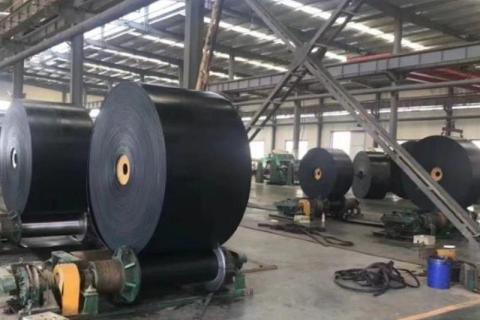
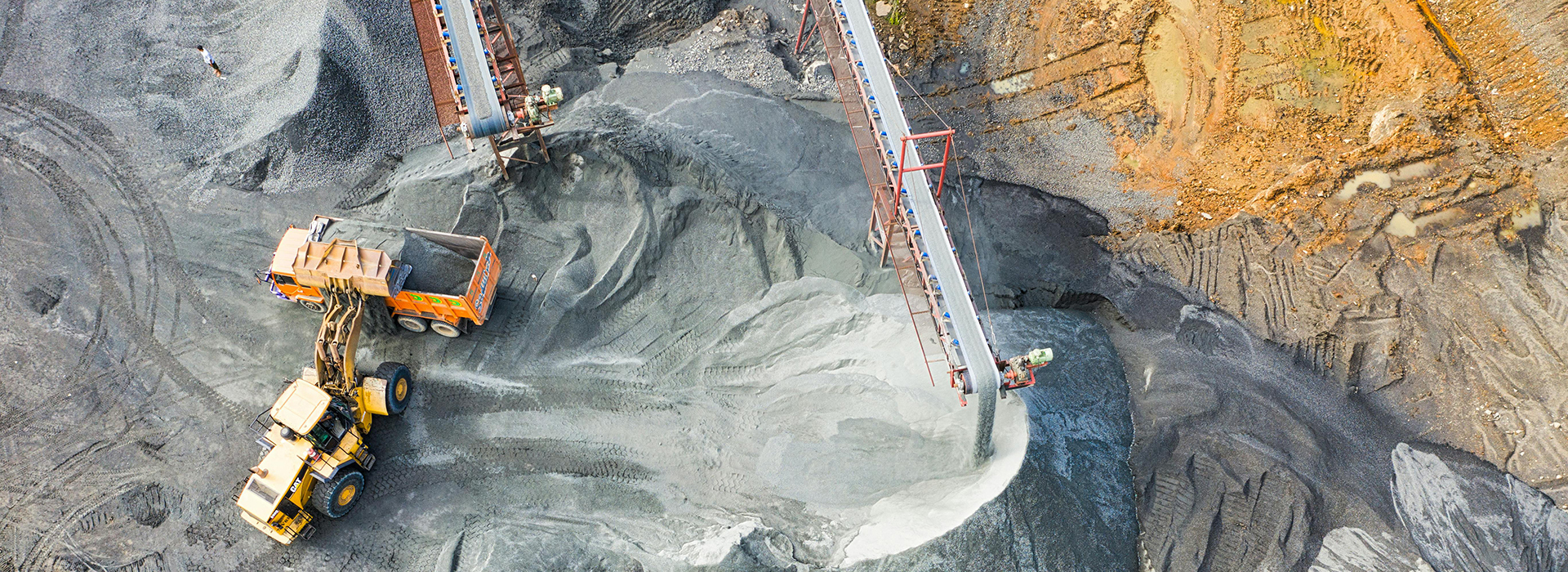
Traditional mining transportation methods have problems such as low efficiency, harsh working environment, and easy equipment damage during mining and resource transportation. Impact resistant conveyor belt can solve these problems. Conveyor belts for mining industry is a kind of transportation equipment designed for the mining industry. It uses conveyor belts to quickly transport materials such as ore, coal, sand and soil from the mining area to the processing, storage or transportation site. Coal mining conveyor belt not only improves work efficiency, but also improves the working environment of the mine and reduces the risk of operation.
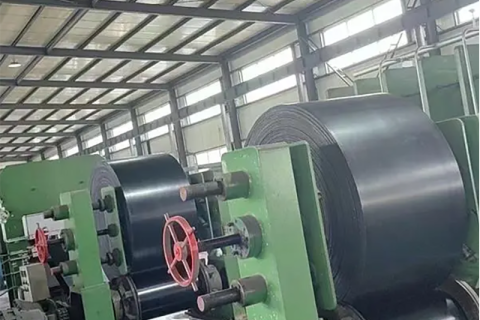
Nowadays, nylon conveyor belts and ordinary canvas conveyor belts are the most widely used, and there are certain connections and differences between the two, so can you distinguish the difference between the two in terms of practical application and functional performance?
Our high resistance conveyor belt adopts a concave herringbone design, which is a conveyor belt designed to improve transportation stability. The surface of the high resistance conveyor belt is a unique concave herringbone pattern, which can effectively increase friction, prevent materials from sliding or scattering, and make the transportation process safe and reliable. Therefore, the high resistance conveyor belt is particularly suitable for inclined transportation scenarios of 30 to 45 degrees.