


Wire Rope Conveyor Belt vs. Fabric Conveyor Belt: Which One Should You Choose?
2026-01-28 08:38In heavy-duty material handling, the choice of conveyor belt directly affects system efficiency, safety, and long-term operating costs. When deciding between a Steel Cord Reinforced Conveyor Belt and a nylon fabric conveyor belt, it’s important to consider several key performance indicators.
Core Technical Comparison:
Here’s a side-by-side overview of the main physical properties to help you quickly see the differences:
| Feature | Steel Cord Reinforced Conveyor Belt | Nylon Fabric Conveyor Belt |
| Carcass Material | High-strength steel cords | Multi-layer nylon fabric |
| Conveying Distance | Suitable for long-distance, large-span transport | Ideal for medium to short distances, complex routes |
| Elongation | Extremely low | Relatively low |
| Flexibility | Excellent dynamic performance, suitable for high-intensity operation | Good flexibility, adapts well to curves and corners |
| Structure | Simple structure, easy to inspect | Multi-layer design, thick and wear-resistant |
| Special Resistance | Tear-resistant, anti-mold, anti-rodent, anti-aging | Chemically resistant, performs well under heavy load |
| Maintenance | Easy to inspect and repair | Modular design, easy to install and maintain |
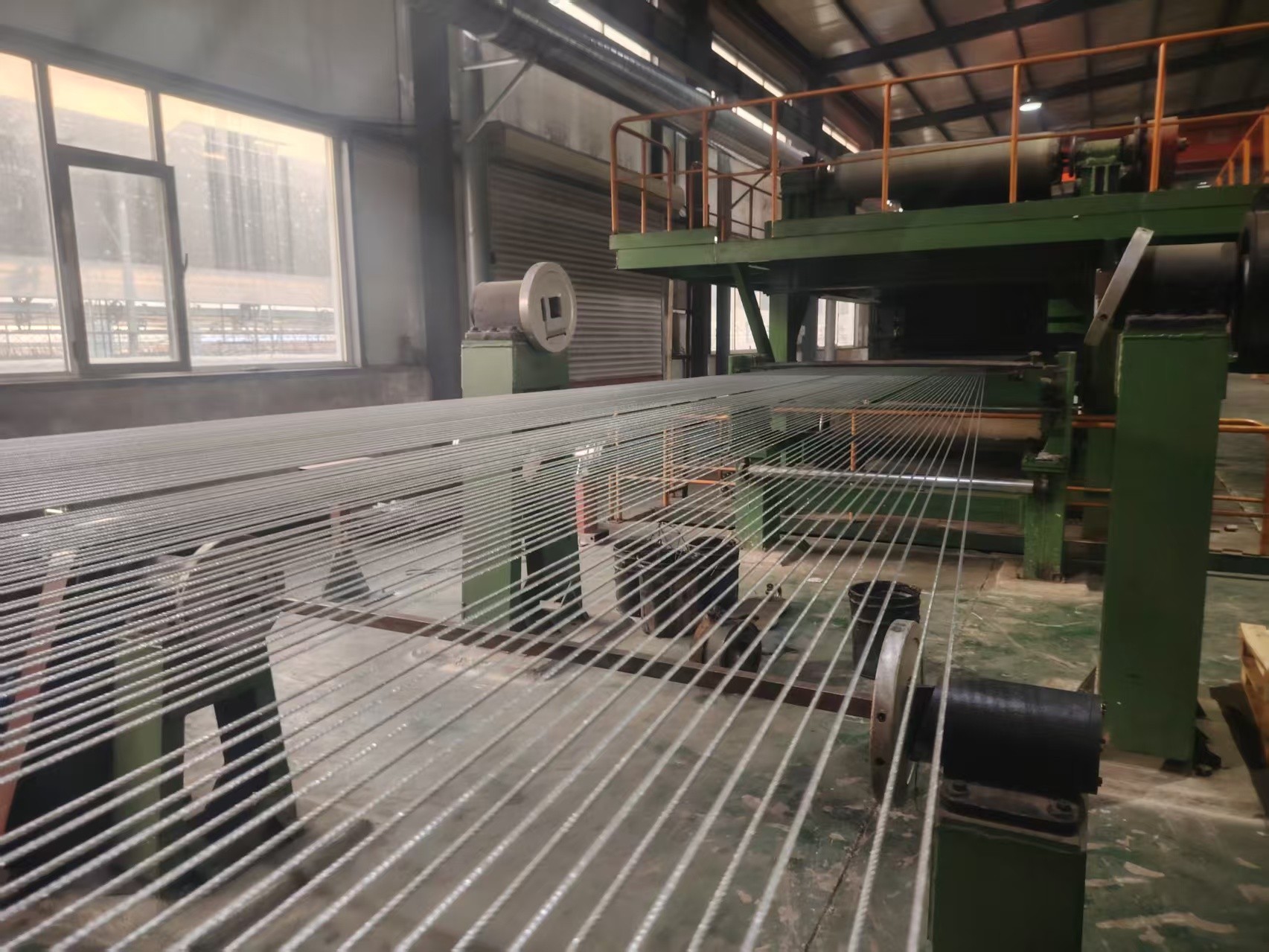
Steel Cord Reinforced Conveyor Belt: Key Structure and Performance.
The Steel Cord Reinforced Conveyor Belt consists of core rubber, steel cords, cover layers, and edge rubber, manufactured with precision engineering.
· High tensile strength & low elongation: The high-strength steel cords at the core provide excellent safety for long-distance and large-span transport. Low elongation reduces the time required for belt tension adjustments, improving overall system efficiency.
· Reliability under demanding conditions: Our tear-resistant technology ensures performance under tough operating conditions. The tight bonding between steel cords and rubber provides excellent resistance to mold, rodents, aging, and heat.
· Maintenance & customization: Despite its high load capacity, the belt’s simple design makes daily inspection and repair easy. We can also fully customize specifications based on your specific requirements.
Multi-Layer Nylon Fabric Conveyor Belt: Wear-Resistant, Flexible, and Adaptable.
Nylon fabric conveyor belts use multi-layer nylon fabric as the core, offering a high-strength, adaptable solution widely used in heavy-duty material handling systems.
· Wear-resistant multi-layer structure: The layered fabric design increases belt thickness and improves abrasion resistance. Even under prolonged heavy-duty operation, it resists stretching and deformation.
· Excellent flexibility and adaptability: The nylon belt runs smoothly around curves and corners, making it ideal for systems with limited space or complex layouts.
· Cost-effective and easy to maintain: Modular design allows for easy installation and replacement. Compared to traditional materials, multi-layer fabric belts are more durable, reducing downtime and lowering operating costs.
How to Choose?
Opt for a Steel Cord Reinforced Conveyor Belt if:
· Your materials need to travel long distances or across large spans (e.g., mountainous mines or long port conveyors).
· You want to minimize downtime caused by belt elongation and reduce tension adjustments.
· The application requires high tensile strength.
Opt for a Nylon Fabric Conveyor Belt if:
· Your conveyor system includes many curves or a complex layout.
· You want higher cost-effectiveness and simple, modular maintenance.
· Materials have some chemical exposure or require frequent belt specification changes.

Customer Feedback:
Our products have been exported worldwide for years, earning broad recognition:
· Coal Mining Industry: “The transport environment in our mines is tough. Since switching to your tear-resistant conveyor belts, downtime has been significantly reduced, and system stability has improved dramatically.”
· Large Steel Plant: “As a steel manufacturer, we require belts that can withstand high temperatures and abrasion. Your nylon fabric belts perform well under heavy loads without premature wear or breakage, making them a reliable long-term partner.”
We strictly control the quality of every batch of conveyor belts. Each meter undergoes rigorous testing, including tensile and wear resistance, to ensure compliance with international standards.
No matter the material handling challenge, our team provides full sales and technical support. If you’re unsure which conveyor belt is right for your application, contact us — we’ll provide a custom solution tailored to your material characteristics, operating speed, and environment.