


What Causes Conveyor Belt Breaks?
2026-01-30 11:33Many companies, when facing a belt break, often first question the quality of the conveyor belt itself. However, industry data and on-site inspections show that, after ruling out product defects, over 85% of belt failures are caused by harsh operating conditions or poor maintenance.
Here, we’ll break down six key reasons for conveyor belt failures, helping businesses prevent issues at the source and extend the life of their equipment.
Sharp Objects and Material Impact:
In mines and bulk cargo terminals, conveyor belts often carry a variety of materials. One of the most direct causes of belt failure is the presence of sharp objects.
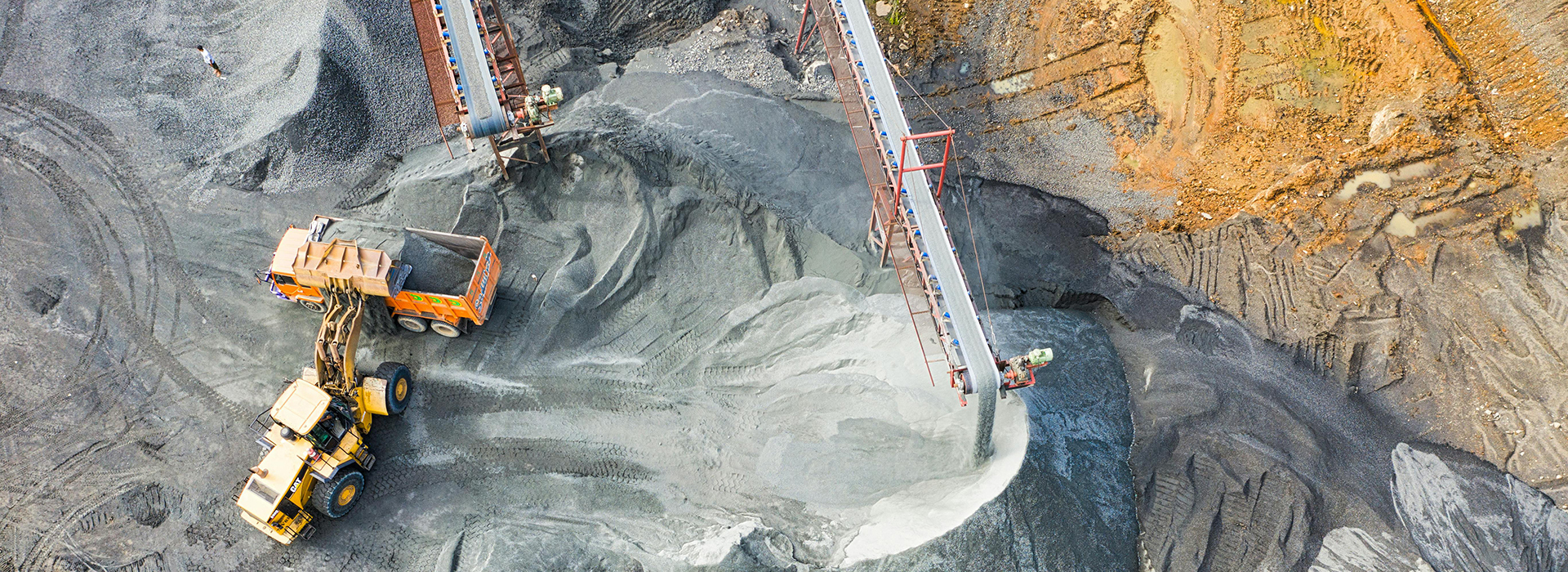
· Object penetration: Materials like coal gangue, scrap metal, iron pieces, or large sharp rocks can pierce the belt during high-speed drops. If they get stuck on rollers or frames, continuous operation can tear the belt apart.
· High-drop impact: If the drop height is significant (sometimes 5–10 meters) and no proper cushioning system is in place, heavy materials can hit the belt directly. Even a high-strength Nylon fabric conveyor belt can develop internal wear and micro-tears in its steel cord or fabric layers under repeated impact.
Hard Starts and Material Jams:
In industrial conveyor systems, the biggest risks come from running under abnormal conditions—especially hard starts or material blockages.
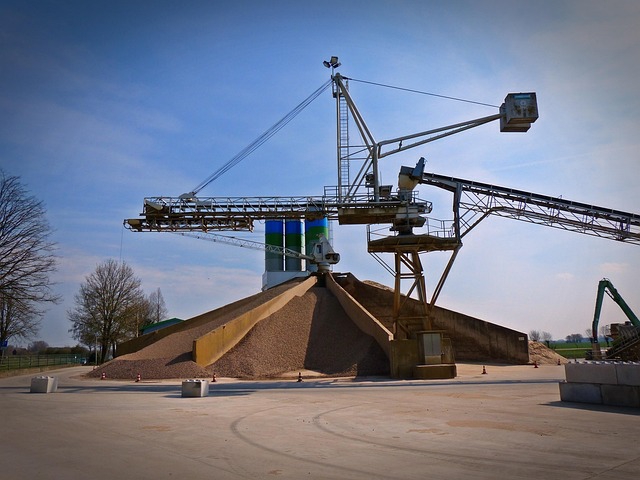
· Hopper Blockages: When the discharge point or transfer stations get seriously blocked, material can pile up and suddenly put much more load on the belt than it’s designed to handle. If the drive motor keeps running under this condition, the belt tension can easily exceed its safety limits.
· Frequent Starts Under Full Load: After an unplanned stop, if the belt is loaded with heavy material and restarted immediately, the motor’s startup torque creates strong dynamic stress on the belt. These pulse-like forces are a common cause of splice failures or weak points breaking.
Belt Misalignment Can Cause Breaks:
Misalignment is one of the most common problems with conveyor belts, but many operators don’t realize how closely it’s linked to belt failure.
When a Nylon fabric conveyor belt shifts severely, its edges can rub violently against the equipment frame. Over time, this friction wears away the edge rubber, exposing the internal core (steel cords or fabric layers) to the air. Once the core loses protection, moisture and chemicals can seep in, leading to corrosion of the steel cords. Even a small corroded section can snap when passing over the drive roller.
Lack of Regular Maintenance:
Serious belt failures are rarely sudden; they usually result from long-term neglect. Many issues appear early but aren’t addressed in time.
· Aging splices: The weakest point on a conveyor belt is the splice. If the edge rubber cracks or peels and isn’t treated with secondary vulcanization, moisture can penetrate, separating the rubber from the steel cords and eventually causing the splice to pull apart, leading to a break.
· Idler failure: When many idlers stop rotating, contact changes from rolling friction to sliding friction. This increases operational resistance and generates heat, softening the belt bottom locally, reducing the overall strength of the Flat Nylon Conveyor Belt, and raising the risk of failure.
How to Prevent Conveyor Belt Failures:
· Install foreign object detection: Add magnets and sensors at the feed end to catch metals and other debris.
· Optimize the buffering system: Use impact beds instead of idlers at high-drop points.
· Introduce digital monitoring: Use X-ray systems to check for steel cord corrosion or internal breaks in real time.
· Standardize operating procedures: Avoid frequent startups under load, and ensure regular inspection of belt alignment and cleaners.