



Is PU More Durable Than PVC in Conveyor Belt Materials?
2026-01-24 09:21When choosing a conveyor belt material, one of the most common questions buyers ask is: “Is a PU conveyor belt always more durable than a PVC conveyor belt?”
The honest answer is: not necessarily. Durability depends on the actual application—working conditions, load type, contact media, operating temperature, and budget.
Many people equate “durable” with “long service life,” but in real conveyor belt applications, durability includes much more than that. It covers abrasion resistance, chemical resistance, oil resistance, temperature range, tear strength, and overall maintenance cost. PU and PVC each have clear strengths, and in many chemically exposed environments, a PVC conveyor belt can actually be the more practical and longer-lasting choice.
Conveyor Belt Material Comparison: PU vs PVC.
| Item | PU Conveyor Belt | PVC Conveyor Belt |
| Abrasion resistance | Very high | Good (sufficient for light to medium loads) |
| Chemical resistance (acids, alkalis, cleaners) | Moderate (strong acids/alkalis may degrade PU) | Excellent |
| Oil & grease resistance | Excellent (little impact from edible or mechanical oils) | Moderate to good (oil-resistant PVC formulations perform well) |
| Temperature range | -30°C to +90°C (higher for special grades) | -10°C to +70°C (stable at normal temperatures) |
| Hydrolysis & ageing resistance | Standard PU may hydrolyze in humid environments; improved grades are available | More stable; resists humidity and UV ageing |
| Tear & cut resistance | Excellent (high elasticity, strong cut resistance) | Moderate (good performance with multi-ply construction) |
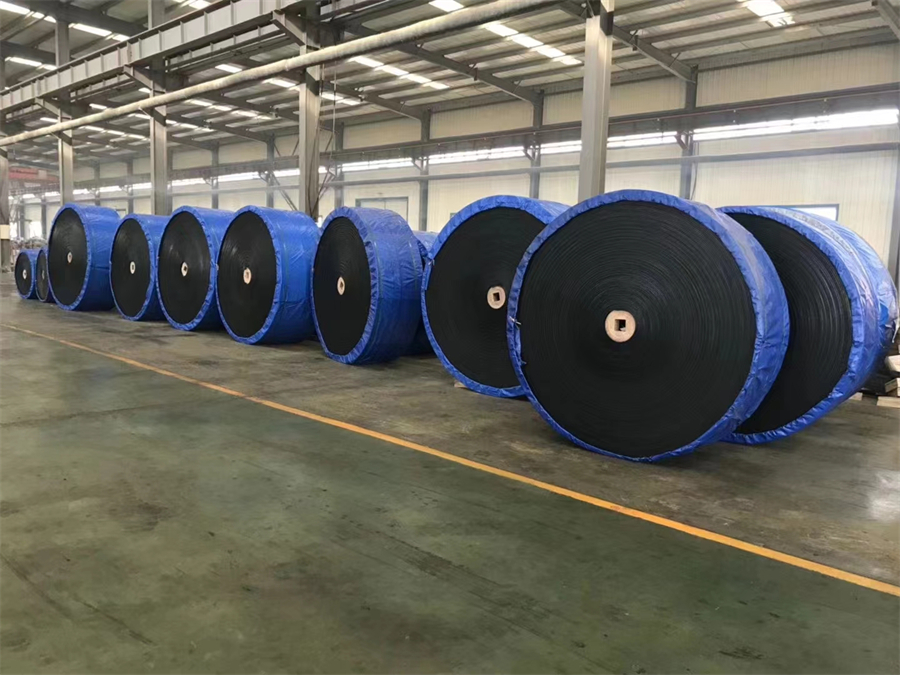
When Is PVC Actually “More Durable” and Worth Choosing First?
Packaging, logistics, e-commerce sorting, and warehouse lines.
In these applications, the wear-resistant layer of the PVC conveyor belt is more than sufficient to handle everyday friction. It is lightweight, flexible, and easy to install and adjust.
Chemical handling, washing lines, and pharmaceutical auxiliary conveying.
PVC has excellent resistance to weak acids, alkalis, cleaning agents, and disinfectants. Long-term exposure rarely causes softening, cracking, or degradation. In contrast, PU can deteriorate faster under strong chemical exposure or frequent washdowns. In these environments, PVC often maintains structural integrity longer and reduces downtime.
Humid workshops and general industrial environments.
In factories with moisture, steam, or water exposure, PVC tends to be more stable. Traditional PU can suffer from hydrolysis over time, leading to surface powdering or cracking, while PVC resists humidity and aging more effectively. For long-term stability in damp conditions, PVC is often the safer choice.
Budget-sensitive or large-scale production lines.
PVC belts are generally more affordable, widely available, and easy to process. Features such as guides, sidewalls, cleats, and profiles can be added easily, making a PVC conveyor belt ideal for large-volume projects where cost control and reliability matter.
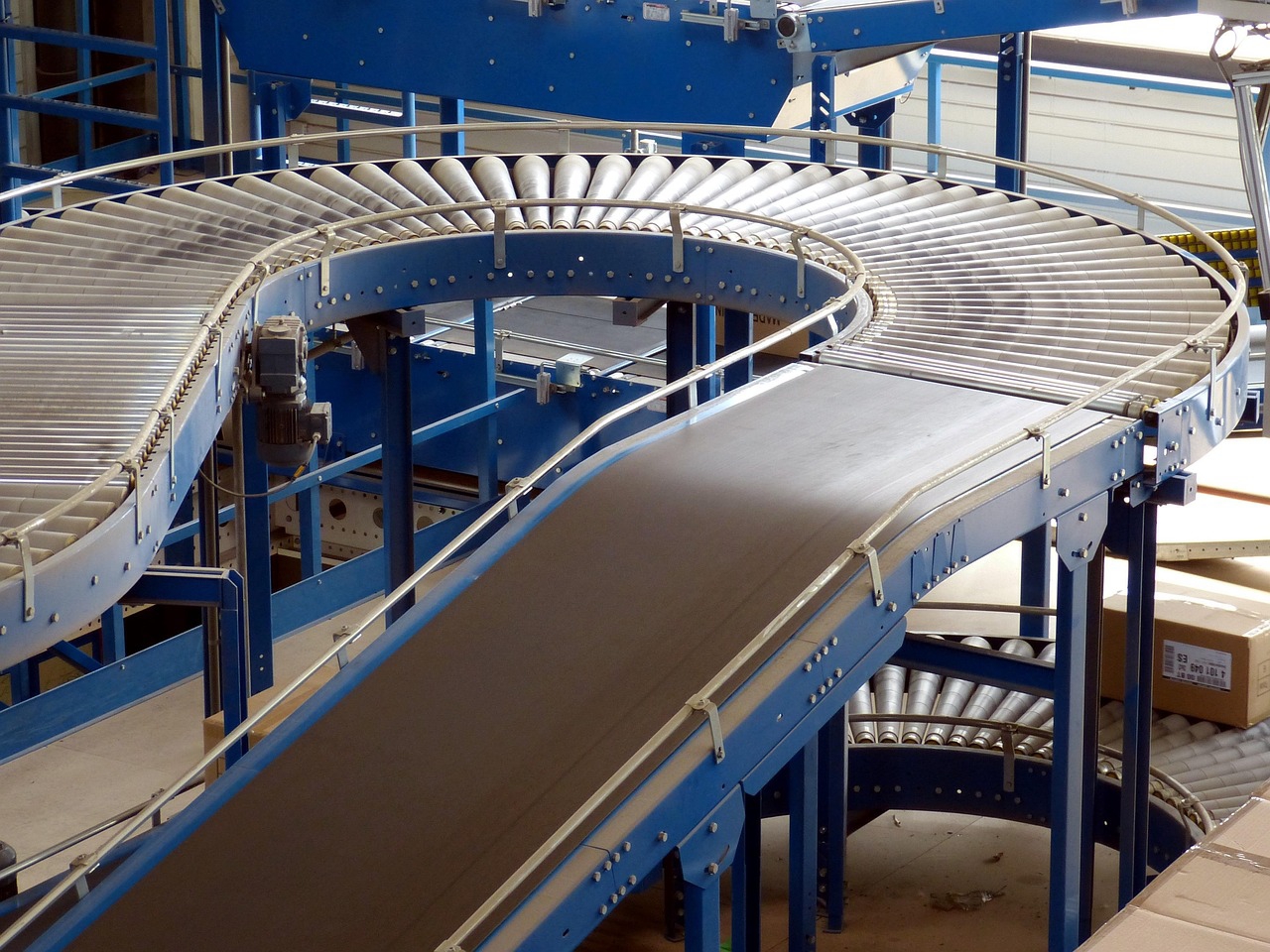
Where PU Truly Excels?
PU is clearly superior in strict food-contact applications, oily environments, cold-chain logistics, and low-temperature operations. In these cases, PU belt life can be 1.5 to 3 times longer than PVC. But if your application doesn’t fall into these demanding categories, PVC’s balance of stability, durability, and cost often makes it the preferred option in real-world purchasing decisions.
Practical Buying Advice:
Before choosing a material, understand your actual operating conditions:
· Is the load heavy or light to medium?
· Is there strong acid/alkali exposure or frequent chemical cleaning?
· Are temperatures extreme?
· Is the budget tight?
· Are hygiene standards very strict?
If most of your answers point to light or medium load, chemical exposure or cleaning, normal temperature, humid conditions, and budget priority, then PVC is likely the more durable and suitable solution for your conveyor system.
Choosing the right material isn’t about what’s “better” on paper—it’s about what works best in your real application.