


Types of Conveyor Rollers and Their Applications
2026-01-23 10:05In modern manufacturing, logistics, warehousing, ports, mining, and building materials industries, conveyor rollers are some of the most basic yet critical components in any material handling system. They directly affect line stability, durability, noise levels, energy consumption, and overall operating costs. In many cases, the performance of an entire conveyor line depends on choosing the right type of roller from the start.
So what are the main types of conveyor rollers, and where are they best used? Below is a clear, practical overview to help buyers select the right solution and avoid costly mistakes.
1. Classified by Drive Method: Powered vs. Non-Powered.
Gravity Rollers:
The most classic and cost-effective option. These rollers require no external power and rely on gravity or a slight incline to move goods.
Key features: Simple structure, low maintenance, zero energy consumption, flexible installation.
Common materials: Galvanized steel, stainless steel, plastic (PVC/HDPE), aluminum.
Typical applications:
E-commerce picking lines, manual sorting areas, end-of-line packing buffers, temporary transfer lines, light to medium cartons or totes with flat bottoms. Best suited for downhill conveying at a 3°–5° slope.
Powered Rollers:
Driven by motors, chains, belts, or built-in drives, powered rollers allow horizontal, uphill, and controlled-speed conveying.
Chain-driven rollers:
Roller ends are fitted with sprockets and linked by chains, delivering strong traction.
Advantages: High load capacity, impact resistance, suitable for irregular or heavy loads.
Applications: Heavy pallets, automotive parts, building materials, drums, tires, and mining applications.
Belt-driven rollers:
Driven by round belts or flat belts from below or the side for smoother transmission.
Advantages: Low noise, smooth operation, easy maintenance, ideal for medium loads and speeds.
Motor-driven rollers (MDR):
Each roller or roller group has a built-in brushless DC motor, supporting zone control, zero-pressure accumulation (ZPA), and smart start/stop.
Advantages: Energy-efficient (runs only when products are present), quiet, modular, easy to integrate into automation systems.
Applications: Automated warehouses, parcel sorting centers, airport baggage systems, pharmaceutical cold chain, and intelligent e-commerce lines.
Line-shaft driven rollers:
A single shaft drives multiple rollers via O-belts or polyurethane belts.
Advantages: Balanced cost and flexible layout, suitable for standard conveying tasks.
2. Classified by Material and Special Functions.
Steel Rollers:
The most common and durable option is available with galvanized, chrome-plated, or stainless surfaces.
Applications: Heavy industry, mining, ports, steel mills, and construction material handling. Many systems also combine steel rollers with a conveyor belt idler design for stable belt support.
Plastic or Polymer Rollers:
Lightweight, corrosion-resistant, low-noise, non-stick, with food-grade options available.
Applications: humid or corrosive environments, and light-duty logistics.
Rubber-Coated Rollers:
Rubber or polyurethane-coated surfaces increase friction, reduce slipping, and provide cushioning.
Applications: Fragile items, glass, precision electronics, printing and packaging lines where surface protection is critical.
HDPE Composite Rollers:
Steel tubes combined with engineered plastic bearing housings for strength, corrosion resistance, and low rolling resistance.
Applications: Ports, coal mines, fertilizer plants, salt fields, and other harsh environments with long service-life requirements. Often used as part of heavy-duty conveyor belt idler assemblies.
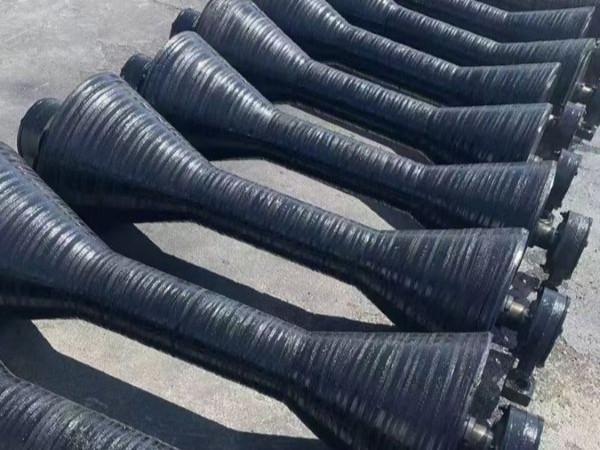
Tapered Rollers:
Different diameters at each end create a natural guiding effect through curves.
Applications: Curved conveyor sections, 90° or 180° turns, pallet direction changes.
Impact / Cushion Rollers:
Equipped with thick rubber rings or spring structures to absorb shock.
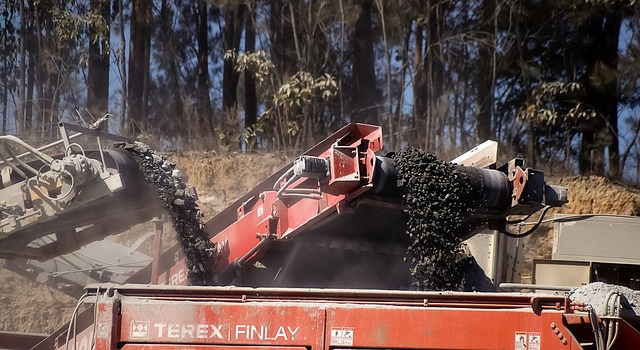
Applications: Loading zones, ore or coal drop points, protecting belts and rollers from impact damage.
Troughing Roller Sets:
Used in groups (typically 3–5 rollers) to form a trough shape, increasing bulk material capacity.
Applications: Belt conveyors in mining, ports, and aggregate plants for long-distance bulk handling, where a well-designed conveyor belt idler system is essential.
3. How to Choose the Right Roller: 4 Key Factors Buyers Should Consider?
Load weight:
Light loads → plastic rollers or MDR.
Medium loads → belt-driven rollers.
Heavy loads → chain-driven or heavy-duty steel rollers.
Operating environment:
Wet or corrosive → stainless steel or HDPE.
Explosion-risk areas → certified explosion-proof motors.
Speed and distance:
High speed or long distance → MDR or belt-driven systems.
Short distance → gravity rollers are often sufficient.
Material characteristics:
Fragile or scratch-prone → rubber-coated rollers.
Large bulk materials → impact rollers.
Irregular loads → heavy-duty chain-driven rollers.
Conveyor belt idlers may look like small components, but they largely determine the efficiency and service life of an entire conveyor system. Whether you’re aiming for cost control with gravity rollers or advanced automation with MDR solutions, the right choice should always be based on real operating conditions, load requirements, environment, and future expansion plans.
If you’re planning a new conveyor system or upgrading an existing line, feel free to contact us for professional selection advice, sample testing, or custom solutions. We offer a complete range of conveyor rollers—from light-duty to heavy-duty—to help your operation run more efficiently and reliably.
High-quality conveyor rollers start with the right selection.