

3 Simple Steps Mining Conveyor Belt Manufacturers Recommend for Belt Selection
2025-12-11 10:56You can pick the right conveyor belt for mining by using three easy steps: check what your work needs, match the belt details, and ask skilled experts. Choosing the right belt helps your equipment last longer, saves money, and keeps things running well. Mining conveyor belt manufacturers use their knowledge to guide you and help you not make expensive mistakes. You should respect their help and trust them for success over time.
Key Takeaways
Look at what your work needs by knowing the materials you will move, what they are like, and the site conditions. This information helps you pick the right conveyor belt.
Make sure the belt matches what you need. Think about belt size, strength, cover type, and pulley diameter. These things help the belt work well.
Talk to mining conveyor belt manufacturers for expert help and special solutions. Their advice can stop expensive mistakes and make your conveyor system work better.
Choose manufacturers who give good after-sales support. Good support keeps your conveyor system working well and helps you fix problems fast.
Assess Operational Needs
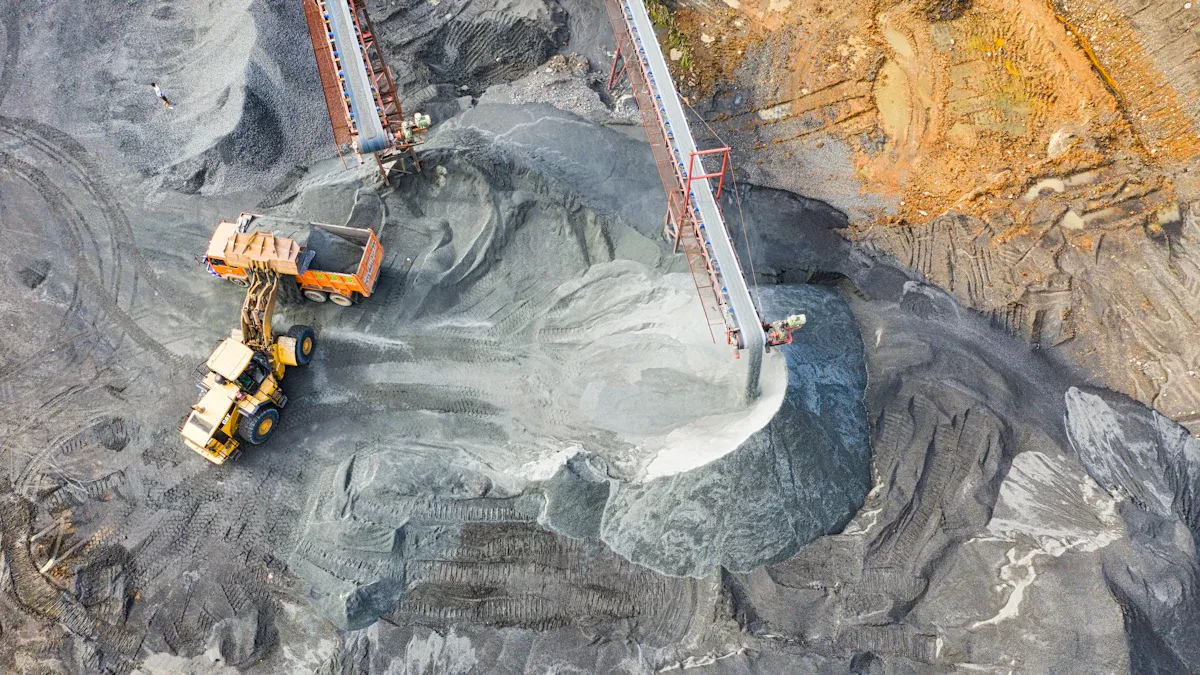
To pick the right conveyor belt, you must know what your site needs. Look at the materials you move and how much you move. Think about where you work. Mining conveyor belt manufacturers say you should check these things before you choose.
Material Properties
You need to find out what material you will carry. Some materials are sharp, heavy, or sticky. Others are fine powders or big rocks. Each material can change how the belt works. Sharp rocks can cut the belt. Sticky things can build up and slow it down. You should also think about moisture and temperature. If you move hot or wet things, you might need a special belt.
Tip: Write down the size, weight, and feel of your main materials. This helps you pick a belt that lasts longer and works better.
Throughput and Load
You must know how much material you want to move. You also need to know how fast you want to move it. Throughput means how much you move in a set time. Load is the weight the belt must carry. If you move heavy loads or need high speed, you need a stronger and wider belt. If the belt is too small or weak, it can break or wear out fast.
Check the most weight your belt will carry.
Measure the speed you need for your work.
Think about how often you use the conveyor.
Site and Environmental Factors
Where you use the conveyor belt can change what type you need. Some places are very hot, cold, or wet. Chemicals in the air or ground can hurt the belt. You should look at all these things before you choose.
Here is a table that shows how different site factors change belt performance and which coating works best:
If your site is very hot or has chemicals, a polyurethane coating can help your belt last longer. This coating keeps the belt safe from heat, cold, and chemicals.
Checklist for Operational Assessment:
What material will you move?
How much and how fast will you move it?
What are the site conditions (temperature, moisture, chemicals)?
What is the needed pulley diameter?
What belt size fits your system?
You can use this checklist to collect all the important facts. Mining conveyor belt manufacturers use this information to help you pick the best belt for your job.
Match Belt Specifications
You need to match the belt specifications to your site needs. This step helps you avoid problems and keeps your conveyor running well. Mining conveyor belt manufacturers say you should look at belt size, strength, cover type, and pulley diameter.
Belt Size and Strength
You must choose the right belt width, thickness, and length. A wide belt can carry more material. A thick belt lasts longer when you move sharp or heavy loads. The length depends on the distance your conveyor covers. You also need to check the strength rating. A strong belt will not snap or stretch under heavy loads.
Tip: Write down the maximum load and speed your conveyor will handle. Use this information to pick a belt with the right strength.
Cover Type and Compatibility
You should pick a cover that matches your material and site. Some covers resist heat, oil, or chemicals. Others stop cuts and tears. If you move sharp rocks, choose a tough cover. If your site has chemicals, use a chemical-resistant cover. You must also check if the belt fits your current system. The belt should match the rollers and frames you already have.
Here is a table to help you choose the right cover:
Pulley Diameter Considerations
You need to check the pulley diameter. A small pulley needs a flexible belt. A large pulley can use a thicker belt. If you pick the wrong size, the belt can crack or slip. Always measure your pulleys before you order a new belt.
Note: Mining conveyor belt manufacturers can help you check these details. They know how to match belts to your system.
Consult Mining Conveyor Belt Manufacturers
Custom Solutions and Expert Advice
You should talk to mining conveyor belt manufacturers before you decide. These experts can make solutions that fit your site and problems. For example, NEPEAN makes custom systems for special needs. They do not just use old products. They have made wet brake systems for coal mines underground. They also use new drives that help work go faster. Kinder Australia is another company. They have belt cleaners for both big and small materials. These cleaners use special springs and tensioning for better cleaning and easy care.
When you work with mining conveyor belt manufacturers, you get more than a product. You get advice on how to install and look after your conveyor. They also help you keep it working well. Many manufacturers help you quickly if you have a problem. This support stops long waits and keeps your site safe.
Tip: Ask for a visit to your site or a custom check. Manufacturers can find problems you may not see. They can suggest the best belt for your job.
After-Sales Support and Trust
You should pick mining conveyor belt manufacturers who give good after-sales help. Good companies give warranties and help with their products. They want to build a long-term relationship with you. They want you to feel happy and sure about your choice.
Here is a table that shows what good manufacturers offer:
Long-term help from mining conveyor belt manufacturers makes your work more reliable and cheaper. Some companies help recycle old belts. This helps the environment and cuts down waste. Others give ideas that save time on repairs and make air cleaner at your site.
You should also think about trust and being responsible. The best manufacturers care about safety and quality. They work closely with you. They respect your values and want to build strong partnerships. If you choose a trusted partner, you get better products, faster help, and a safer place to work.
If you build a good relationship with your manufacturer, you get help at every step, from picking a belt to keeping your system working for many years.
You can pick the right mining conveyor belt in three steps. First, look at what your work needs. Then, find a belt that matches those needs. Last, talk to manufacturers you trust. These steps stop you from making expensive errors. They also help your site work well every day. If you are not sure, ask experts for help. Good advice from manufacturers helps you do well for a long time and feel calm.
Remember: Picking carefully and getting expert help makes your conveyor system safer and helps it work better.
FAQ
What is the most important factor when choosing a mining conveyor belt?
You must know your material type and site conditions. These affect belt strength, cover type, and size. If you choose the wrong belt, you may face breakdowns or high costs.
How often should you check your conveyor belt?
You should inspect your belt every week. Look for cuts, tears, or build-up. Early checks help you spot problems before they stop your work.
Can you use one belt for all materials?
No, you cannot. Each material needs a different belt. Sharp rocks need tough covers. Chemicals need special coatings. You should match the belt to your material.
Why does pulley diameter matter?
Pulley diameter affects belt flexibility and life. Small pulleys need flexible belts. Large pulleys can use thicker belts. Always measure your pulleys before you buy a belt.