


- Home
- >
News
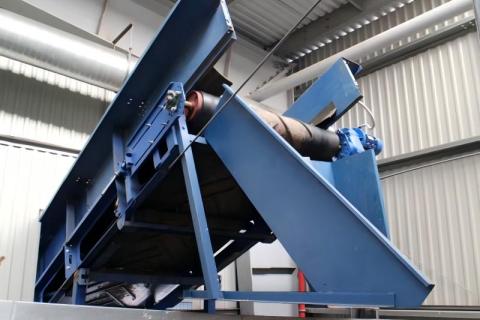
In mining, power, and cement industries, many safety risks come from unnoticed conveyor belt aging. As materials weaken over time, an aging Rubber Belt can cause breakage, slippage, fire hazards, and higher maintenance risks.
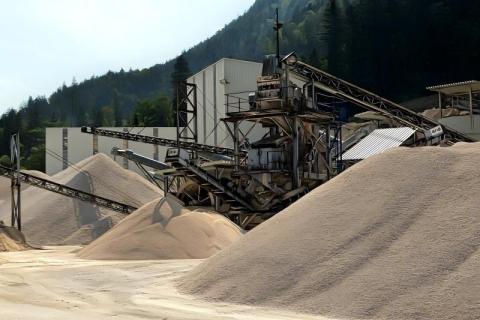
This article explains why Herringbone Rubber Belts are increasingly used in the aggregates industry. It highlights their anti-slip design, suitability for steep inclines, heavy-duty durability, lower lifecycle costs, typical applications, and the value of customized engineering solutions.
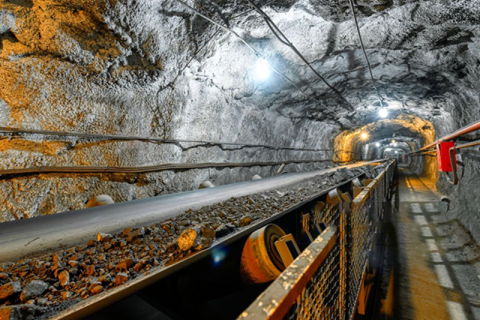
Is unexpected conveyor downtime draining your budget? Learn how premium abrasion-resistant belts can reduce maintenance costs by 30%. We analyze the Total Cost of Ownership (TCO) and reveal why "cheap" belts are the most expensive choice for industrial plants.
We will deepen and differentiate the article from the following dimensions to make it a truly technical industry guide:
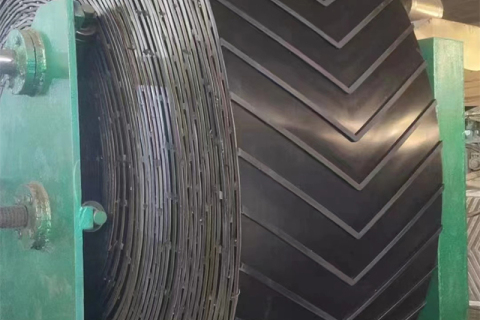
A chevron rubber belt is a conveying product featuring a special herringbone pattern on its surface. Compared to ordinary flat conveyor belts, its greatest advantages lie in its anti-slip and high-angle conveying performance. Therefore, it is widely used for the continuous transport of bulk, bulk, and bagged materials. As a key component in industrial production systems, chevron rubber belts play a vital role in improving conveying efficiency, ensuring operational safety, and reducing maintenance costs in industries such as mining, building materials production, grain transportation, and ports.
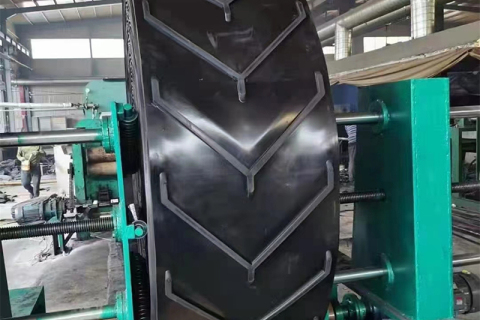
Common problems in conveying bulk and bagged materials include slippage, reduced efficiency, and even safety risks. Chevron rubber belts, with their unique herringbone pattern design, effectively address these issues. Chevron rubber belts improve conveying angles while ensuring stable material flow, making them an ideal choice for industries such as mining, building materials, agriculture, and logistics.
When purchasing industrial rubber belts and related accessories for your business, we understand that you're not only choosing the right product, but also placing a high level of trust in your supplier. You may be considering:
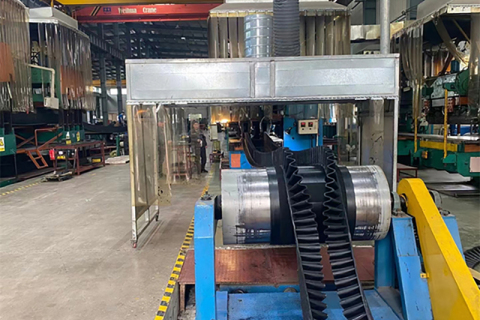
In modern industrial production, rubber conveyor belts, as key transmission equipment, are widely used in mining, metallurgy, building materials, ports, and other fields. With industrial upgrades and increased automation, companies are increasingly demanding higher performance and quality from rubber conveyor belts. However, with a multitude of rubber belting suppliers on the market and varying product quality, selecting the right industrial rubber belting supplier is a crucial step in a company's procurement process.