

Herringbone Rubber Belt Becomes a New Choice for Material Handling in the Aggregates Industry
2026-02-01 13:33Material handling in the aggregates, mining, and construction stone industry comes with typical challenges: heavy loads, continuous operation, and complex environments. Materials like gravel, crushed stone, and ores are irregular in size, abrasive, and difficult to handle. On site, production lines often face:
· Conveyors that need to span significant height differences.
· Outdoor or semi-outdoor environments with frequent rain and dust.
· Long hours of continuous operation, where downtime is costly.
Under these conditions, conventional flat belts often suffer from material slipping, spillage, and accelerated wear. This not only impacts output but also increases maintenance frequency and overall operational costs.
What is a Herringbone Rubber Belt?
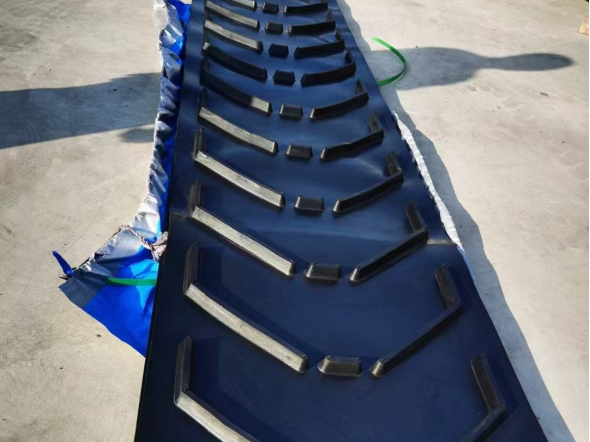
A Herringbone Rubber Belt, also called a V-pattern conveyor belt, features continuous V-shaped patterns on its surface. This design isn’t just for looks; it increases the friction between the belt and the material, helping materials stay stable during horizontal or inclined transport and preventing side movement or slipping.
Compared to ordinary flat belts, Herringbone Rubber Belts are particularly suitable for loose or rolling materials and perform exceptionally well on inclined surfaces.
Why More Aggregates Producers Are Choosing Herringbone Rubber Belts?
· Reliable anti-slip performance:
The V-shaped ridges grip materials tightly during transport. Even in wet, muddy, or dusty conditions, materials stay on the belt, reducing spillage and operational interruptions. This makes them ideal for rainy seasons or outdoor mining sites.
· Handles steeper conveyor inclines:
Herringbone Rubber Belts can run stably at steeper angles than standard belts. This flexibility allows production lines to optimize layout, reduce transfer points, and save floor space and structural costs.
· Better for continuous, heavy-duty operation:
With robust carcass structures and wear-resistant rubber composites, these belts maintain stability under long-term heavy loads, supporting 24/7 production with minimal interruptions.
· Lower total operating costs:
Longer service life, fewer maintenance requirements, and reduced risk of downtime make Herringbone Rubber Belts a cost-effective choice over their lifecycle.
Comparison: Herringbone Rubber Belt vs. Flat Belt.
| Feature | Conventional Flat Belt | Herringbone Rubber Belt |
| Anti-slip performance | Moderate | High |
| Suitable incline | Low | High |
| Wet/muddy material handling | Limited | Stable |
| Material spillage | High | Low |
| Typical use | Horizontal or slight incline | Inclined, heavy load |
This comparison shows that Herringbone Rubber Belts are not replacing flat belts but are a better fit for steep, heavy-duty material handling common in aggregates production.
Typical Applications:
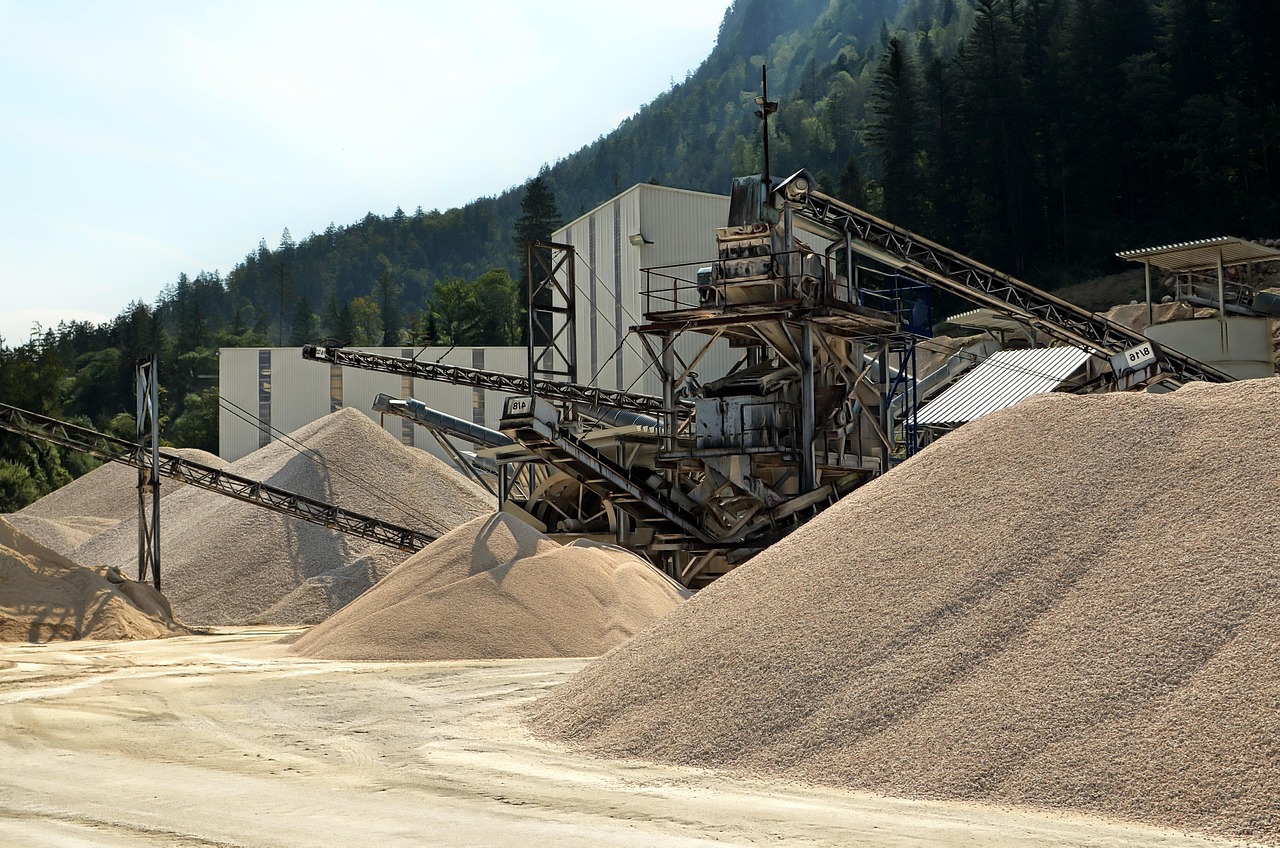
Herringbone Rubber Belts are widely used in:
· Mining and quarrying: transporting coal, ores, crushed stone, and aggregates up inclines
· Sand and cement production: medium- to long-distance transport of post-crushing materials
· Construction material processing: moving wet or uneven particle-size materials
· Energy and chemical applications: continuous transport of powders or granules
All these scenarios require conveyors that are stable, durable, and capable of long-term operation.
Key Technical Parameters:
| Parameter | Range / Description |
| Belt width | 300 – 1800 mm |
| Herringbone height | 6 – 50 mm |
| Maximum incline | Approx. 16° – 45° |
| Carcass structure | Fabric or steel cord |
| Operating temperature | Ambient to 80–120°C (optional heat-resistant version) |
| Standards | DIN / ISO / GB |
In real projects, belt specifications need to be tailored to material characteristics, load, incline, and operating environment.
Customization and Engineering Support:
There’s rarely a “one-size-fits-all” solution when selecting a Herringbone Rubber Belt. Belt width, length, herringbone height, and rubber properties all affect performance and lifespan.
Our company has extensive engineering experience and can provide customized solutions based on specific site conditions. From material assessment to belt dimensions and herringbone design, we ensure stable performance across varying inclines, loads, and environments. For large-scale aggregates operations, we also support end-to-end conveyor system integration, helping production lines run more efficiently and reliably.
Usage and Maintenance Tips:
To maximize the performance of a Herringbone Rubber Belt:
· Inspect the belt surface and joints regularly for wear.
· Keep the belt clean to prevent debris accumulation.
· Adjust tension properly to ensure stable operation.
· Confirm that the belt specification matches the operating temperature.
Following these maintenance practices, combined with professional site evaluation, can extend belt life and reduce downtime and service costs.
Conclusion: From “Functional” to “Optimal”.
As the aggregates industry moves toward larger-scale, continuous production, conveyor reliability and adaptability have become increasingly important. Herringbone Rubber Belts are not just an upgrade—they are an engineering solution designed for challenging conditions.
With our capability to provide custom design and engineering support, aggregates producers can optimize conveyor layouts, minimize operational risk, and achieve more efficient and stable material handling. Herringbone Rubber Belts are steadily becoming a preferred choice for transporting materials in the aggregates industry, offering a combination of performance, durability, and operational efficiency.