


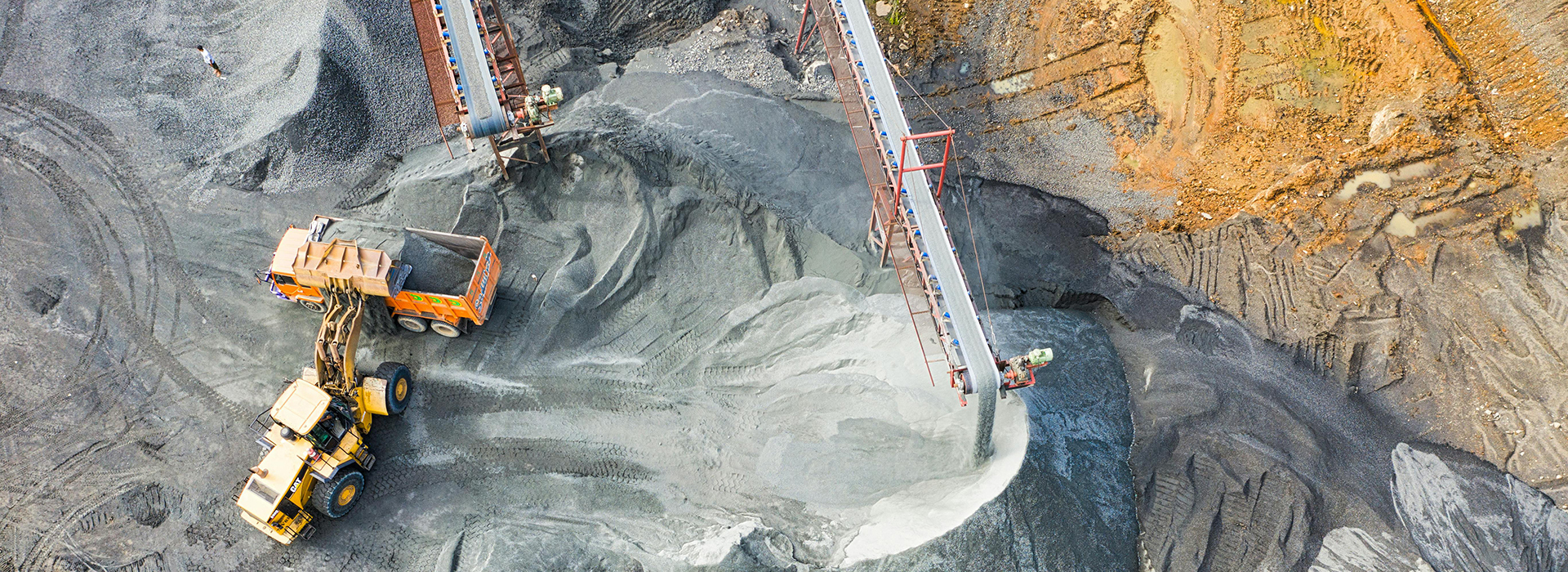
Why Heat Resistant Conveyor Belts Are Crucial for High-Temperature Material Handling
2026-01-14 09:30In high-temperature industries like cement, steel, metallurgy, and coking, material handling directly affects production efficiency and safety. Materials such as cement clinker, sintered ore, or hot coke can reach temperatures of 300–800℃. Ordinary conveyor belts in these conditions age quickly, crack, or even break, causing downtime, material spillage, and potential fire hazards.
A heat resistant conveyor belt, designed specifically for high-temperature environments, can ensure continuous production, reduce maintenance costs, and improve overall safety. Liaoning Hengyi Rubber Machine Belt Manufacturing Co., Ltd. specializes in producing high-quality heat resistant conveyor belts. Here, we’ll explore the key advantages of these belts and provide expert guidance to help buyers choose reliable products.
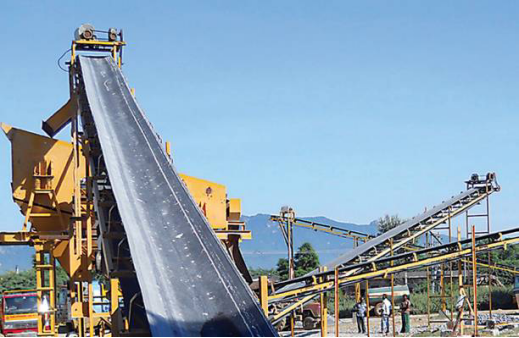
Challenges and Risks in High-Temperature Material Handling:
Rapid cover rubber aging: High temperatures can harden the rubber, cause cracks, and reduce mechanical strength.
Carcass deformation or breakage: Thermal shocks can make the belt’s core shrink, weaken interlayer adhesion, and increase the risk of belt failure.
Safety hazards: Spillage of hot material can lead to fires or burns, posing serious risks to personnel.
Using a professional heat resistant conveyor belt can reduce these risks and keep production lines running smoothly.
Types and Technical Parameters of Heat Resistant Conveyor Belts:
| Grade | Code | Test Temperature (Max) | Short-Term Max Operating Temp | Material Temp Range | Typical Cover Rubber |
| I | T1 | 100℃ | 150℃ | ≤150℃ | SBR |
| II | T2 | 125℃ | 170℃ | 150–200℃ | EPDM |
| III | T3 | 150℃ | 200℃ | 200–400℃ | EPDM |
| IV | T4 | 175℃ | 400℃ | 400–800℃ (short) | Special high-temp rubber |
Hengyi’s heat resistant conveyor belts cover the full T1–T4 range. The core uses cotton canvas or polyester canvas reinforced with rubber, and the upper and lower surfaces are coated with special high-temperature rubber. The belts are vulcanized under high heat for tight adhesion that resists cracking.
Key Features:
Multi-layer cushioning: Multiple core layers protect the material during transport, maintaining quality.
Excellent heat resistance: Special high-temp rubber maintains mechanical strength and chemical stability, resisting acids, alkalis, and oils.
Eco-friendly: Made with environmentally safe materials.
Enhanced structure: Strong and durable, able to withstand heavy pressure and friction, with a service life 2–4 times longer than ordinary belts.
Lightweight design: Reduces energy consumption and equipment load, improving efficiency.
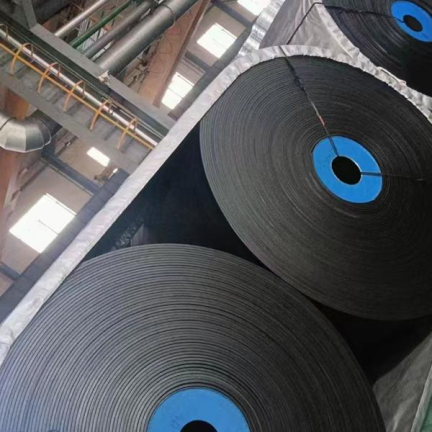
Typical Applications:
Cement industry: Transporting hot clinker at 300–600℃.
Steel and metallurgy: Conveying sintered ore, hot coke, and slag.
Coking & building materials: Moving coke and hot castings with heat and wear resistance.
Other industries: Foundries, chemical plants, and other high-temperature solid material handling.
Liaoning Hengyi has supplied heat resistant conveyor belts to numerous large enterprises and exported products to multiple countries, earning wide recognition. We offer customized solutions for your high-temperature conveying needs. Contact us for a quote or sample testing—we look forward to helping you achieve safer and more efficient production.