


A Complete Breakdown of Steel Cord Conveyor Belt Advantages
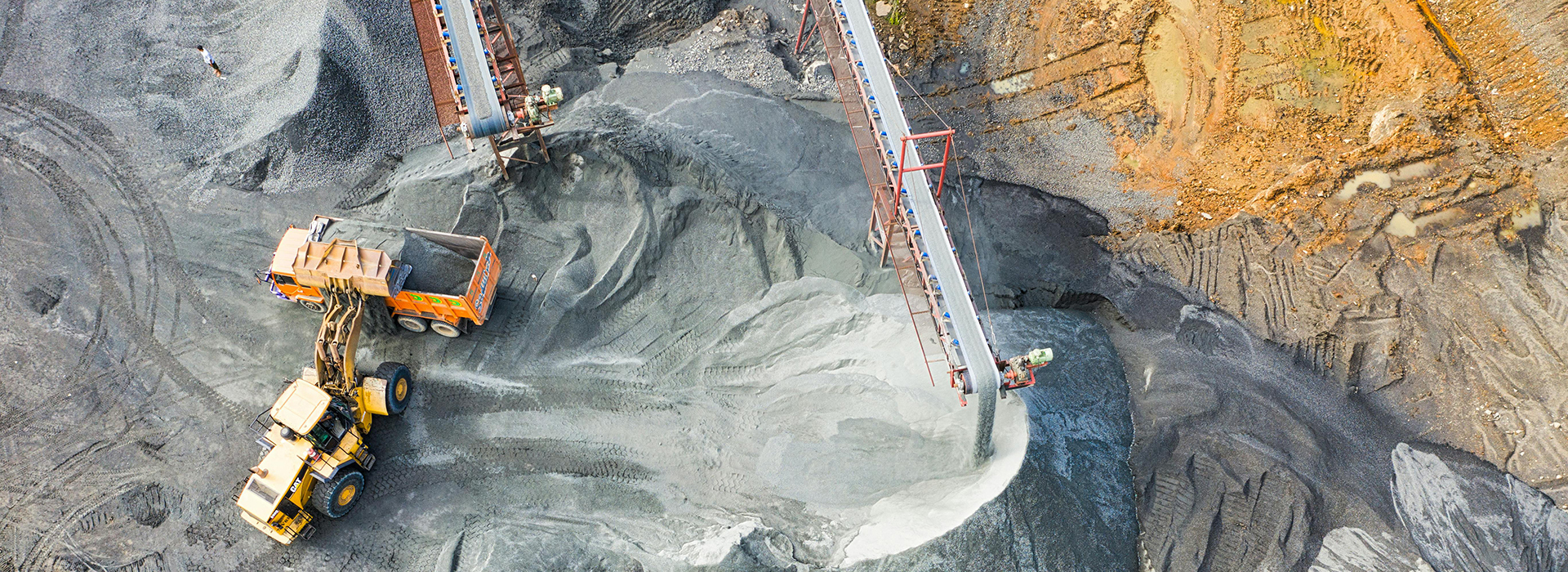
2026-01-13 09:52In bulk material handling, the conveying system is the “heart” of the entire operation. When your project stretches over 30 kilometers, or when heavy ore needs to be lifted hundreds of meters vertically, traditional fabric conveyor belts often reach their limits.
Hengyi steel cord conveyor belts are specifically designed to solve two common industry challenges: excessive belt elongation and impact-related damage.
Why switch to steel cord belts?
Key advantages of steel cord construction:
Minimal elongation under load:
Steel cord carcasses significantly reduce belt stretch, making them suitable for conveying distances beyond 500 meters and even up to 30 kilometers in large-scale mining projects.
Excellent impact energy absorption:
The reinforced cushioning layers not only carry heavy materials but also absorb impact energy from large and sharp rocks, helping protect the belt structure from internal damage.
Ideal for vertical lifting applications:
In vertical conveying systems, tensile forces increase dramatically. Thanks to their high strength and structural stability, steel cord belts are widely used as a steel cord belt for bucket elevator systems, where consistent tension and reliability are critical.
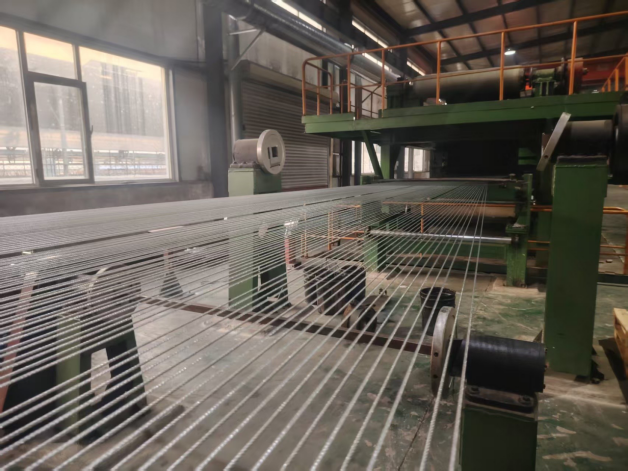
Technical specifications:
To help with proper belt selection, below is a reference table of commonly used steel cord belt grades and parameter.
| Strength Grade | Longitudinal Strength (N/mm) | Max Cable Diameter (mm) | Cord Pitch (mm) | Belt Weight (kg/m²) | Typical Application |
| ST630 | 630 | 2.8 | 10.0 | 16–18 | Short-distance mining |
| ST1000 | 1000 | 3.6 | 12.0 | 20–22 | Port & terminal handling |
| ST2000 | 2000 | 5.2 | 15.0 | 30–34 | Heavy coal conveying |
| ST3150 | 3150 | 7.2 | 18.0 | 42–46 | Long-distance overland |
| ST5400 | 5400 | 11.0 | 25.0 | 65–70 | Deep mining & vertical lift |
Note: Belt widths are fully customizable (up to 2.4 meters and beyond), with rubber compounds available in heat-resistant, fire-resistant, and acid-resistant grades.
Typical operating conditions for steel cord conveyor belts:
Steel cord belts are not required for every system. However, they become the preferred solution in the following situations.
Persistent belt elongation problems:
Standard fabric belts often show noticeable elongation once conveying distances exceed 500 meters. This leads to slippage, increased motor load, and unstable system performance.
Frequent belt failures or longitudinal tears:
Large material size and high drop heights create strong impact forces. Over time, this can cause repeated belt damage. In these cases, steel cord belts — including steel cord belt for bucket elevator applications — provide much better resistance to fatigue and tearing.
Rising maintenance and replacement costs:
If belts or key components need to be replaced every few months, operating costs quickly add up. Steel cord belts offer superior fatigue resistance and typically last 3–5 times longer than conventional fabric belts, significantly reducing maintenance expenses.
When steel cord belts make the most sense:
If your current conveyor system suffers from excessive stretch, repeated belt damage, or high maintenance costs, upgrading to a steel cord solution may be the most cost-effective long-term choice. This is especially true for high-tension systems and vertical conveying setups such as a steel cord belt for bucket elevator, where reliability and strength are non-negotiable.
If you share your operating details — such as conveying distance, material type, and throughput — we can recommend a suitable belt specification and provide a technical proposal.
Hengyi is committed to helping make your conveying systems more stable, efficient, and easier to maintain. Feel free to contact us anytime for technical support and discussion.