


- Home
- >
News

You have to think about a few key things when you pick a rubber conveyor belt. The table below shows what is most important:

Confused by specifications? We compare ply options, material compatibility (Oil/Chemical), and safety standards. Find the exact belt spec that fits your mining, food, or logistics application.
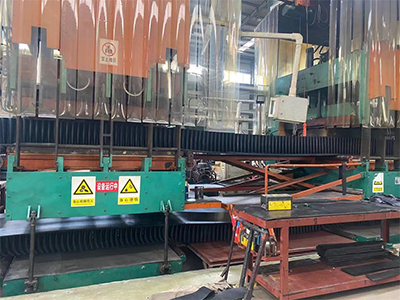
You want your machines to keep working. Good Rubber Conveyor Belts help stop sudden problems. Heat-resistant Rubber Conveyor Belts help your line keep moving. You do not have to fix things as much. You save money because you do not buy new Rubber Conveyor Belts often. Many factories say they have fewer stops with better belts.
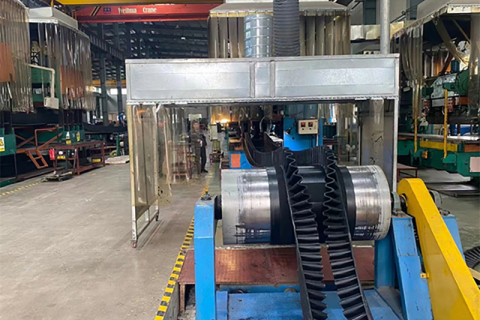
When you pick rubber conveyor belt manufacturers, you help your production line work well. Good belts keep things running and stop expensive breaks. High-quality belts do more than just move things. They help carry more, use less energy, and make work safer. New technology and good customer support mean the belts last longer and need less fixing. What you choose affects not just the price, but also the total cost and how well your whole operation works.
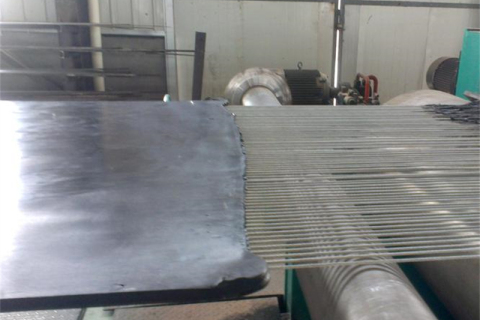
1. Service Life Definition: The service life of an Industrial Conveyor Belt refers to the total operating time or total output of the belt under specified working conditions from its initial use until it needs replacement due to wear, aging, or other reasons.
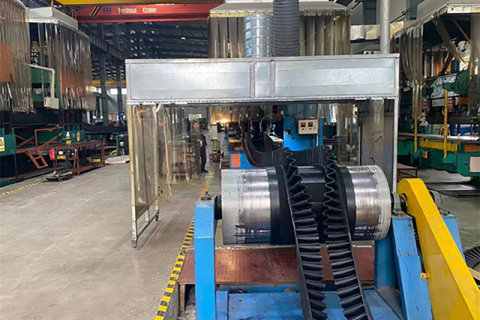
You may find standard conveyor systems effective for horizontal or gently inclined transport over long distances. These systems allow you to control speed and process, which helps reduce the risk of product damage. Independent power zones can minimize downtime if a motor fails. However, you must consider the significant space requirements and the lack of flexibility in warehouse layouts. Standard conveyors often require infrastructure changes and are not portable, which can complicate future adjustments.
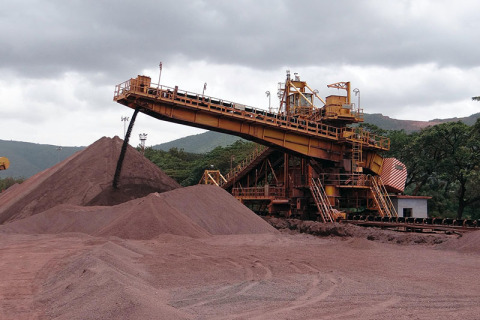
You want your logistics center to work fast and right. Automated rubber conveyor systems help sort many packages every hour. These systems move things to the correct spot with few mistakes. You can sort boxes, bags, and odd-shaped packages easily. Your team does not have to sort by hand, so you save money and keep everyone safe.
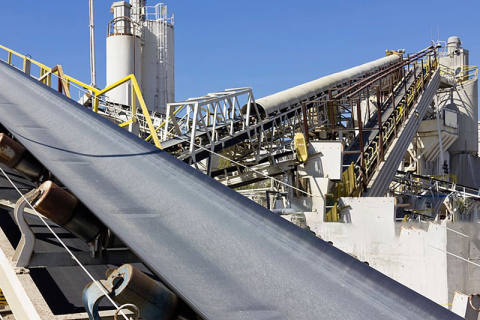
You can find automated rubber conveyor systems in many industries. These include e-commerce, food processing, automotive, mining, and pharmaceuticals. These systems change how materials are moved.
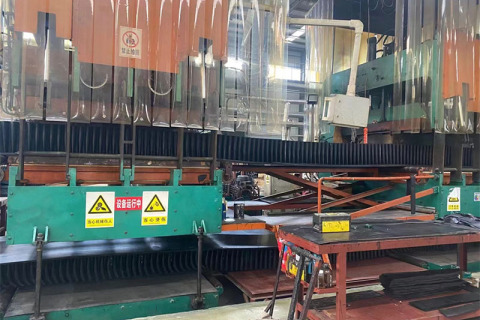

New conveyor belts: Last longer and come with a full warranty. You can change them to fit your needs. They cost more and may take longer to get, especially if you need a special size.

When you want to buy a conveyor belt, first learn about your work. Pick a belt that matches your materials and space. Some buyers make mistakes. They forget about bulk material properties. They only think about the first price. They do not check if the belt fits their space. You should think about how well the belt works over time. You should also think about how long it will last. Write down what you need. Look at different choices. Check suppliers closely. Do not rush. Get all the facts before you decide.
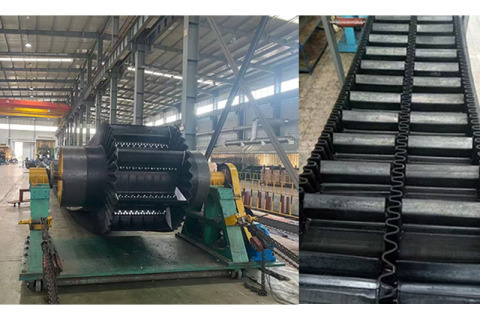
You need a conveyor that matches your material’s properties. Steep angle sidewall systems handle a wide range of materials, from fine powders to large aggregates. You can choose the belt base material, cleat type, and sidewall height to fit your needs.