


- Home
- >
- News
- >
- Product News
- >
News
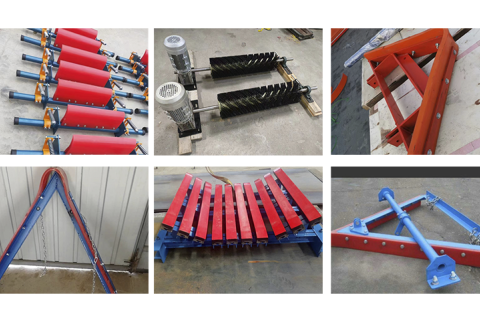
In modern industrial production, conveyor belt systems play a crucial role. Whether used in mining, chemicals, food processing, or manufacturing, conveyor belt systems help improve production efficiency and ensure materials are transported quickly and safely. To ensure the smooth operation of conveyor belt systems, associated components such as conveyor belt idlers, conveyor belt scraper types, and other key parts are essential. This article explores these key components and their roles in the conveyor belt system, helping businesses select the most suitable equipment.
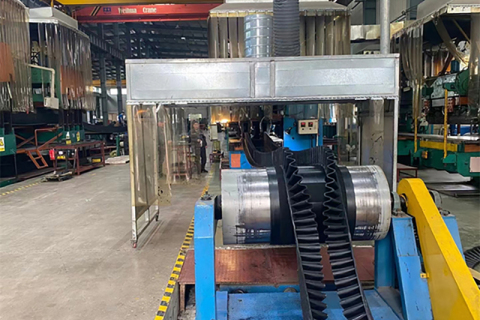
In modern industrial production, rubber conveyor belts, as key transmission equipment, are widely used in mining, metallurgy, building materials, ports, and other fields. With industrial upgrades and increased automation, companies are increasingly demanding higher performance and quality from rubber conveyor belts. However, with a multitude of rubber belting suppliers on the market and varying product quality, selecting the right industrial rubber belting supplier is a crucial step in a company's procurement process.
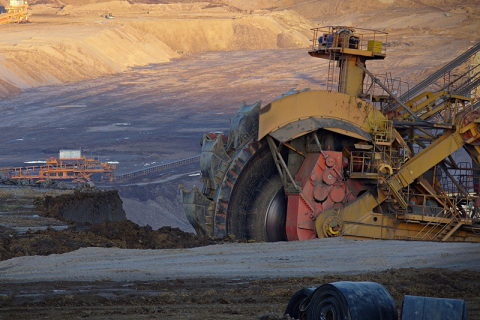
Demand for conveyor belts is primarily concentrated in the mining, port, metallurgy, power, chemical, and building materials sectors. Industry leaders such as Bi-State Rubber, Cambelt, and SKE Industries continue to lead the industry's technological evolution with innovative hot vulcanization processes, one-piece molding technology, and high-performance materials.
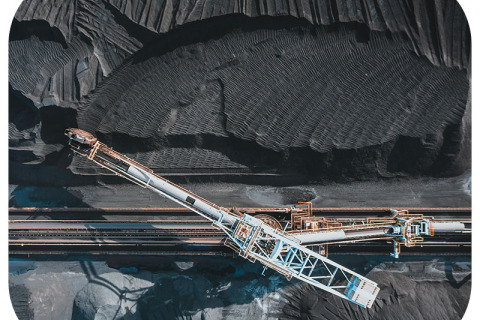
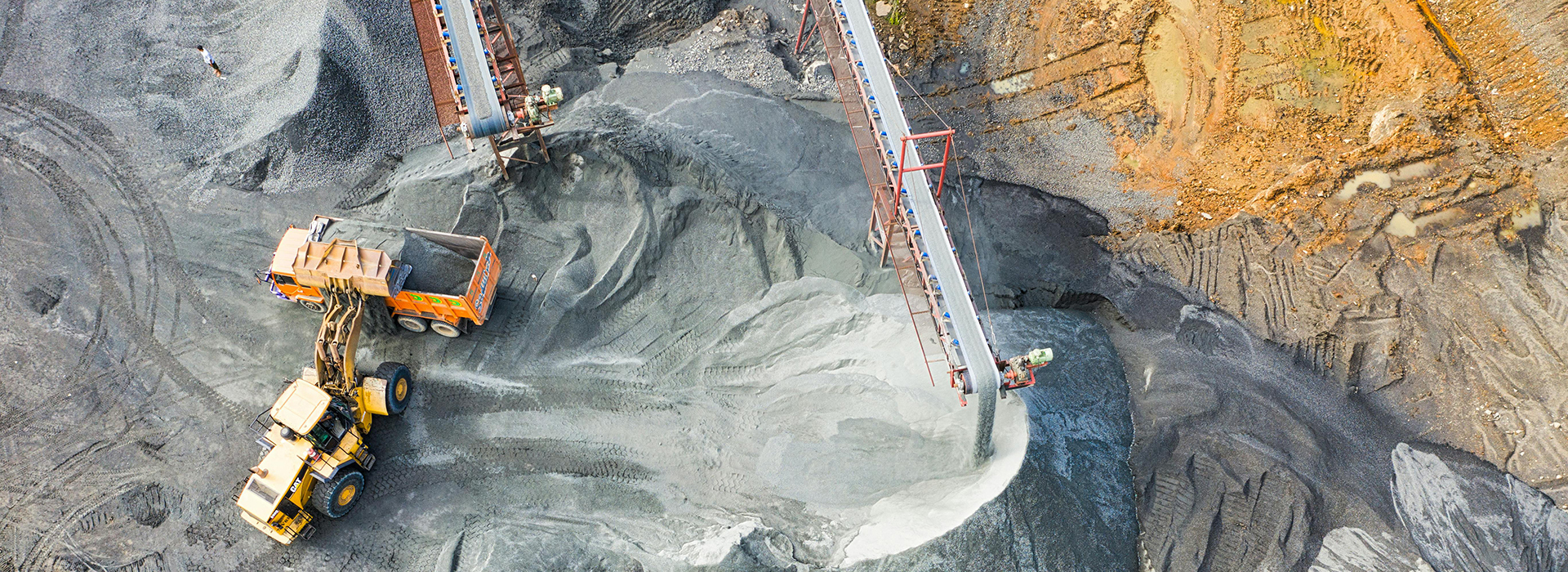
In the mining industry, efficient material handling is key to operational success. One of the most crucial components in any mining process is the mining conveyor belt. Whether you're involved in coal mining, ore extraction, or transporting other materials, having a reliable conveyor system can greatly enhance your productivity. If you're looking for a mining conveyor belt for sale, this guide will help you navigate your options while ensuring you make an informed decision based on your specific needs.
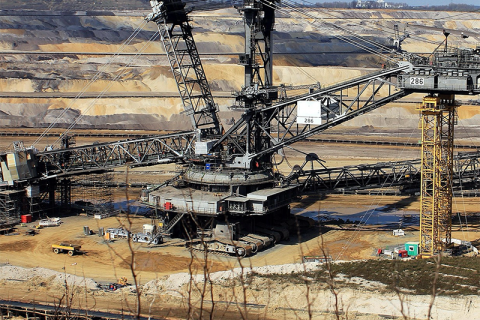
Heavy-duty nylon conveyor belts are widely used in mining, metallurgy, chemicals, power generation, ports, and other heavy industries, playing a crucial role in the transportation of bulk cargo. This article will provide a detailed analysis of the operating speed, conveying angle, capacity, and lifting efficiency of heavy-duty nylon conveyor belts, and provide optimization solutions to help companies improve production efficiency and reduce operating costs.
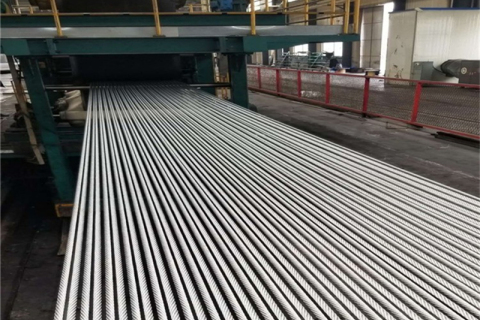
Due to the harsh working environment underground in coal mines, which contains gas and coal itself is flammable, the primary consideration when selecting a conveyor belt is ensuring safe and stable coal transportation. Underground conveyor belts must be flame-retardant and have obtained safety markings and production licenses.
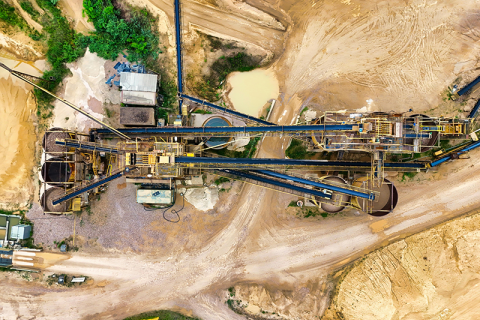
Generally speaking, for a given Conveyor belt speed, the conveying capacity of a belt conveyor increases with belt width. The conveyor belt must be wide enough to prevent large lumps of bulk and powdered materials from being loaded against the belt edge. Furthermore, the internal dimensions of the feed chute and the distance between the guide troughs must be sufficient to allow mixtures of various particle sizes to pass without clogging.
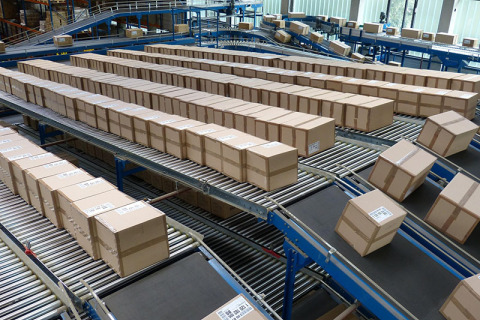
Reality: Conveyor belts are used in heavy industrial environments such as mines, steel mills, and coal yards, transporting heavy materials in harsh environments. Recommendation: Choose a high-strength, thicker, multi-layer nylon conveyor belt (such as a 3-ply or 5-ply structure). This type of belt can effectively withstand heavy loads and has strong tensile strength and impact resistance. It is also recommended to choose a belt with a more wear- and tear-resistant surface material to extend its service life.
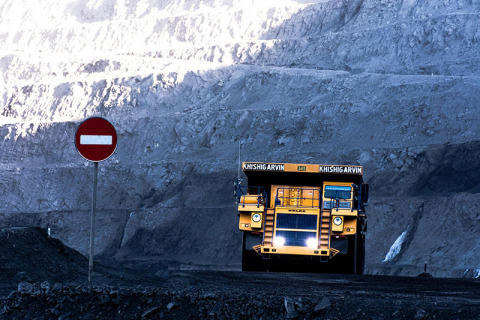
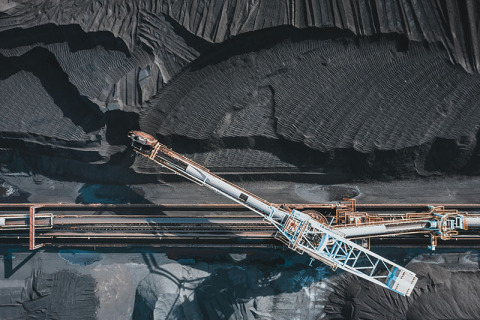
3. Conveyor belts with uneven diameters due to machining errors, coal sticking, or uneven wear on the outer surface of the pulley can cause the belt to deviate toward the larger diameter. This is known as "running larger instead of smaller." The belt's traction force Fq generates a force component Fy that moves toward the larger diameter. This force component Fy causes the belt to deviate. The solution for this situation is to clean the coal sticking to the pulley surface. If machining errors or uneven wear are present, the pulley should be replaced and re-laminated.
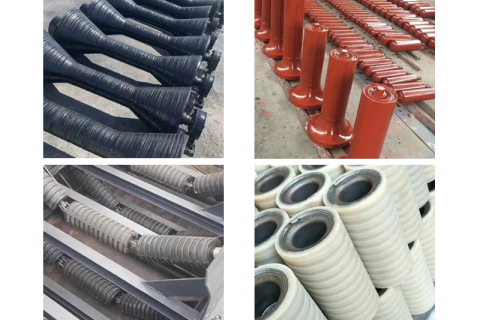
A drive roller is typically installed at the head of a conveyor belt. It is driven by a motor to drive the conveyor belt, thereby conveying materials. Drive rollers have high torque and power, fully capable of providing sufficient power. They are primarily suitable for long-distance, high-speed conveying routes.
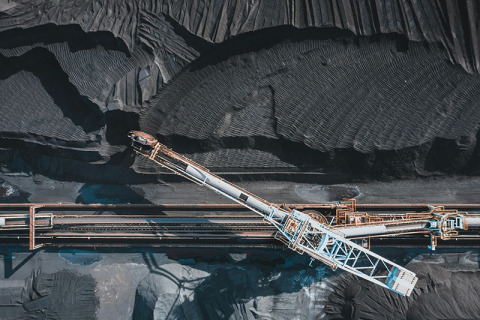
Belt conveyors are essential equipment in coal transportation systems, and their safe and stable operation directly impacts the coal supply to power generators. Belt deviation is the most common belt conveyor failure, and timely and accurate treatment is crucial for its safe and stable operation. Deviation can manifest and cause a variety of problems, and different adjustment methods are required to effectively resolve the issue.