



Why Heavy-Duty Logistics Systems Often Choose Nylon Conveyor Belts
2026-02-09 08:54In port logistics, automated distribution centers, industrial production lines, and heavy bulk material handling systems, conveyors usually operate under high loads, long distances, and continuous running conditions. For operators, a conveyor belt is not just a consumable part—it directly affects system stability, uptime, and long-term operating costs.
That is why, among many conveying solutions, the Nylon conveyor belt is widely used in heavy-duty logistics systems and has proven to be a mature and reliable choice across industries.
Heavy-duty operating conditions define belt selection.
Heavy-duty logistics systems rarely involve a single requirement. In real applications, they often combine several demanding conditions at the same time.
Port logistics and bulk material handling require strong load capacity and good impact resistance.
Warehousing and automated sorting systems focus more on stable conveying and resistance to deformation.
Industrial production lines place higher value on reliability during continuous operation.
With nylon fabric as the core reinforcement, nylon belts achieve a practical balance between strength, flexibility, and fatigue resistance. This structure allows them to adapt well to different environments and operating conditions commonly found in heavy-duty logistics systems.
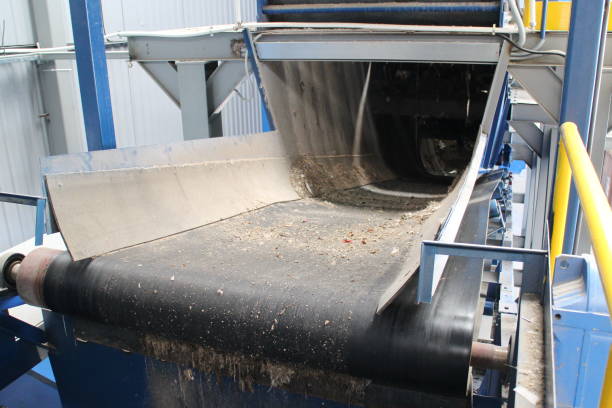
Structural advantages under high load conditions.
One key advantage of a Nylon conveyor belt is its ability to distribute tensile forces and impact loads effectively through its fabric carcass. In bulk handling or port loading operations, materials often fall from height and create strong impact forces. If the belt structure is not stable, problems such as ply separation or local deformation can occur.
Nylon fabric offers high tensile strength and good elastic recovery. Under heavy loads, it helps reduce stress concentration and slows down structural fatigue. As a result, the belt can maintain stable operation even in demanding conditions, reducing the risk of unexpected downtime caused by belt failure.
In actual production, we match belt ply numbers, strength ratings, and overall structure based on load level and conveying distance, ensuring reliable performance in heavy-duty applications.
Suitable for continuous operation and frequent start-stop cycles.
Automated logistics centers and sorting systems often require conveyors to operate with frequent starts and stops over long periods. Nylon materials naturally provide good flexibility, allowing the belt to handle repeated bending and tension without permanent deformation.
For these applications, our nylon belts are designed to balance load capacity with running stability, making them suitable for systems that combine continuous operation with frequent start-stop cycles.
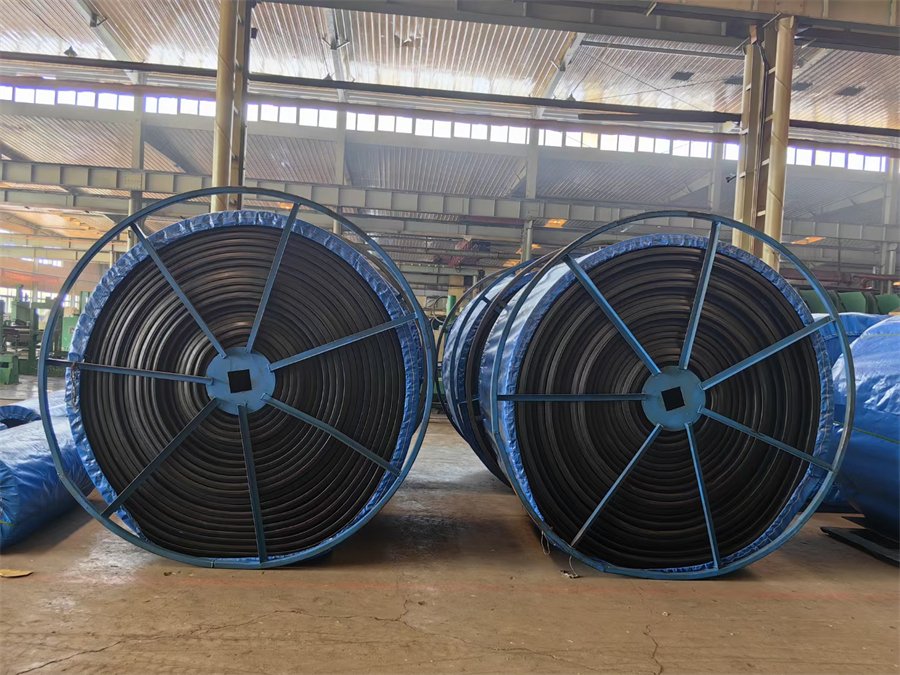
Helping bulk buyers control long-term operating costs.
For bulk purchasers, belt selection is not just about unit price. Service life, maintenance frequency, and replacement predictability are equally important. In real-world use, a Nylon conveyor belt tends to wear evenly and is less likely to fail suddenly, which helps reduce unplanned belt replacements.
In port logistics and large industrial systems, stable belt performance means fewer shutdowns and lower overall maintenance costs. Based on actual project conditions, we provide nylon belt solutions designed for long-term, stable operation—helping customers control costs while maintaining reliable conveying performance.