


Reduce Maintenance Costs: Usage and Care Tips for Heavy Nylon Conveyor Belts
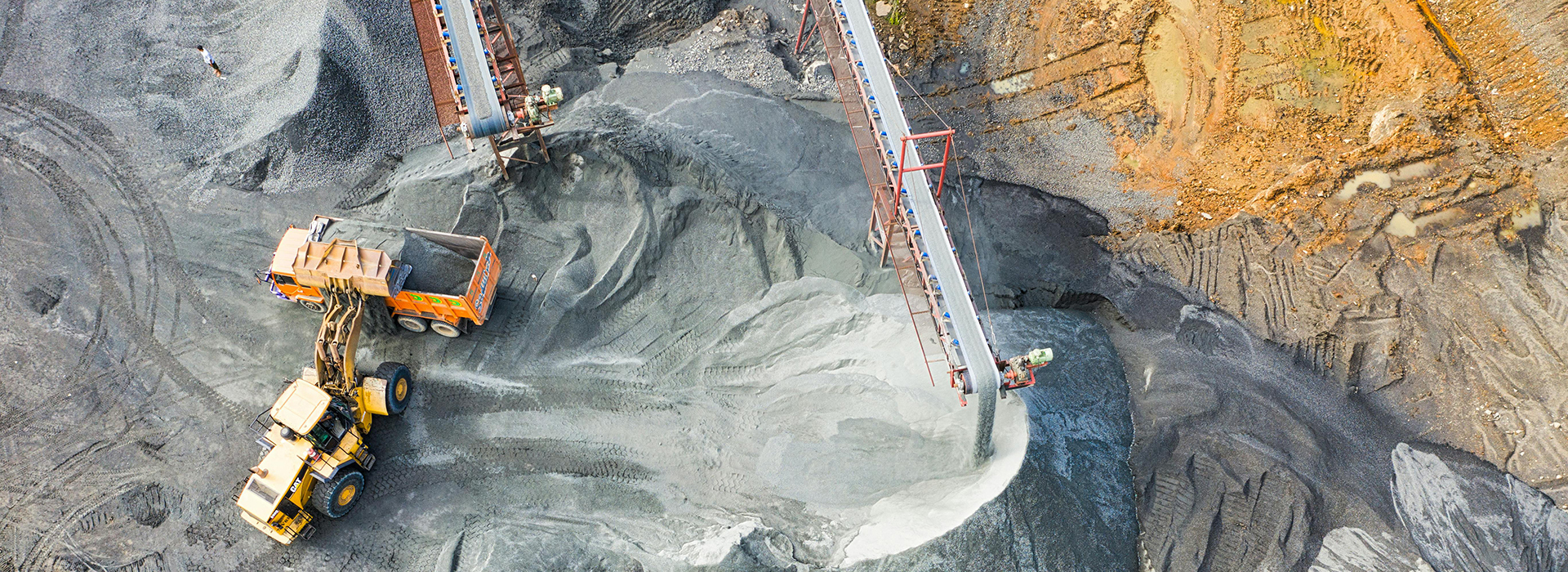
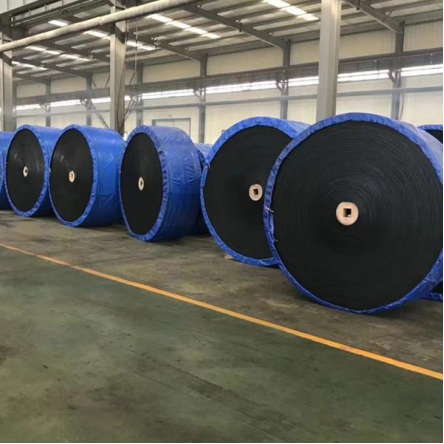
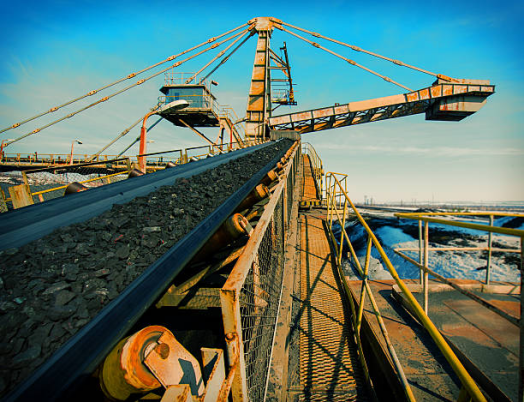
2026-01-16 08:38Heavy nylon conveyor belts are a key part of material handling systems in mining, ports, and building materials industries. Built with multiple layers of high-strength nylon fabric and covered with abrasion-resistant rubber, a heavyweight conveyor belt can handle heavy loads, strong impact, and a wide range of conveying conditions.
However, without proper use and maintenance, frequent downtime, repairs, and belt replacement can quickly drive up operating costs. Understanding how to use and care for these belts correctly is essential for long-term cost control.
Reference Strength Specifications for Heavy Nylon Conveyor Belts:
The total strength of a heavy nylon conveyor belt mainly depends on the number of fabric plies used.
| Grade | Single-Ply Strength (N/mm) | Typical Plies | Total Tensile Strength (N/mm) | Typical Applications | Recommended Cover Thickness (Top/Bottom mm) |
| NN100 | 100 | 3–6 | 300–600 | Medium load, short-distance conveying | 4–6 / 1.5–3 |
| NN200 | 200 | 4–8 | 800–1600 | Heavy mining, port handling | 6–8 / 3–4 |
| NN300 | 300 | 4–6 | 1200–1800 | High-impact metallurgy, building materials | 8–10 / 3–5 |
| NN400 | 400 | 4–6 | 1600–2400 | Extreme load, long-distance conveying | 8–12 / 4–6 |
| NN500 | 500 | 5–8 | 2500–4000 | Large mines, heavy ore transport | 10–12 / 4–6 |
Hengyi products cover all mainstream specifications. With strong inter-ply adhesion, their actual service life can be 20–50% longer than standard belts.
Improper Use Is the Main Cause of High Maintenance Costs:
Many belt failures are caused by incorrect operation rather than material defects. The following practices can significantly reduce risk:
Avoid overloading and heavy impact: Control material weight carefully. Feed material in the belt’s running direction, use chutes to reduce drop height, and install impact idlers where needed.
Prevent belt misalignment: Regularly check idler and pulley alignment, adjust belt tension, and ensure material is centered. Off-center loading accelerates edge wear.
Control startup conditions: Avoid starting the belt under full load to reduce sudden shock to the system.
Match the environment: In corrosive conditions, choose covers with oil-resistant or acid/alkali-resistant properties.
Correct operation alone can reduce more than 80% of unexpected belt damage.
Maintenance Tips:
| Maintenance Interval | Inspection / Action | Expected Benefit |
| Daily | Clean belt surface, remove buildup; check tracking and abnormal noise | Prevent wear, reduce downtime |
| Weekly | Check belt tension and idler rotation; lubricate bearings | Reduce friction, extend bearing life |
| Monthly | Inspect wear and cracks; check pulley alignment | Detect issues early, avoid belt failure |
| Quarterly | Deep cleaning; inspect splices and overall structure | Extend belt life by 20–30% |
| Annually | Professional testing (tensile and aging evaluation) | Plan replacements and control overhaul costs |
Long-Term Value Through Proper Use:
A heavyweight conveyor belt plays a vital role in keeping heavy industries running efficiently. With proper operation and preventive maintenance, belt service life can be significantly extended while maintenance costs are kept under control.
Hengyi heavy nylon conveyor belts combine durable nylon fabric with abrasion-resistant rubber, offering high load capacity, strong impact resistance, and good corrosion resistance. The materials are environmentally friendly and safe for long-term industrial use.
If you’re looking for a reliable heavyweight conveyor belt solution or need advice on maintenance and selection, feel free to contact us for customized recommendations and technical support.