

High-Temperature Conveyor Belt Guide: Handling Materials Over 400°C
2026-01-08 11:34High-Temperature Conveyor Belt Guide: Handling Materials Over 400°C Safely and Efficiently
Transporting hot clinker, cement, or sinter ore? Learn the chemistry behind EPDM vs. SBR belts and how to choose the right ISO 4195 class (T1, T2, T3) to prevent failure.
Heat is the natural enemy of rubber. In cement plants, steel mills, and foundries, transporting materials like sinter ore, coke, or clinker poses a unique challenge. Standard conveyor belts begin to degrade at temperatures as low as 60°C. When exposed to 400°C loads, they can harden, crack, and fail catastrophically within weeks.
This phenomenon, called "heat aging," requires advanced chemical engineering to solve. Here is your guide to choosing the right heat-resistant belt in 2025.
1. Decoding ISO 4195 Heat Resistance Classes
When inquiring about belts, "heat resistant" is too vague. You must specify the temperature of the material versus the ambient environment.
Class T1
Max 100°C
For basic hot materials like warm ash or chemicals.
Class T2
Max 125°C
The industry standard for general industrial heat applications.
Class T3
Max 150°C (Spikes to 400°C)
Heavy-duty choice for cement clinker and steel sinter.
2. The Chemistry: SBR vs. EPDM
Traditionally, SBR rubber was used for heat resistance. However, at [Your Company Name], we have shifted to EPDM (Ethylene Propylene Diene Monomer) for our premium high-temp lines.
-
Resistance to "Popcorning": Popcorning happens when moisture trapped in the belt turns to steam, blasting holes in the cover. EPDM minimizes this risk.
-
Life Span: Internal testing shows EPDM belts last 30-50% longer than SBR in clinker transport.
3. Pro Tip: Lump Size Matters
Fines are hotter than lumps. A large rock of clinker might be 200°C on the surface but cooler inside. However, a layer of fine dust traps heat against the belt surface like a blanket. If you are conveying fines, always upgrade to the next higher heat class.
4. Real-World Application: Steel Mill Sinter Plant
A client in the steel industry approached us with a belt that was cracking every 3 months. We identified that the sinter ore temperature spiked to 350°C.
The Fix: We installed our Super-Heat T3 EPDM Belt.
The Result: The belt life extended to 12 months, drastically reducing maintenance shutdowns.
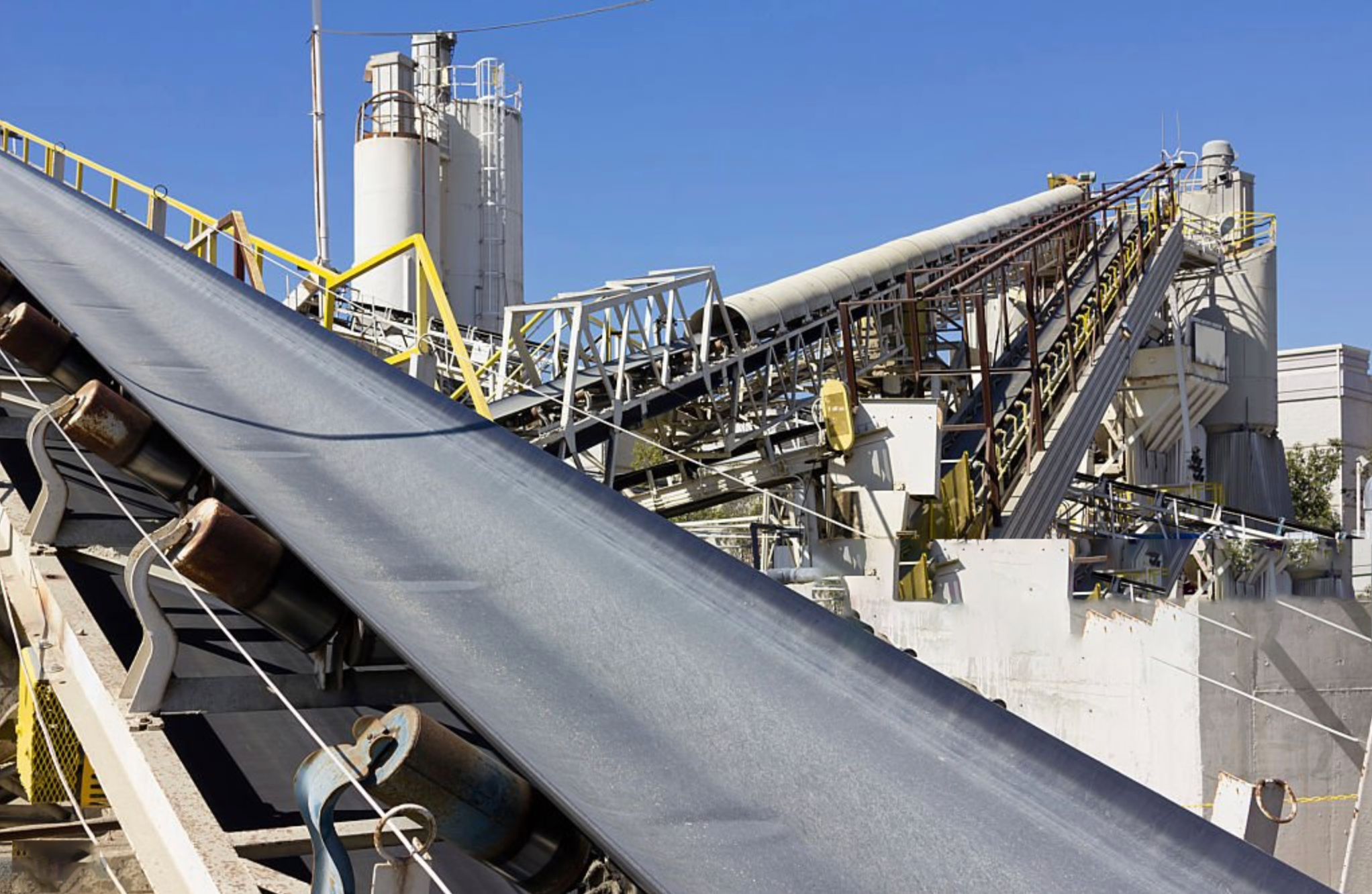
We manufacture various types of conveyor belts that meet different standards, specifically designed for industrial use, with strict quality control to enhance practical application performance.
Don't let heat destroy your operations.
Ensure you are using the correct chemical compound for your temperature range.
Request High-Temp Belt Samples