


- Home
- >
News
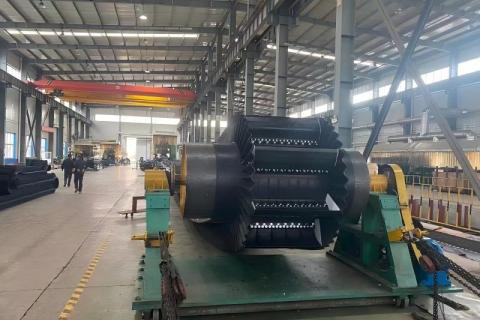
Conveyor belt misalignment is a prevalent issue in mining, ports, and other industrial sites, causing wear, spillage and safety hazards, with blind adjustments often failing to resolve it. Root causes include uneven tension, faulty installations, off-center loading, material buildup, belt wear or poor splices. This guide details targeted fixes: balance tension, realign pulleys, adjust idler frames, clean buildup, optimize loading, and inspect belts/splices. Splice quality impacts tracking, too. Systematic diagnosis of belt behavior and key components resolves most on-site misalignment issues, ensuring safe, efficient conveyor operation.
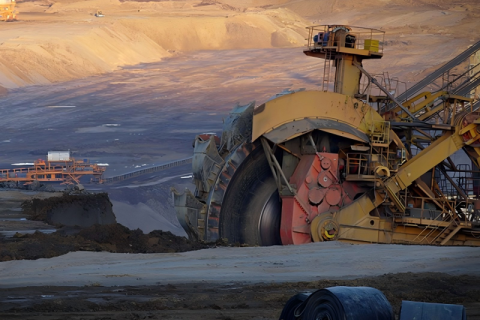
Selecting the right conveyor belt for mining is crucial for productivity, safety, and cost control. Many operational issues stem from mismatched belt specifications rather than poor quality. Key considerations include understanding the material being conveyed—such as coal, ore, or crushed stone—and its characteristics, including particle size and impact. Environmental factors like underground or open-pit settings, moisture, dust, and temperature also influence belt performance. Matching the belt structure to the conveyor system is essential. This involves choosing between steel cord or fabric carcasses, selecting the appropriate tensile strength based on distance and lift, and determining cover thickness for abrasion and impact resistance. Special properties like fire resistance (required underground), abrasion resistance, and heat resistance should also be evaluated. Finally, conveyor layout, installation quality, splicing, and regular maintenance significantly affect belt life. Hengyi provides abrasion-resistant and fire-resistant mining belts compliant with international standards, ensuring reliable performance across diverse mining applications.